

Frequent Headaches: Brain Problem or Normal?
Posted by Dr Akhilesh Kumar | Neurosurgeon in Lucknow
We have all been there. You are working on a project, studying for an exam, or just enjoying a sunny day when suddenly—throb, throb, throb—a headache strikes. You might reach for a glass of water or a painkiller and hope it goes away.
But what if the headaches keep coming back? What if they happen every week, or even every day?
The big question many people ask is: “Is my headache just a normal part of life, or is it a sign of a serious brain problem?”
In this blog, we will break down everything you need to know about headaches in simple language. We will explore when to relax and when to visit the Best Neurosurgeon in Lucknow, Dr Akhilesh Kumar, for a check-up.
What Exactly is a Headache?
Even though it feels like your brain is hurting, the brain itself cannot feel pain. It doesn’t have pain receptors! A headache actually comes from the tissues, nerves, and blood vessels surrounding the brain and the skull.
When these tissues get irritated or inflamed, they send pain signals to your brain. This can happen for many reasons, ranging from skipping lunch to serious medical conditions.
When is a Headache Considered “Normal”?
Most headaches are “Primary Headaches.” This means the headache is the main problem, not a symptom of another disease. Here are the most common “normal” types:
A. Tension Headaches
This is the most common type. It feels like a tight band is squeezed around your forehead.
-
Causes: Stress, bad posture, looking at a computer screen for too long, or lack of sleep.
-
Feeling: A dull, steady ache on both sides of the head.
B. Dehydration Headaches
Did you drink enough water today? When your body is low on fluids, the brain can temporarily shrink or pull away from the skull, causing pain.
-
Solution: Drink water, and the pain usually vanishes in an hour.
C. Hunger Headaches
If you skip a meal, your blood sugar drops. This can cause your brain’s blood vessels to tighten, leading to a headache.
Understanding Migraines: More Than Just a Headache

If your headache is severe and makes it hard to work, it might be a migraine. Migraines are not “normal” headaches; they are a neurological condition.
Symptoms of a Migraine:
-
Throbbing pain usually on one side of the head.
-
Nausea or vomiting.
-
Sensitivity to light and sound (you want to stay in a dark, quiet room).
-
Seeing “auras” (flashing lights or zig-zag lines) before the pain starts.
If you suffer from these regularly, you should look for professional Migraine Treatment in Lucknow. Managing migraines early can prevent them from becoming chronic and ruining your quality of life.
When is a Headache a “Brain Problem”? (The Red Flags)
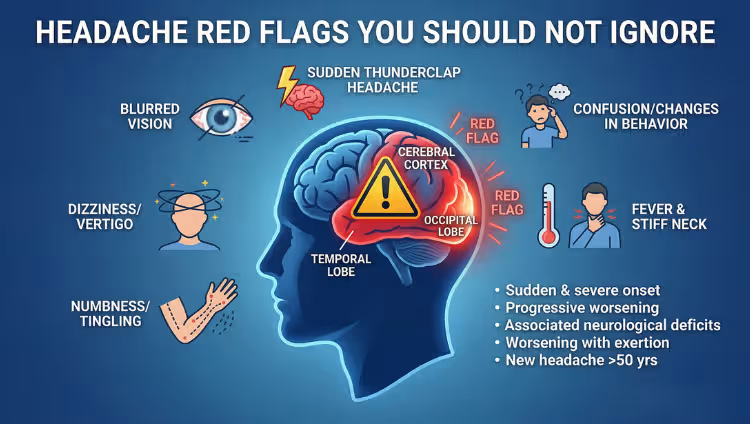
Sometimes, a headache is a “Secondary Headache.” This means it is a warning sign of something else happening in the body or brain. You should seek medical help immediately if you experience any of the following “Red Flags”:
-
The “Thunderclap” Headache: A sudden, agonizing pain that feels like the worst headache of your life, reaching maximum intensity in seconds.
-
Neurological Changes: If the headache comes with weakness in your arms or legs, slurred speech, or blurred vision.
-
Personality Changes: If a person starts acting confused or has sudden mood swings along with a headache.
-
Fevers and Stiff Neck: This could be a sign of an infection like meningitis.
-
Headache After Injury: If you hit your head and start getting headaches days or weeks later.
-
Worsening Over Time: A headache that gets worse every day and doesn’t respond to medicine.
In such cases, consulting the Best Neurosurgeon in Lucknow-Dr Akhilesh Kumar is the safest step to rule out serious issues like tumors or internal bleeding.
Serious Conditions Related to Frequent Headaches
While most headaches are harmless, doctors look for specific “brain problems” when a patient reports chronic pain:
Brain Tumors
A tumor creates pressure inside the skull. These headaches are often worse in the morning and might get better after vomiting.
Aneurysms
This is a weak spot in a blood vessel that bulges out. If it leaks or bursts, it causes a life-threatening headache.
Congenital Issues
Some people are born with structural problems in their brains or spines. If you are looking for a specialist, you should consult a Congenital Brain and Spine Problems Doctor in Lucknow to see if the shape of your skull or spine is causing the pressure.
High Blood Pressure
Extremely high blood pressure can cause a “hypertensive crisis,” leading to a pounding headache.
Step-by-Step: How to Identify Your Headache Type
If you are worried, follow these steps to help your doctor understand your pain:
-
Step 1: Keep a Headache Diary. Write down when the pain starts, what you ate, how much you slept, and where exactly it hurts.
-
Step 2: Note the Triggers. Does the pain start after eating chocolate? After a long day at the office? This helps identify if it is a Migraine or a tension headache.
-
Step 3: Check for Physical Symptoms. Do you feel dizzy? Is your vision blurry?
-
Step 4: Assess the Frequency. Is it once a month (usually normal) or four times a week (needs a doctor)?
-
Step 5: Seek Professional Advice. If the patterns are irregular, book an appointment with a specialist.
Why You Should Not Ignore Chronic Pain
Many people simply “live with it” by taking over-the-counter painkillers every day. This is dangerous because:
-
Rebound Headaches: Taking too much medicine can actually cause more headaches.
-
Delayed Diagnosis: You might be masking a serious condition that could have been treated easily if caught early.
-
Quality of Life: Constant pain leads to irritability, depression, and poor performance at school or work.
For residents of Uttar Pradesh, getting an expert opinion from a neurosurgeon in Lucknow can provide peace of mind and a proper treatment plan.
Lifestyle Tips to Reduce Headaches
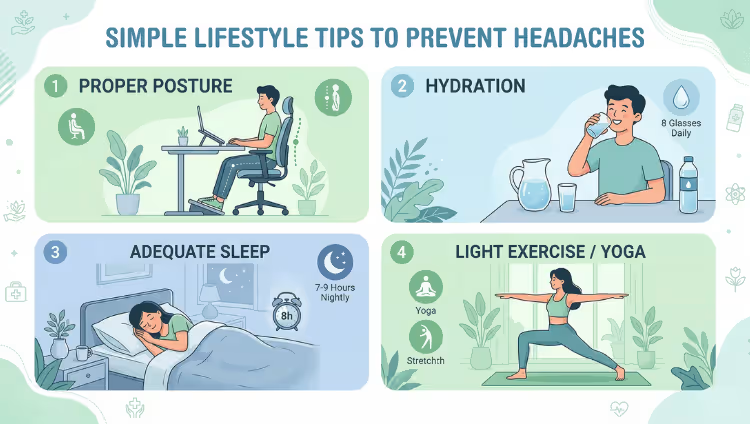
Before jumping to the worst-case scenario, try these simple lifestyle changes:
-
Fix Your Sleep Cycle: Go to bed and wake up at the same time every day.
-
Stay Hydrated: Drink at least 8-10 glasses of water daily.
-
Posture Matters: If you sit at a desk, keep your back straight and your monitor at eye level.
-
Manage Stress: Try deep breathing exercises or yoga.
-
Limit Caffeine: Too much tea or coffee can trigger headaches in many people.
How Do Doctors Diagnose the Problem?
When you visit a specialist for Brain Tumor Symptoms or general brain health, they may use several tools:
-
Physical Exam: Checking your reflexes, vision, and coordination.
-
MRI or CT Scan: These “take a picture” of your brain to see if there are any tumors, bleeding, or structural issues.
-
Lumbar Puncture: If an infection is suspected, the doctor might check the fluid around your spine.
-
Blood Tests: To check for infections or chemical imbalances.
If the problem is related to birth defects, a Congenital Brain and Spine Problems Doctor in Lucknow will look specifically at the alignment of the brain stem and spinal cord.
Frequently Asked Questions (FAQs)
Q1. Is it normal to have a headache every day?
No, having a headache every day is not “normal.” While it might be caused by chronic stress or eye strain, it is important to see a doctor to rule out chronic migraines or underlying brain pressure.
Q2. Can a neck problem cause a headache?
Yes! Problems in the neck (cervical spine) can cause “Cervicogenic headaches.” These often feel like they are starting from the base of the skull and moving forward.
Q3. When should I see a Neurosurgeon instead of a general doctor?
You should see the Best Neurosurgeon in Lucknow if your headaches are accompanied by seizures, loss of consciousness, weakness in limbs, or if a scan shows a structural issue in the brain.
Q4. Are migraines curable?
While there isn’t a “one-time cure” for migraines, they are highly manageable. With the right Migraine Treatment in Lucknow, you can reduce the frequency and severity of attacks significantly.
Q5. Can children get serious headaches?
Yes, children can experience headaches too. If a child has frequent headaches, it is best to consult a Congenital Brain and Spine Problems Doctor in Lucknow to ensure there are no developmental or structural issues.
Q6. Does looking at a phone cause brain problems?
Looking at a phone doesn’t usually cause “brain problems,” but it causes “Tech Neck” and eye strain, which are leading causes of frequent tension headaches.
Conclusion
Most headaches are your body’s way of saying you are tired, stressed, or thirsty. However, frequent and severe pain is your body’s alarm system. You don’t have to suffer in silence or live in fear of a “brain problem.”
Whether you need lifestyle advice, Migraine Treatment in Lucknow, or a consultation for complex issues with a Congenital Brain and Spine Problems Doctor in Lucknow, help is available.
Don’t ignore the signs. If your headaches are changing or becoming more frequent, take the first step toward a pain-free life today.
Consult the Expert Today!
Are you or a loved one suffering from frequent, unexplained headaches? Get the best care from the Best Neurosurgeon in Lucknow, Dr Akhilesh Kumar.
Specializing in both routine and complex brain and spine surgeries, Dr. Kumar provides comprehensive diagnosis and treatment for all neurological concerns.
Contact us today to book your appointment and get back to living your life headache-free!
