Posted by Dr Akhilesh Kumar, Best Neurosurgeon in Lucknow
As a doctor who treats the brain, I see many patients after a stroke. These families often feel scared and confused. The most common question they ask is: “Could we have stopped this?”
I always tell them that stroke prevention is possible. In fact, most strokes happen because of things we can change. A stroke is like a “brain attack.” It happens when the brain does not get enough blood. But if we take care of our blood vessels now, we can protect our future.
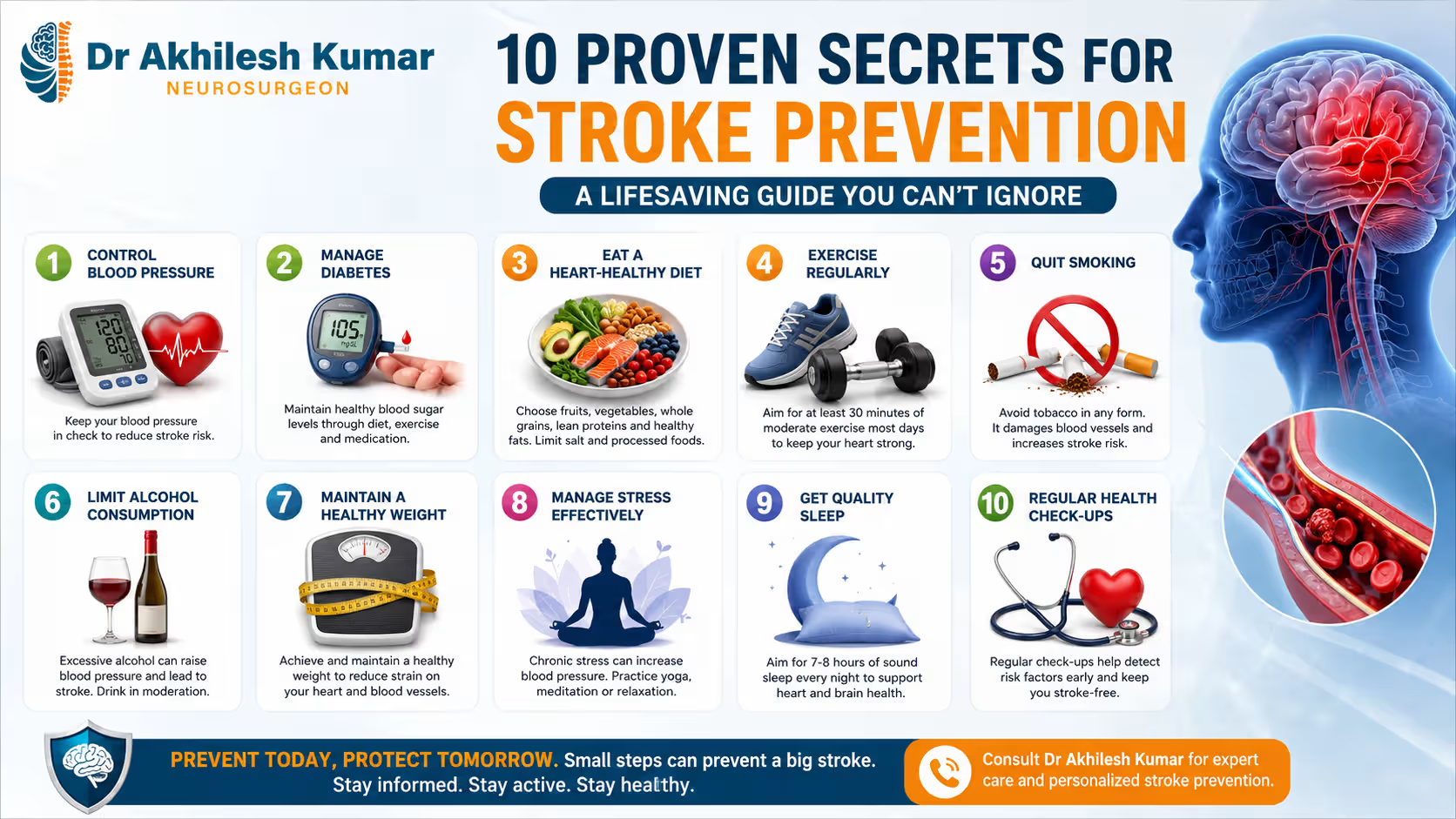
In this guide, I will share the 10 most important tips to keep your brain safe. These are the same tips I give my own patients every day.
Table of Contents
-
What Is a Stroke?
-
Why Stroke Prevention Matters More Than Ever
-
Know the Early Warning Signs of Stroke
-
Control High Blood Pressure
-
Diabetes and Stroke Risk
-
Why Smoking and Alcohol are Dangerous
-
Can Diet and Exercise Help?
-
Sleep, Stress, and Your Brain
-
Medicines That Help
-
Can You Stop a Stroke at Home?
-
Tips for Older Adults
-
When to See a Neurologist
-
FAQs
What Is a Stroke?
A stroke happens when blood stops flowing to a part of your brain. Blood carries oxygen. Without oxygen, brain cells start to die very quickly.
There are two main types:
-
Ischemic Stroke: A tiny clot blocks a blood vessel. This is the most common type.
-
Hemorrhagic Stroke: A blood vessel breaks and bleeds into the brain.
-
Mini-Stroke (TIA): This is a temporary block. It is a big warning sign that a larger stroke is coming soon.
Because brain cells die fast, every second counts. Doctors say “Time is Brain.” The sooner you get help, the better your chances are.
Why Stroke Prevention Matters More Than Ever
Today, more people are having strokes at a younger age. This is often because we are less active and eat more junk food. A stroke can change your life in a second. It can make it hard to walk, talk, or eat.
However, stroke prevention is much easier than recovering from a stroke. If you live in a big city, you might look for a brain surgeon in Lucknow. But the best treatment is to never have a stroke in the first place. You can keep your brain healthy by making small changes today.
Know the Early Warning Signs of Stroke
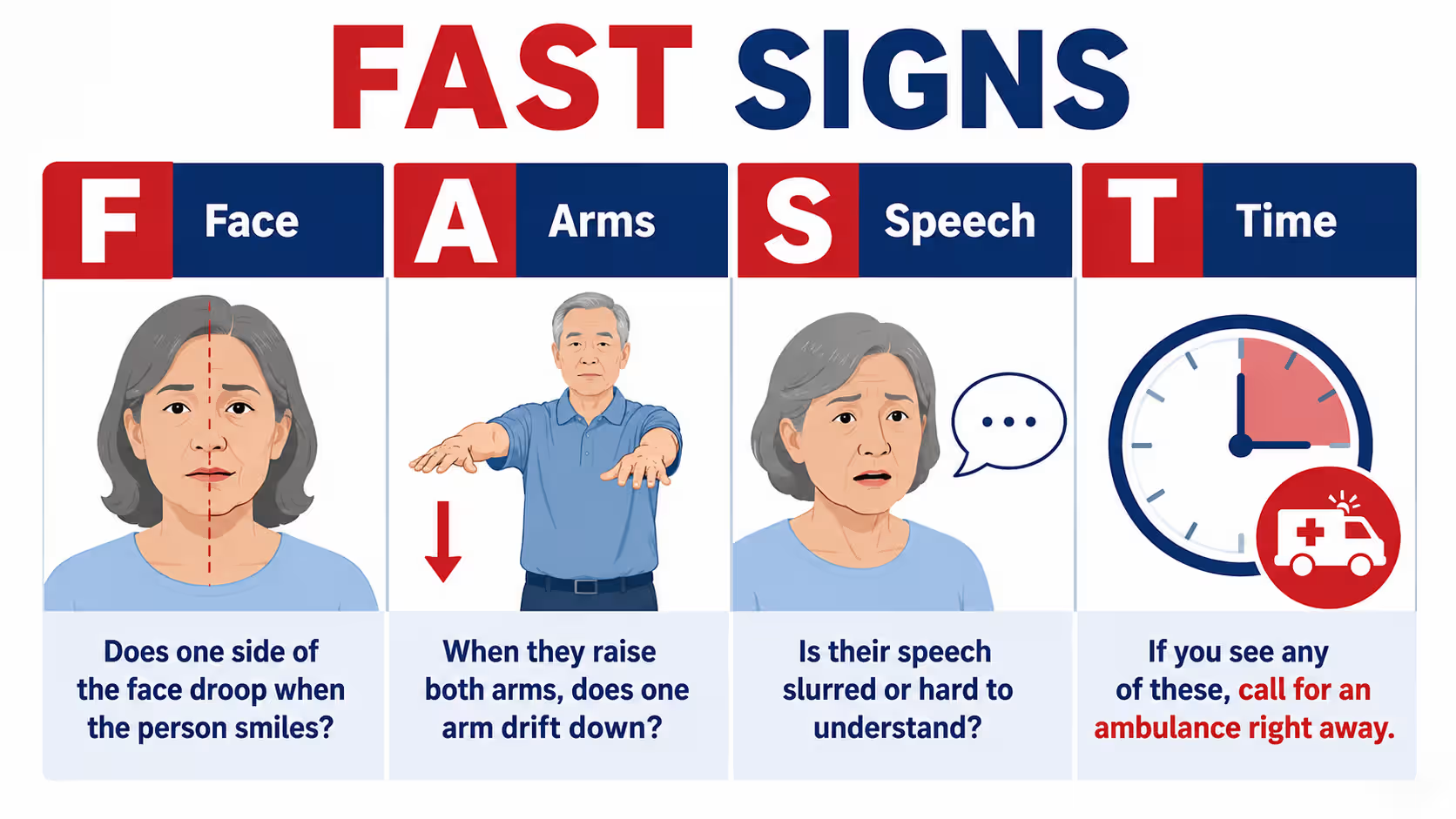
You must know how to spot a stroke. If you see these signs, you can save a life. We use the word FAST to help you remember:
-
F – Face: Does one side of the face droop when the person smiles?
-
A – Arms: When they raise both arms, does one arm drift down?
-
S – Speech: Is their speech slurred or hard to understand?
-
T – Time: If you see any of these, call for an ambulance right away.
Other signs include sudden confusion, a very bad headache, or feeling dizzy all of a sudden.
Major Stroke Risk Factors
Some things you can control, and some you cannot. Look at this table to see where you can make a change.
| Risks You Can Control | Risks You Cannot Control |
| High blood pressure | Your age (risk goes up as you get older) |
| Smoking and vaping | Family history (if your parents had a stroke) |
| Diabetes | Your genes |
| Being very overweight | Having a stroke in the past |
| High cholesterol | Being a man or a woman |
If you have these risks, don’t worry. You can work with a doctor to lower them.
Control High Blood Pressure
High blood pressure is the biggest cause of stroke. It is often called a “silent killer.” This is because you usually cannot feel it. Over time, high pressure makes your blood vessels weak. They might burst or get clogged.
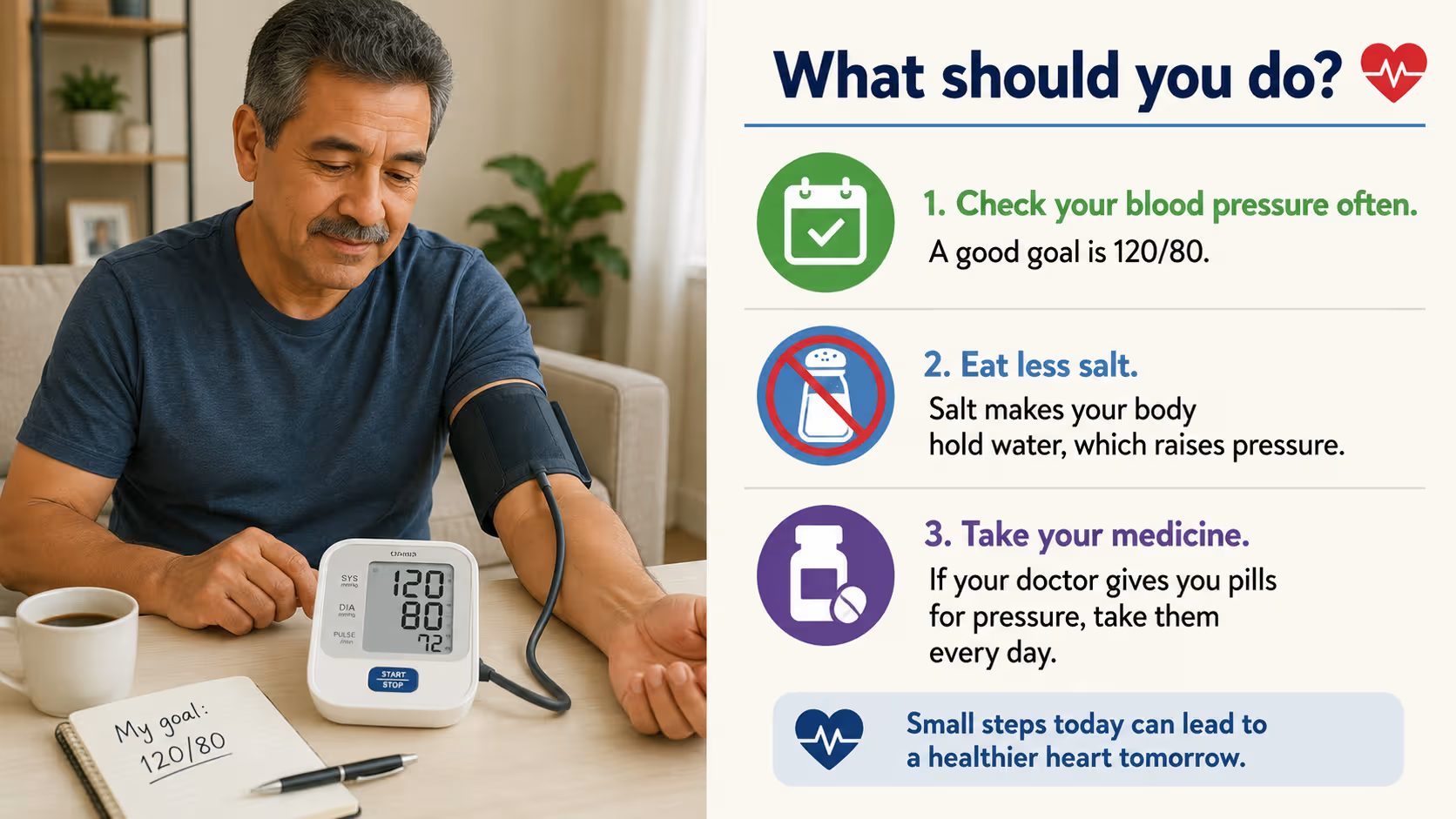
What should you do?
-
Check your blood pressure often. A good goal is 120/80.
-
Eat less salt. Salt makes your body hold water, which raises pressure.
-
Take your medicine. If your doctor gives you pills for pressure, take them every day.
Patients looking for Stroke treatment in Lucknow often find that managing blood pressure is the first thing we fix. It is the best way to keep the brain safe.
Diabetes and Stroke Risk
If you have high blood sugar, your risk of stroke goes up. This is because sugar can damage your blood vessels. Damaged vessels are more likely to get blocked by clots.
Many people with diabetes also have high cholesterol. This makes the risk even higher. To stay safe, you should check your blood sugar every day. Try to eat foods that do not cause sugar spikes, like vegetables and whole grains.
Why Smoking and Alcohol Increase Stroke Risk
Smoking is very bad for your brain. It makes your blood thicker. It also makes “gunk” (plaque) build up in your pipes. This makes it very easy for a clot to form.
Alcohol is also a risk. Drinking too much can raise your blood pressure suddenly. This can cause a vessel in the brain to break. If you stop smoking today, your risk starts to drop almost immediately.
Can Diet and Exercise Help?
Yes! Diet and exercise are keys to stroke prevention. You do not need to do anything too hard.
-
Exercise: Walk briskly for 30 minutes most days. This keeps your heart strong and your vessels clear.
-
Diet: Eat more fruits and vegetables. Try to eat fish instead of red meat. Use less oil when you cook.
-
Weight: Losing even a few kilograms can lower your blood pressure and help your heart.
Sleep, Stress, and Your Brain
Your brain needs rest to stay healthy. If you do not sleep well, your blood pressure can stay high all night.
-
Sleep Apnea: If you snore loudly or stop breathing in your sleep, see a doctor. This is a major stroke risk.
-
Stress: When you are very stressed, your body stays in a “high alert” mode. This is hard on your heart. Try to take deep breaths or meditate to stay calm.
Medicines That Help
Sometimes, diet and exercise are not enough. Your doctor might give you medicine to help.
-
Blood thinners: These stop clots from forming.
-
Cholesterol pills: These keep your “pipes” clean.
-
Blood pressure pills: These keep the pressure at a safe level.
Important: Never share your medicine or stop taking it without asking your doctor first. Self-medicating is very dangerous for the brain.
Can You Stop a Stroke in Progress?
There is a lot of wrong information online. Let’s clear up the myths.
The Truth About Stopping a Stroke:
-
Myth: You can stop a stroke by pricking your fingers with a needle.
-
Fact: This does nothing. It only wastes time while brain cells are dying.
-
Myth: Take an aspirin if you think you are having a stroke.
-
Fact: If your stroke is caused by a bleed, aspirin will make it worse. Only a doctor can tell which type you have.
-
Myth: You can stop a stroke in 30 seconds.
-
Fact: A stroke is a major emergency. It takes specialized hospital care to stop the damage.
The only way to “stop” a stroke is to get to a hospital immediately. Doctors can use special medicine to dissolve clots, but it must be done very fast.
Stroke prevention tips for older adults
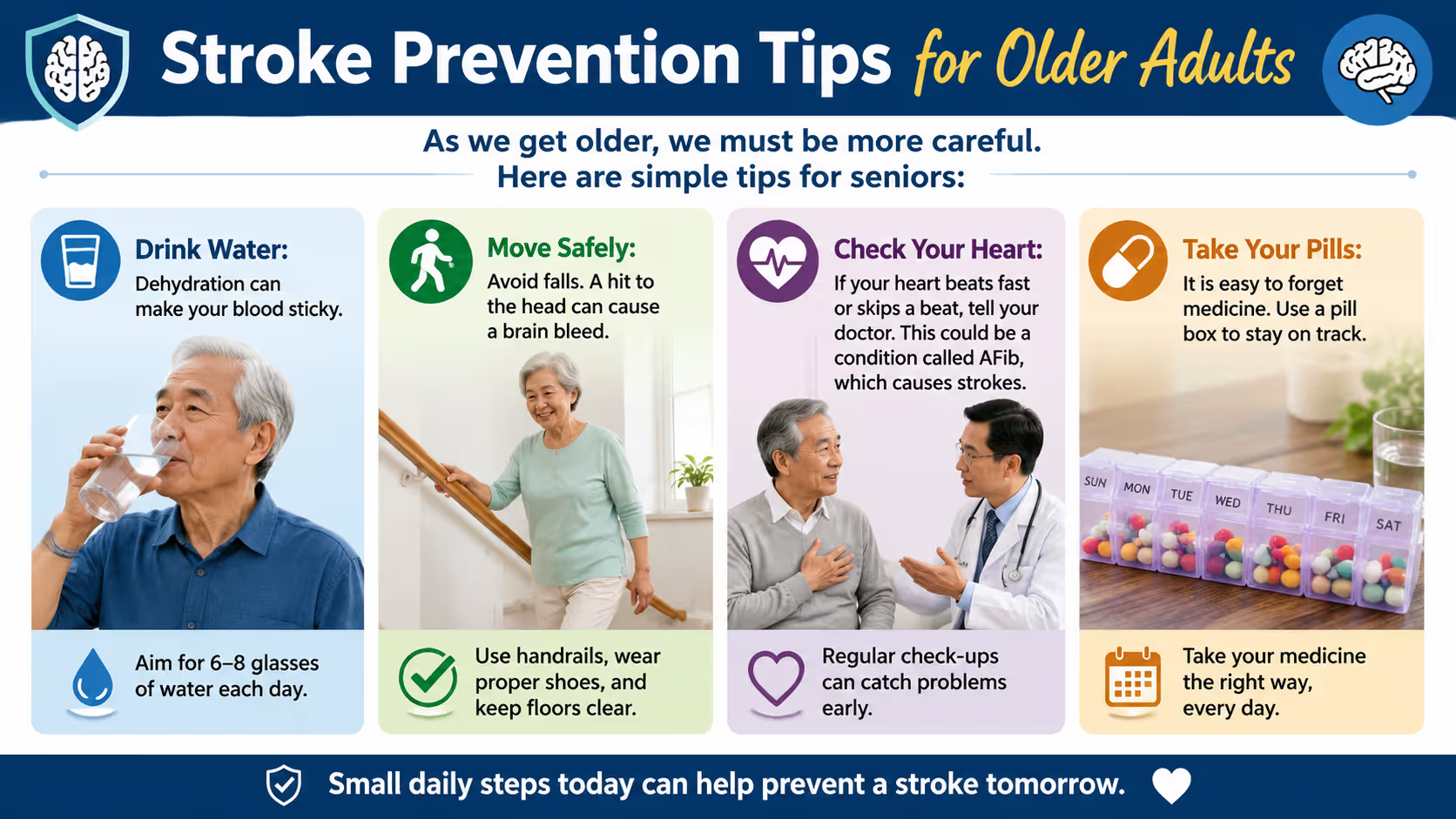
As we get older, we must be more careful. Here are simple tips for seniors:
-
Drink Water: Dehydration can make your blood sticky.
-
Move Safely: Avoid falls. A hit to the head can cause a brain bleed.
-
Check Your Heart: If your heart beats fast or skips a beat, tell your doctor. This could be a condition called AFib, which causes strokes.
-
Take Your Pills: It is easy to forget medicine. Use a pill box to stay on track.
When to See a Neurologist Immediately
You should not wait for a stroke to see a brain specialist. If you have high blood pressure or diabetes, a neurologist can help you stay safe.
See a doctor if you feel:
-
Sudden numbness in your arm or leg.
-
Dizzy for no reason.
-
A sudden change in your vision.
-
A “mini-stroke” where symptoms went away after a few minutes.
Talking to Dr. Akhilesh Kumar can help you understand your risks. He can provide expert Stroke treatment in Lucknow and give you a plan to stay healthy.
🧑⚕️ A Quick Story: The Importance of Acting Fast
I once had a patient named Mr. Khan. He felt his left hand go weak while drinking tea. He thought he was just tired. Luckily, his daughter saw his face droop. She knew the FAST signs and brought him to the hospital in 20 minutes.
Because he came so fast, we were able to give him medicine to dissolve the clot. He went home two days later with no disability. This happened because his family knew the signs. Awareness is the best medicine.
Stroke Myths vs. Facts
| Myth | Fact |
| Strokes only happen to the elderly. | Young adults and even children can have strokes. |
| A stroke always hurts. | Many strokes are painless. You might feel weak. |
| You can treat a stroke at home. | You must go to a hospital—every minute matters. |
| You can’t recover from a stroke. | With early care and therapy, many people get better. |
FAQs
1. What is the best way for stroke prevention at home?
The best way is to eat less salt and walk every day. Also, make sure you take your blood pressure medicine.
2. Can I stop a stroke in 30 seconds?
No. If a stroke starts, you need a hospital. No home cure works that fast.
3. What should I drink to help?
Water is best. Green tea can also help keep your vessels healthy. Avoid sugary drinks.
4. How can I tell if a stroke is coming?
Look for the FAST signs: face drooping, arm weakness, or speech trouble.
5. Can stress cause a stroke?
Yes. High stress can lead to high blood pressure, which is the main cause of stroke.
6. Does aspirin prevent stroke?
For some people, yes. But for others, it can cause bleeding. Always ask your doctor first.
7. Is a mini-stroke serious?
Yes! A mini-stroke is a warning. It means a big stroke could happen very soon.
8. Can exercise lower my risk?
Yes. Just 30 minutes of walking can make your blood vessels much stronger.
9. Why is smoking so bad?
It makes your blood thick and damages your artery walls. This leads to easy clotting.
10. What is the “Golden Hour”?
It is the first hour after symptoms start. Getting help during this time gives you the best chance to recover.
Take Action Today
Your brain is the most important part of your body. Protecting it starts with small choices. You can lower your risk by eating well, moving more, and watching your blood pressure.
Stroke prevention is in your hands. If you are worried about your risk, talk to a professional. You can visit Dr. Akhilesh Kumar for expert advice. He offers the best Stroke treatment in Lucknow and can help you build a plan to stay stroke-free.
Don’t wait for a warning sign. Start your journey to a healthy brain today!
