

Introduction
In the last decade, India has witnessed a digital revolution. From bustling cities like Lucknow to rural heartlands, the smartphone has become an extension of the human hand. While technology has bridged gaps in communication and commerce, it has inadvertently birthed a new physical epidemic: Tech Neck.
If you find yourself scrolling through social media or answering emails only to realize your neck feels stiff, sore, or heavy, you are not alone. Neck pain after phone use is no longer a complaint reserved for the elderly. Increasingly, teenagers and young adults are visiting clinics with symptoms traditionally seen in patients decades older. This rise in “Text Neck Syndrome” is directly linked to our posture while using mobile devices.
Understanding the relationship between your screen time and your spinal health is the first step toward prevention. In this guide, we will explore why your smartphone might be ruining your spine and how experts like Dr Akhilesh Kumar, the Best Spine Surgeon in Lucknow, approach the diagnosis and treatment of this modern-day ailment.
“Tech Neck is a repetitive strain condition caused by prolonged bending of the neck while using smartphones, tablets, or computers. Over time, poor posture can lead to neck pain, stiffness, headaches, muscle strain, and even long-term cervical spine problems.”
What Is Tech Neck?
Definition of Tech Neck
Tech Neck, also known as “Text Neck,” refers to the repetitive stress injury and pain sustained from excessive looking down at wireless devices. It is a postural deformity caused by tilting the head forward for extended periods, which puts an unnatural amount of strain on the muscles and ligaments of the cervical spine.
Why It Happens
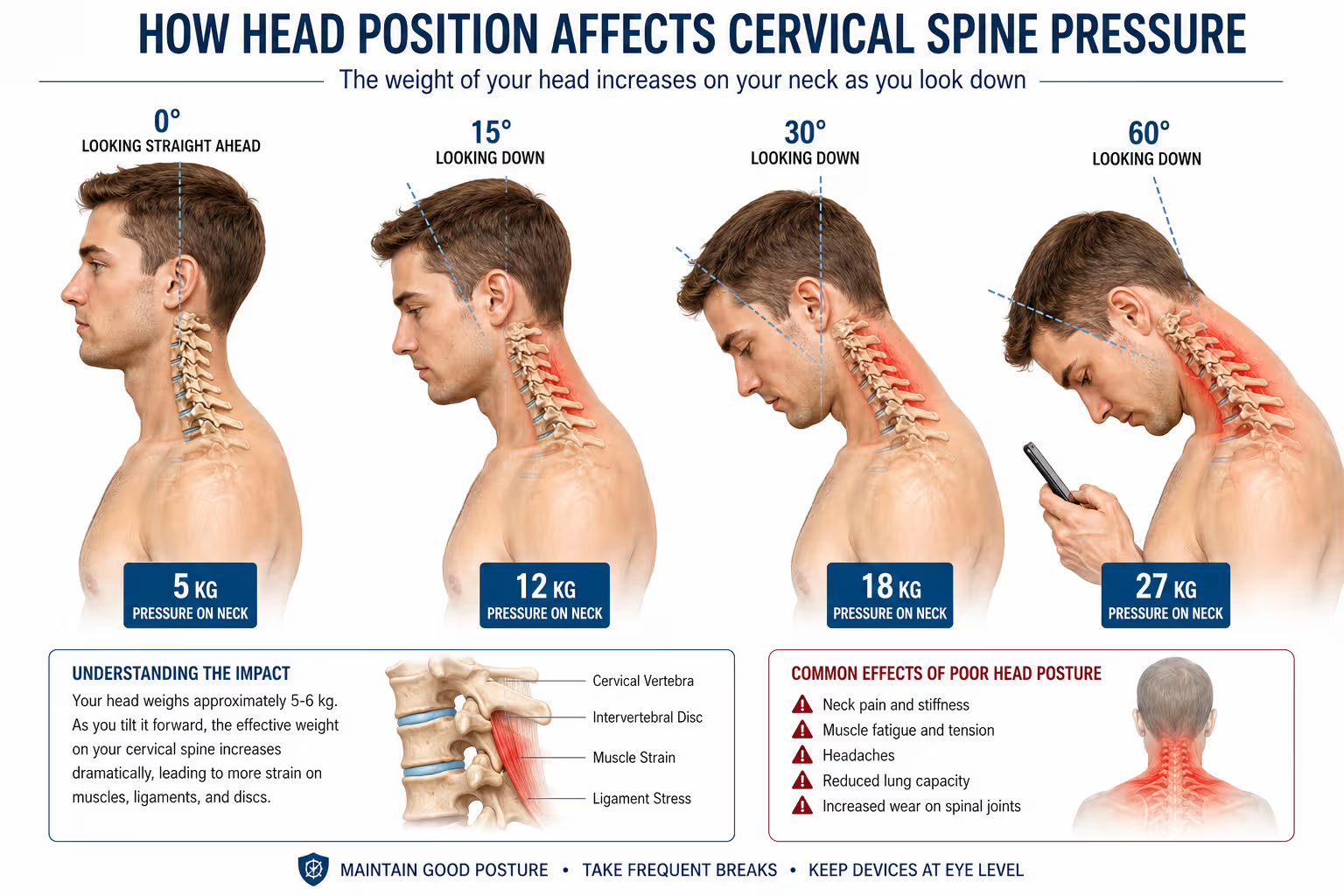
The human head weighs approximately 5 to 6 kilograms in a neutral position. However, as the neck bends forward and down, the effective weight on the cervical spine increases significantly. At a 60-degree angle—the typical angle for looking at a phone—the weight on your neck jumps to nearly 27 kilograms. Your neck muscles are simply not designed to hold that much weight for hours on end.
How Modern Technology Contributes
The design of mobile technology encourages a “heads-down” posture. Unlike desktop computers, which can be adjusted to eye level, smartphones are almost always held at chest or waist height. This forced flexion, combined with the addictive nature of social media and mobile gaming, leads to hours of continuous spinal strain.
The Science Behind Cervical Strain
The cervical spine (the neck region of your spine) consists of seven small vertebrae, discs for cushioning, and a complex web of muscles and nerves. When you lean forward, you overstretch the posterior (back) muscles and compress the anterior (front) structures. Over time, this imbalance alters the natural “C-curve” of your neck, leading to structural changes in the spine.
How Phone Use Affects Your Spine
Normal Neck Position vs. Bent Neck Position
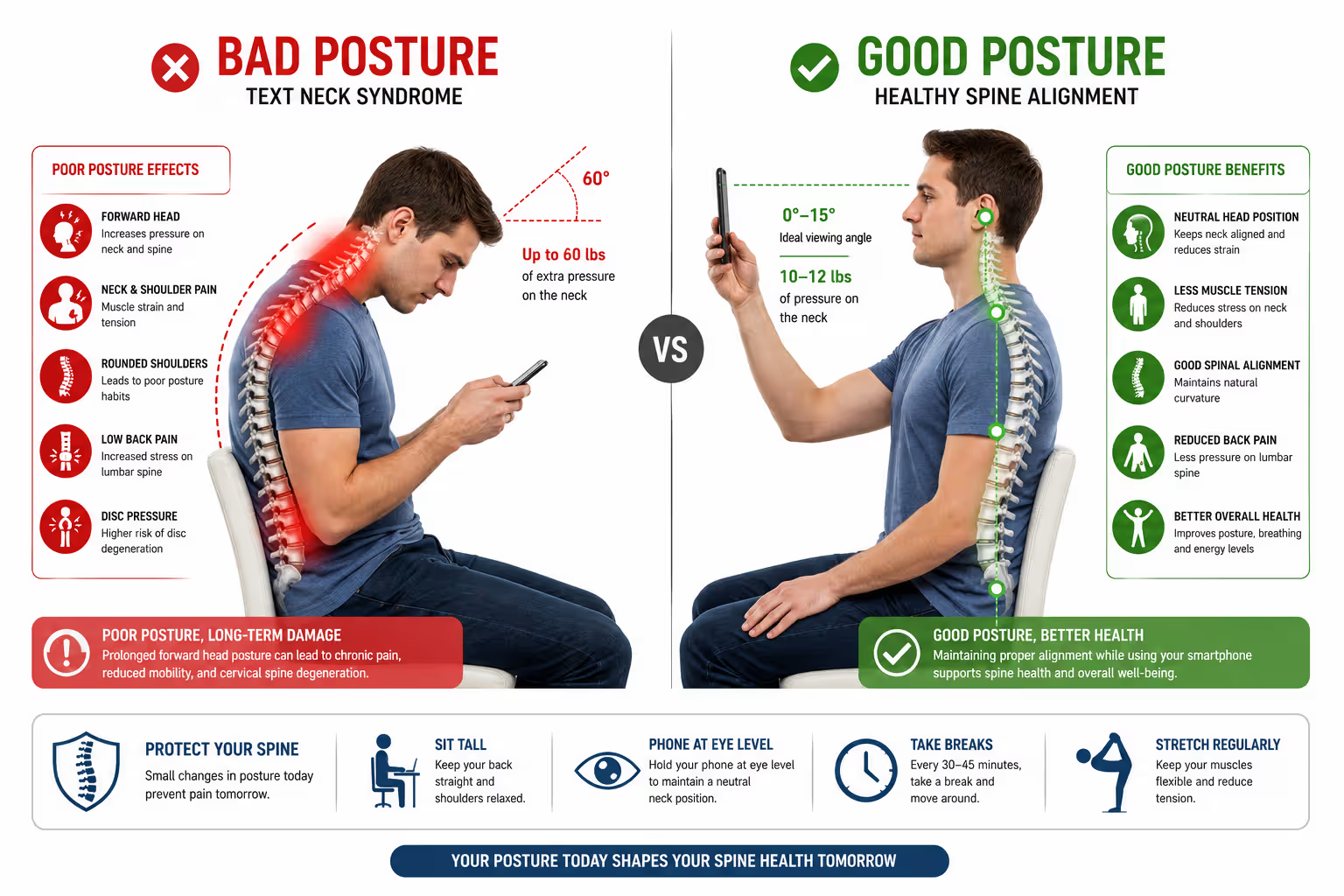
In a neutral “ears-over-shoulders” position, the spine is perfectly stacked to support the weight of the head. When you tilt your head forward, the center of gravity shifts. This shift forces the muscles in your upper back and neck to work overtime to prevent your head from falling forward, leading to chronic fatigue.
Pressure on the Cervical Spine
Prolonged bending causes the intervertebral discs to be squeezed unevenly. This internal pressure can lead to early wear and tear. Constant pressure on these discs is a primary driver for premature aging of the spine.
Muscle Fatigue and Strain
Muscles like the trapezius and levator scapulae are frequently overworked during phone use. When muscles are kept in a semi-contracted state for long periods, blood flow is restricted, leading to the buildup of lactic acid and the formation of painful “trigger points” or muscle knots.
Long-Term Postural Changes
If left unaddressed, Tech Neck can lead to a “hunchback” appearance, known clinically as kyphosis. It can also cause the shoulders to roll forward and the chest muscles to tighten, creating a permanent slouch that affects overall health and breathing capacity.
Common Symptoms of Tech Neck
Tech Neck doesn’t happen overnight. It usually begins as a dull ache and gradually evolves into more debilitating symptoms.
-
Neck Pain and Stiffness: The most common symptom is a localized ache in the back or side of the neck that feels like a “kink.”
-
Shoulder Pain: Pain often radiates into the shoulders, caused by muscle spasms in the trapezius.
-
Upper Back Pain: Intense, stabbing pain or general soreness in the upper back and shoulder blade area.
-
Headaches: Often referred to as “cervicogenic headaches,” these are caused by tension in the neck muscles radiating up to the base of the skull.
-
Reduced Neck Mobility: Difficulty turning your head from side to side or touching your chin to your chest.
-
Tingling or Numbness in Arms: If a nerve becomes compressed due to poor posture, you may feel “pins and needles” traveling down your arms into your fingers.
-
Muscle Tightness: Chronic tightness in the chest (pectorals) and weakness in the back muscles.

Warning Signs That Your Neck Pain Is Becoming Serious
While occasional stiffness is common, certain “red flags” indicate that your spine may be sustaining more significant damage. You should seek a consultation with a specialist like Dr Akhilesh Kumar if you experience:
Persistent Pain
Pain that does not resolve with rest, over-the-counter medication, or heat therapy within two weeks.
Arm Weakness
Difficulty gripping objects, dropping things frequently, or a noticeable loss of strength in your hands.
Nerve Compression Symptoms
Sharp, electric-shock-like sensations that shoot down the arm when you move your neck.
Radiating Pain
Pain that travels from the neck into the shoulder, elbow, or wrist, suggesting a possible disc bulge or herniation.
Loss of Balance
Unexplained clumsiness or difficulty walking can indicate that the spinal cord itself is being compressed (myelopathy).
Sleep Disturbance Due to Pain
If you are unable to find a comfortable position to sleep or if pain wakes you up at night, it is a sign of a highly inflammatory state in the spine.
Who Is Most at Risk for Tech Neck?
While anyone with a smartphone is vulnerable, certain groups are at higher risk:
-
Students: Heavy use of tablets for education combined with long study hours.
-
Office Workers: Those who transition from a computer screen at work to a smartphone screen during breaks.
-
Gamers: Mobile gaming involves high levels of focus, often leading to “freezing” in a poor posture for hours.
-
Remote Workers: Lack of ergonomic home setups often leads to working from couches or beds.
-
Social Media Users: The “infinite scroll” keeps users in a downward-looking position far longer than they realize.
Can Tech Neck Cause Permanent Spine Problems?
The short answer is yes. While the initial symptoms are muscular, chronic Tech Neck can lead to structural damage:
Cervical Disc Degeneration
The discs between your vertebrae act as shock absorbers. Constant strain can cause these discs to dehydrate and shrink, leading to bone-on-bone contact.
Postural Abnormalities
The “Forward Head Posture” can become a fixed deformity, making it difficult to stand up straight even when you try.
Chronic Muscle Imbalance
Some muscles become permanently shortened (tight) while others become permanently lengthened (weak), making recovery a long process.
Cervical Spondylosis
This is an age-related wear and tear of the spinal disks. However, Tech Neck is causing “early-onset spondylosis” in patients in their 20s and 30s.
Nerve Compression
Persistent inflammation and disc issues can lead to “pinched nerves,” causing chronic pain and potential loss of motor function in the hands.
How Doctors Diagnose Tech Neck
A professional diagnosis is essential to rule out other underlying conditions. When you visit Dr Akhilesh Kumar, the Best Spine Surgeon in Lucknow, the diagnostic process typically involves:
-
Medical History: A detailed discussion about your lifestyle, screen time habits, and the nature of your pain.
-
Physical Examination: Checking your range of motion, muscle strength, and looking for areas of tenderness.
-
Posture Assessment: Observing how you sit and stand to identify forward head carriage.
-
X-rays: To check the alignment of the vertebrae and look for any bone spurs or loss of the natural cervical curve.
-
MRI Scan: If nerve involvement is suspected, an MRI provides a detailed look at the discs and spinal cord.
-
Neurological Evaluation: Testing reflexes and sensations to ensure the nerves are functioning correctly.
Step-by-Step Treatment Options for Tech Neck
Treatment follows a “conservative-first” approach.
Activity Modification
The first step is to identify and change the habits that caused the pain. This includes using voice-to-text features and holding devices differently.
Posture Correction
Learning “neutral spine” mechanics is vital. This involves keeping the ears aligned with the shoulders.
Physiotherapy
A professional physical therapist can use ultrasound, TENS therapy, and manual manipulation to relieve muscle tension.
Stretching and Strengthening
A balanced exercise program is key. You must stretch the tight chest and neck muscles while strengthening the weak back and core muscles.
Pain Management
Short-term use of anti-inflammatories or muscle relaxants may be prescribed by Dr Akhilesh Kumar to break the cycle of pain and allow for physical therapy.
Advanced Treatments (When Required)
In rare cases where conservative therapy fails or there is significant nerve damage, advanced interventions like nerve blocks, epidural steroid injections, or minimally invasive surgery might be considered.
10 Practical Tips to Prevent Tech Neck
-
Hold Your Phone at Eye Level: Bring the screen to your eyes, not your eyes to the screen.
-
Take Frequent Breaks: Follow the “20-20-20” rule—every 20 minutes, look at something 20 feet away for 20 seconds.
-
Use Ergonomic Apps: Some apps alert you when your phone is tilted at a dangerous angle.
-
Improve Workstation Ergonomics: Ensure your monitor is at eye level and your chair supports your lower back.
-
Strengthen Your Core: A strong core provides a stable base for your spine.
-
Use Supportive Seating: Avoid scrolling while lying in bed or hunched on a sofa.
-
Limit Continuous Screen Time: Set timers to remind you to stand up and stretch.
-
Stay Physically Active: Regular yoga or swimming can keep the spine flexible.
-
Maintain Good Sleep Posture: Use a pillow that supports the natural curve of your neck.
-
Schedule Regular Spine Checkups: Early detection of postural shifts can prevent long-term damage.
Best Exercises for Tech Neck Relief
Note: Always consult a doctor before starting a new exercise routine.
-
Chin Tucks: Sit tall and look straight ahead. Without tilting your head down, pull your chin straight back as if making a double chin. Hold for 5 seconds. Repeat 10 times.
-
Neck Stretches: Gently tilt your ear toward your shoulder until you feel a stretch in the side of your neck.
-
Shoulder Blade Squeezes: Pull your shoulders back and down, squeezing your shoulder blades together.
-
Chest Opening Exercises: Stand in a doorway and place your forearms on the doorframe. Lean forward gently to stretch the chest muscles.
-
Posture Correction Drills: Stand with your back against a wall, ensuring your heels, buttocks, shoulders, and head all touch the wall.
Tech Neck vs. Cervical Spondylosis: What’s the Difference?
| Feature | Tech Neck | Cervical Spondylosis |
| Primary Cause | Poor posture & digital device use | Age-related wear and tear |
| Age Group | Children, Teens, & Young Adults | Usually adults over 40-50 |
| Symptoms | Muscle stiffness, focal pain | Disc pain, bone spurs, nerve issues |
| Severity | Often reversible with lifestyle changes | Degenerative and progressive |
| Treatment | Ergonomics, Exercise, PT | Medication, Injections, Surgery (if severe) |
While Tech Neck is primarily a muscular and postural issue, it is important to realize that untreated Tech Neck is a fast-track to developing Cervical Spondylosis much earlier in life.
Common Myths and Facts About Tech Neck
Myth 1: Neck Pain Is Normal With Age
Fact: While some wear is natural, debilitating neck pain is not a normal part of aging; it is often a sign of cumulative damage.
Myth 2: Only Older Adults Develop Spine Problems
Fact: Due to Tech Neck, spine clinics are seeing an influx of patients as young as 15 with spinal curvature issues.
Myth 3: Good Posture Doesn’t Matter
Fact: Posture is the foundation of spinal health. Poor posture increases the load on your spine by up to 500%.
Myth 4: Rest Alone Will Fix Everything
Fact: Rest may reduce acute pain, but without corrective exercises and habit changes, the pain will return as soon as you pick up your phone.
Myth 5: Smartphone Use Cannot Damage the Spine
Fact: Clinical studies and X-ray evidence prove that prolonged forward flexion leads to disc herniation and bone spur formation.
When Should You See a Spine Specialist?
If you live in Uttar Pradesh and find that your neck pain is interfering with your quality of life, it is time to consult an expert. Ignoring the signs of spinal distress can lead to chronic disability.
You should consult Dr Akhilesh Kumar, widely regarded as the Best Spine Surgeon in Lucknow, if you experience:
-
Persistent neck pain that lasts more than two weeks.
-
Numbness, tingling, or weakness in the arms.
-
Frequent tension-style headaches.
-
Pain that makes it difficult to concentrate at work.
-
Visible changes in your posture (rounded shoulders or forward head).
Final Thoughts
Tech Neck is a 21st-century problem that requires a proactive solution. While we cannot simply give up our digital devices, we can change how we interact with them. Modern technology has made life easier, but it shouldn’t come at the cost of your spinal health.
Early posture correction, ergonomic awareness, and targeted exercises can prevent the vast majority of Tech Neck cases from turning into permanent spine damage. However, for those already experiencing chronic symptoms, medical intervention is necessary.
Dr Akhilesh Kumar and his team are dedicated to providing comprehensive care for cervical spine issues. As the Best Spine Surgeon in Lucknow, Dr. Kumar focuses on helping patients regain their mobility and live pain-free lives through both conservative and advanced surgical treatments.
FAQs
1. What is Tech Neck?
Tech Neck is a repetitive stress injury caused by holding your head in a forward and downward position for long periods while using electronic devices.
2. Can phone use cause permanent neck damage?
Yes. Chronic poor posture can lead to early disc degeneration, cervical spondylosis, and permanent changes in the spinal curve.
3. How do I fix neck pain caused by phone use?
Fixing Tech Neck involves holding your phone at eye level, taking frequent breaks, performing neck-strengthening exercises, and improving your overall ergonomics.
4. What are the first symptoms of Tech Neck?
The earliest signs are usually a dull ache in the neck, stiffness in the shoulders, and frequent headaches at the base of the skull.
5. When should I consult a spine specialist for neck pain?
You should see a specialist if the pain is persistent, radiates down your arms, causes weakness in your hands, or doesn’t improve with rest and basic stretching.
CTA
Modern technology has made life easier, but prolonged screen use can place significant stress on the cervical spine. Ignoring persistent neck pain may lead to long-term posture and spine-related problems.
If you are experiencing chronic neck pain, stiffness, headaches, or symptoms affecting your daily routine, consult Dr Akhilesh Kumar for expert spine evaluation and guidance from a trusted Best Spine Surgeon in Lucknow.
Book your consultation today and take the first step toward a healthier spine.
