
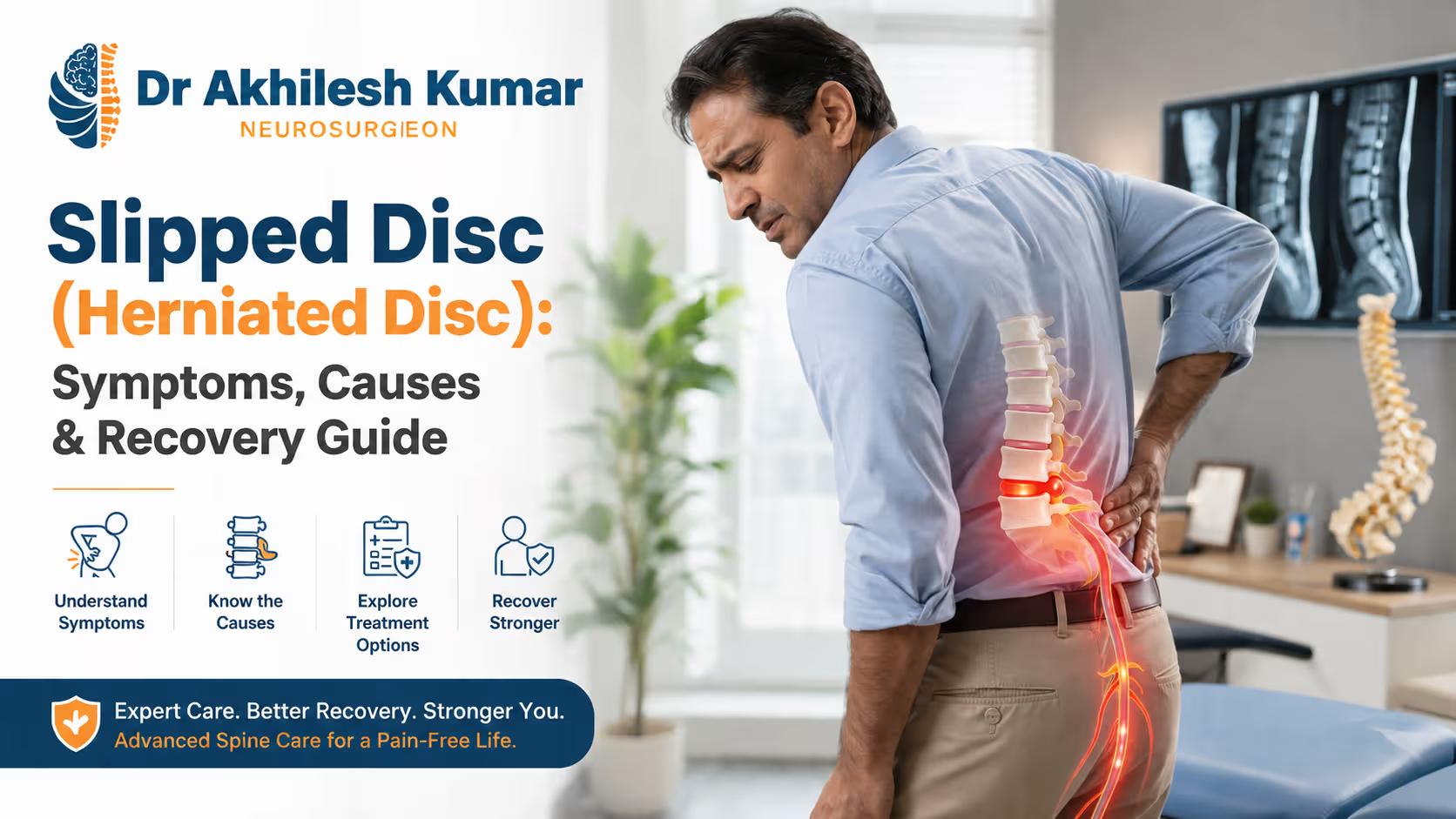
What is a slipped disc, and when does it need surgery?
A slipped disc occurs when the soft, inner gel-like portion of a spinal disc pushes through a tear in the tough outer layer, compressing nearby nerves. While most patients achieve significant improvement through conservative treatments like physiotherapy and medication, surgery is considered necessary only for severe neurological symptoms, progressive muscle weakness, or persistent pain that fails to respond to non-surgical care.
Understanding the Modern Epidemic of Back Pain
Back pain is one of the most common reasons people seek medical attention worldwide. Among the various causes of spinal distress, the “slipped disc“—medically known as a herniated disc—remains one of the most misunderstood and feared diagnoses. For many, the term evokes images of permanent disability or mandatory surgery. However, the reality is far more encouraging.
Why Are Slipped Discs Becoming More Common Today?
In the modern era, our lifestyles have shifted dramatically. We spend hours hunched over laptops, scrolling through smartphones, and sitting in ergonomically unfriendly chairs. This sedentary behavior, combined with rising obesity rates and a lack of core-strengthening physical activity, places unnatural pressure on our spinal columns. As the Best Spine Specialist in Lucknow, Dr. Akhilesh Kumar often notes that “tech neck” and lumbar strain are no longer just issues for the elderly; they are increasingly affecting young professionals in their 20s and 30s.
Can a Slipped Disc Heal Without Surgery?
One of the biggest misconceptions is that a herniated disc requires an operation. In truth, the human body has a remarkable capacity for self-healing. Through a process called resorption, the body can often break down and absorb the herniated disc material. Most patients find relief through a combination of targeted exercise, lifestyle modifications, and specialized medical management.
Why Early Diagnosis Can Prevent Serious Complications
Ignoring the early warning signs of a slipped disc—such as a dull ache in the lower back or occasional tingling in the legs—can lead to chronic nerve damage. Early intervention not only speeds up recovery but also broadens the range of non-surgical treatment options available. Seeking guidance from a qualified professional like Dr. Akhilesh Kumar ensures that you receive a personalized roadmap to recovery before the condition progresses.
What Is a Slipped Disc (Herniated Disc)?
To understand a slipped disc, we must first look at the architecture of the human spine. The spine is composed of a series of bones called vertebrae, stacked one on top of the other. Between these bones are small, rubbery cushions called intervertebral discs.
Understanding the Structure of the Spine
Each disc acts as a shock absorber for the spine. They allow us to bend, twist, and move without the bones grinding against each other. A disc has two main parts:
-
Annulus Fibrosus: The tough, flexible outer ring.
-
Nucleus Pulposus: The soft, jelly-like center.
What Happens When a Disc Herniates?
A “slipped disc” does not actually “slip” out of place. Instead, the term refers to a situation where a crack or tear occurs in the annulus fibrosus. This allows the nucleus pulposus to bulge out or leak through. When this gel-like substance touches a spinal nerve, it causes chemical irritation and physical pressure, leading to pain, numbness, or weakness in the limbs.
Bulging Disc vs. Herniated Disc: What’s the Difference?
While the terms are often used interchangeably, there is a subtle clinical difference:
-
Bulging Disc: The disc protrudes outward, but the outer layer remains intact. It is like a tire that is slightly deflated and bulging on the sides.
-
Herniated Disc: The outer layer is actually torn, and the inner material escapes. This is generally more likely to cause significant nerve irritation than a simple bulge.
Which Part of the Spine Is Most Commonly Affected?
Herniation can happen anywhere in the spine, but it is most frequent in the:
-
Lumbar Spine (Lower Back): This area supports the most weight and undergoes the most movement.
-
Cervical Spine (Neck): Frequently caused by poor posture and repetitive strain.
-
Thoracic Spine (Mid-Back): This is relatively rare because the rib cage provides extra stability to this section of the spine.
Comparison Table: Bulging Disc vs. Herniated Disc
| Feature | Bulging Disc | Herniated Disc (Slipped Disc) |
| Integrity of Outer Layer | Intact, but stretched | Torn or ruptured |
| Internal Material | Contained within the disc | Leaks out or extrudes |
| Nerve Involvement | Possible, but often less severe | Common and often more painful |
| Primary Cause | Gradual wear and tear (Degeneration) | Acute injury or advanced degeneration |
| Common Symptom | Dull ache or localized pain | Sharp, radiating pain (Sciatica) |
What Causes a Slipped Disc?
A herniated disc is rarely the result of a single event. It is usually the culmination of years of “micro-trauma” to the spine.
1. Age-Related Disc Degeneration
As we age, our spinal discs lose water content. This makes them less flexible and more prone to tearing or shrinking. This natural wear-and-tear process is the primary cause of slipped discs in older adults.
2. Poor Posture
Living in a “forward-leaning” world puts immense pressure on the lumbar and cervical discs. Slumping in a chair or leaning toward a monitor shifts the weight distribution of the spine, causing the discs to compress unevenly.
3. Heavy Lifting
Using your back muscles instead of your leg muscles to lift heavy objects is a recipe for disaster. A sudden, forceful movement while the spine is twisted (often called “lifting and twisting”) is a common trigger for acute disc herniation.
4. Obesity
Excess body weight, particularly around the abdomen, shifts the body’s center of gravity forward. This creates a constant “pull” on the lower back, accelerating the degeneration of the lumbar discs.
5. Sedentary Lifestyle
Muscles support the spine. If the core muscles (abdominals and back muscles) are weak, the entire weight-bearing burden falls on the discs. A sedentary lifestyle leads to muscle atrophy, leaving the spine vulnerable.
6. Sports Injuries
High-impact sports like football, wrestling, or even intensive weightlifting can cause sudden disc injuries if the form is incorrect or the impact is severe.
7. Smoking
Many patients are surprised to learn that smoking affects spine health. Nicotine restricts blood flow to the spinal discs, depriving them of essential nutrients and oxygen required for repair.
8. Repetitive Movements
Jobs that require constant bending, reaching, or twisting can wear down the annulus fibrosus over time.
What Are the Symptoms of a Slipped Disc?
The symptoms of a slipped disc depend entirely on where the herniation is and which nerve is being pinched. Interestingly, some people have herniated discs shown on MRIs but feel no pain at all. However, when the disc material irritates a nerve, the symptoms are hard to ignore.
Lower Back Pain
While lower back pain is common, disc-related pain is often described as deep, sharp, and worsening when you sneeze, cough, or sit for long periods.
Neck Pain
A herniated disc in the neck can cause a stiff neck and sharp pain that shoots down the arm and into the fingers.
Sciatica
This is the hallmark of a lumbar slipped disc. Sciatica is a radiating pain that travels from the lower back, through the buttock, and down the back of the leg. It often feels like an electric shock.
Numbness and Tingling
Patients often describe a “pins and needles” sensation in the body part served by the affected nerve. For a neck disc, this might be the hand; for a lower back disc, it might be the foot.
Muscle Weakness
Nerves carry signals from the brain to the muscles. When a nerve is compressed, those signals are interrupted. You might find yourself tripping because your foot “catches” on the floor (foot drop) or find it difficult to lift objects.
Loss of Balance and Coordination
In severe cases, especially with cervical herniation, the compression can affect the spinal cord itself, leading to difficulty walking or a loss of fine motor skills.
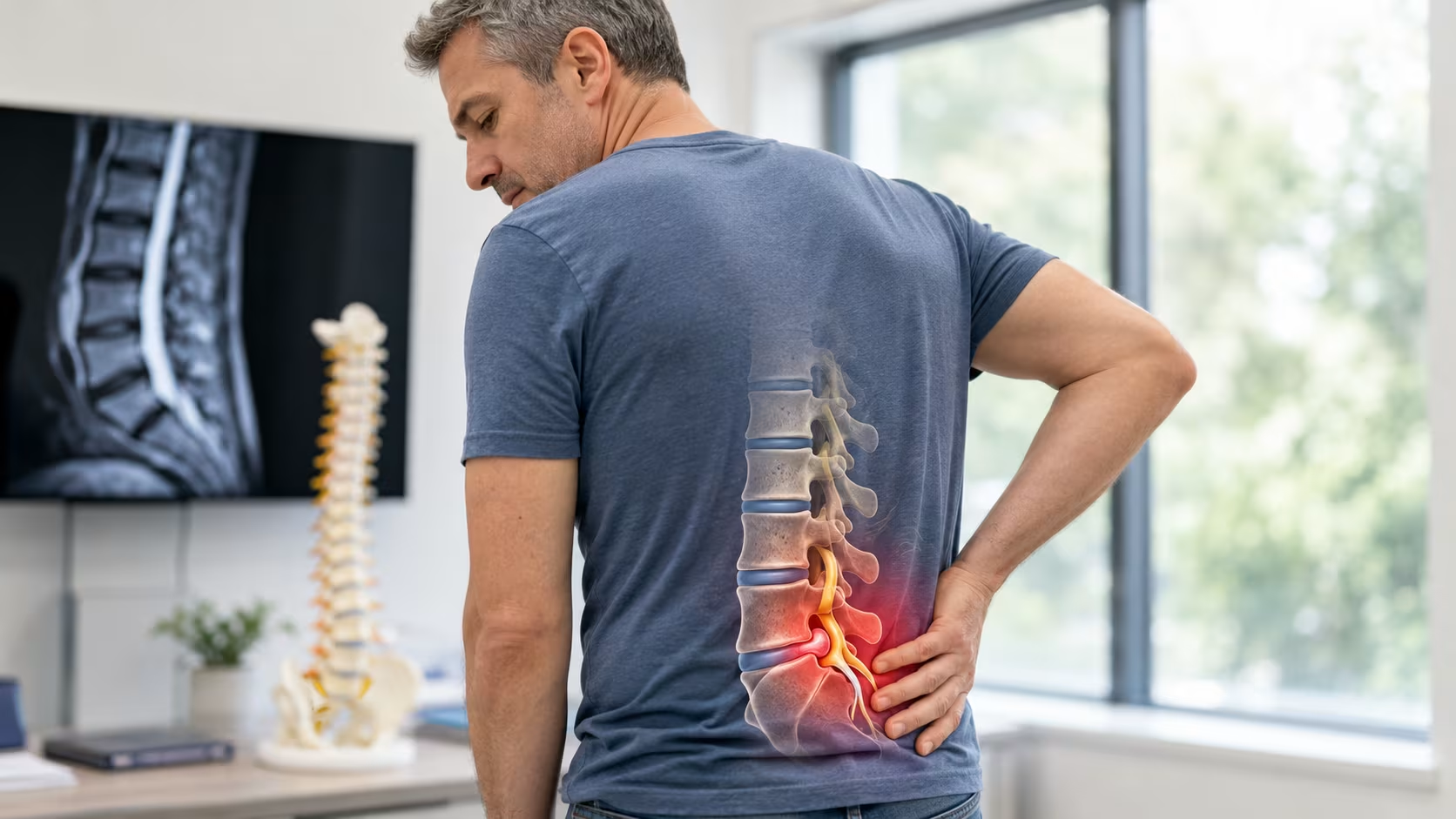
Is Your Back Pain Really a Slipped Disc?
Not all back pain is a slipped disc. In fact, muscle strains and ligament sprains are far more frequent.
How to Differentiate Muscle Pain from Disc Pain
Muscle pain usually stays localized in the back. It feels like a dull ache or soreness and typically improves with a few days of rest and heat application. Disc pain, however, is “neuropathic.” It travels, burns, or tingles and often persists for weeks regardless of rest.
Warning Signs You Should Never Ignore (The “Red Flags”)
Certain symptoms indicate a medical emergency. If you experience the following, seek immediate help from a Slip Disc Doctor in Lucknow:
-
Loss of Bladder or Bowel Control: This could indicate Cauda Equina Syndrome, a rare but serious condition where the nerve roots at the base of the spinal cord are compressed.
-
Saddle Anesthesia: Numbness in the areas that would touch a horse’s saddle (inner thighs, groin).
-
Sudden, Profound Weakness: Inability to move your foot or leg.
Does Every Herniated Disc Cause Sciatica?
No. Sciatica specifically refers to the irritation of the sciatic nerve, which originates in the lumbar spine. If your herniation is in the neck (cervical) or mid-back (thoracic), you will not have sciatica. Instead, you may experience:
-
Cervical Herniation: Pain in the shoulder, arm, and hand. It can cause headaches at the base of the skull.
-
Thoracic Herniation: Pain that wraps around the rib cage or mimics chest pain. This is often misdiagnosed as heart or lung issues.
-
Lumbar Herniation: This is the primary cause of sciatica, affecting the lower extremities.
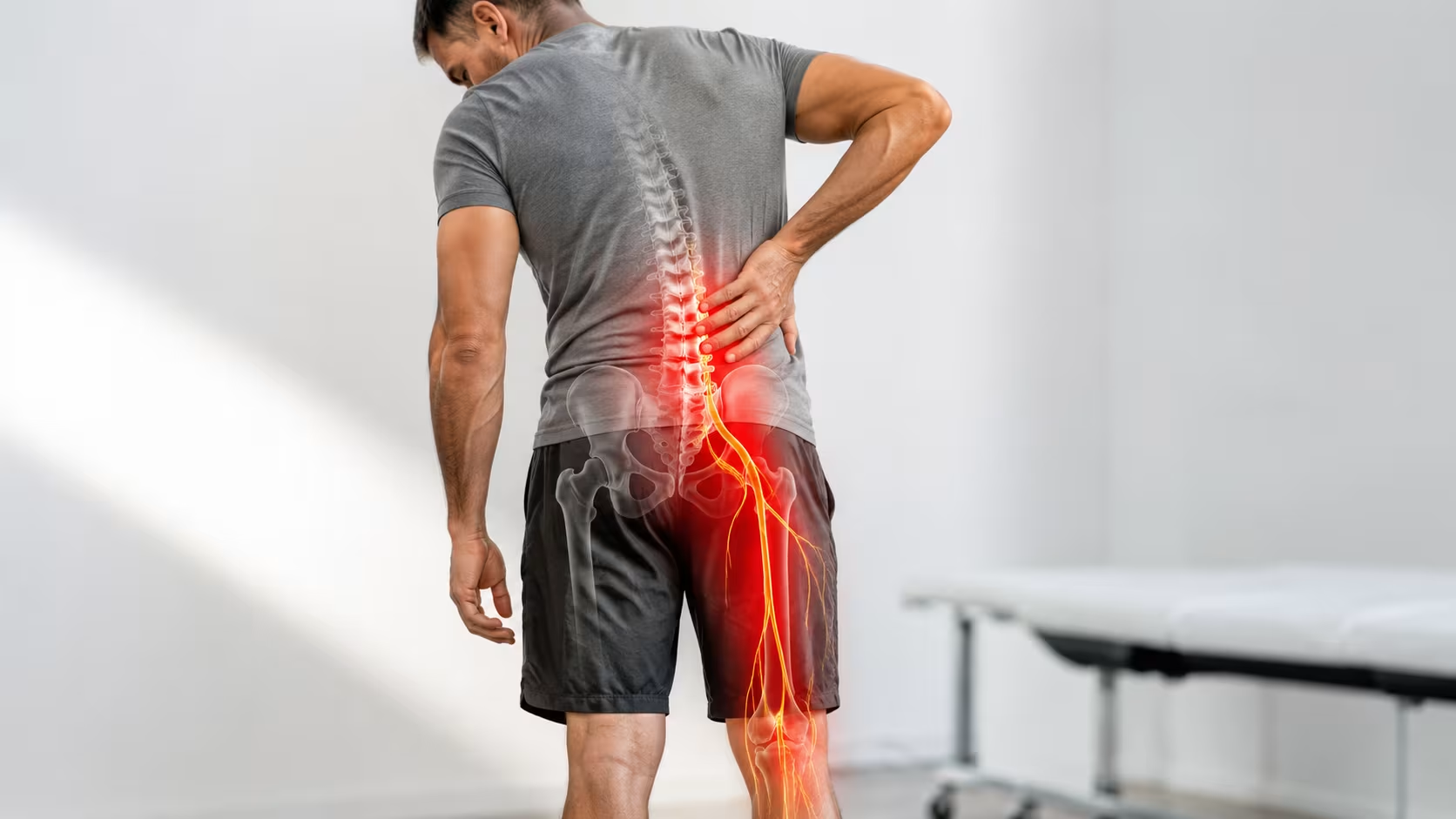
Comparison Chart: Pain Radiation by Location
| Herniation Level | Pain Location | Numbness/Tingling Location |
| Cervical (C5-C7) | Neck, Shoulders, Upper Arms | Fingers, Hands, Forearms |
| Thoracic (T1-T12) | Upper Back, Ribs, Abdomen | Mid-trunk area |
| Lumbar (L4-S1) | Lower Back, Buttocks, Thighs | Calves, Feet, Toes |
Who Is Most at Risk?
Understanding your risk factor is the first step toward prevention. Dr. Akhilesh Kumar identifies the following high-risk groups:
-
Office Professionals: Due to prolonged sitting and “forward head posture.”
-
Drivers: Long-distance driving involves both prolonged sitting and constant vibration from the road, which can fatigue the discs.
-
Heavy Weight Lifters: Those who lift without proper technique or exceed their physical limits.
-
Athletes: Particularly those in contact sports or sports involving repetitive twisting (like golf or tennis).
-
Elderly Individuals: Due to the natural drying out of the discs.
-
People with Poor Core Strength: Without a strong “muscular corset,” the spine lacks the support it needs.
How Is a Slipped Disc Diagnosed?
A proper diagnosis involves more than just an imaging test. It requires a clinical correlation between your symptoms and the test results.
1. Medical History & Physical Examination
The doctor will ask about the onset of pain and perform a “Straight Leg Raise” test. If lifting your leg while lying down causes sharp pain, it is a strong indicator of a lumbar disc herniation.
2. Neurological Examination
This checks your reflexes, muscle strength, and ability to feel light touch or vibrations.
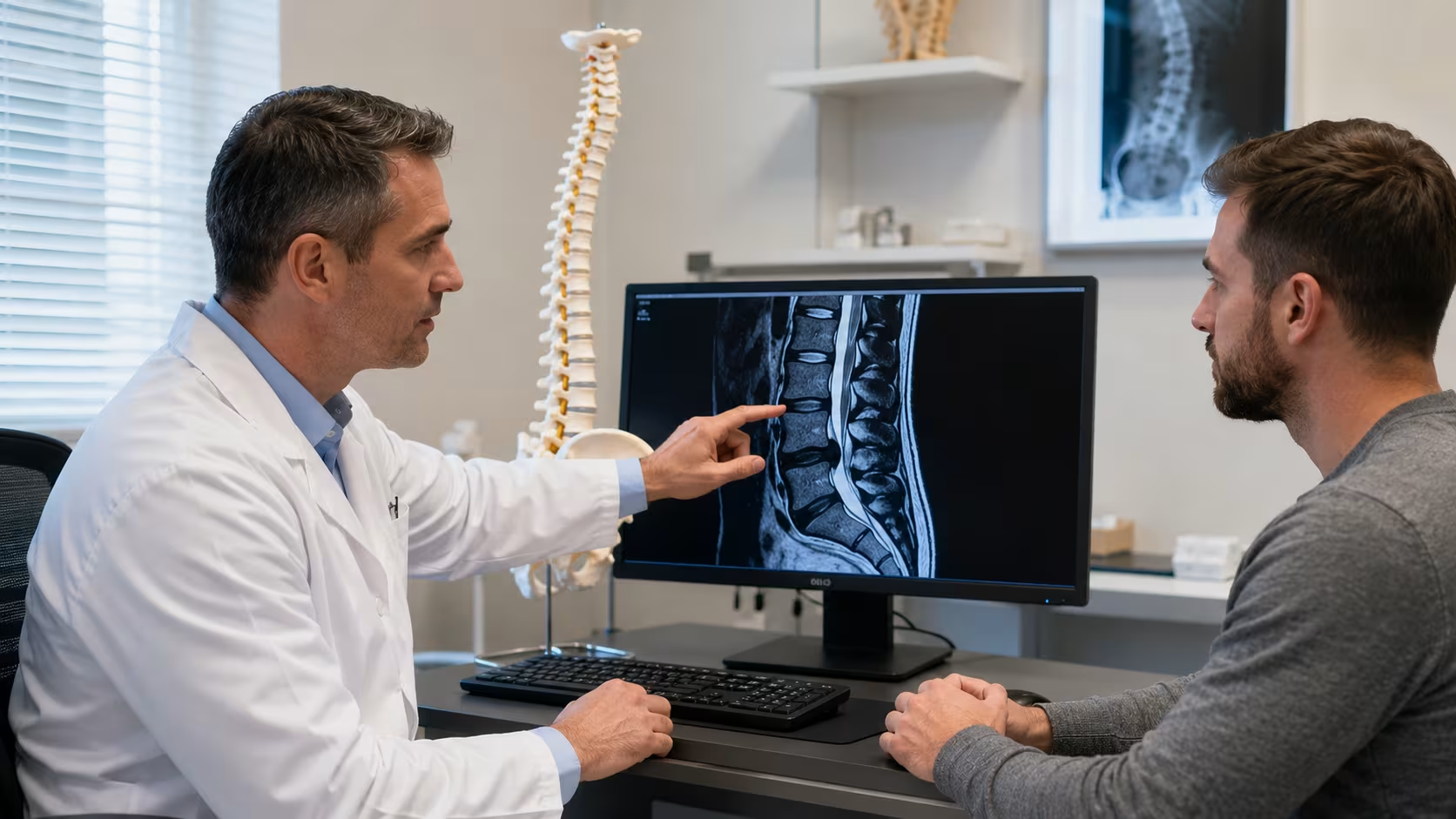
3. MRI Scan (The Gold Standard)
An MRI (Magnetic Resonance Imaging) provides the most detailed view of soft tissues, including the discs and nerves. It can show exactly where the disc has herniated and which nerve is affected.
4. CT Scan
A CT scan is better at showing the bony structures of the spine but can be used if an MRI is not an option for the patient.
5. X-Ray
An X-ray cannot show a slipped disc, but it is useful for ruling out other causes of pain like fractures, tumors, or spinal alignment issues (Spondylolisthesis).
6. EMG (Electromyogram)
This test measures the electrical activity in your muscles and can help determine which specific nerve root is damaged.
Diagnostic Comparison Table
| Test | Best For… | Can it see the disc? |
| MRI | Visualizing nerves and soft tissue | Yes (Excellent) |
| CT Scan | Visualizing bone structure | Partial |
| X-Ray | Ruling out fractures/alignment | No |
| EMG | Testing nerve function/damage | Indirectly |
Can a Slipped Disc Heal Without Surgery?
The answer is a resounding YES. Approximately 80% to 90% of patients recover without ever needing an operation. When seeking Slip Disc Treatment in Lucknow, the first approach is almost always conservative.
Rest and Activity Modification
While “complete bed rest” is no longer recommended (it can actually stiffen the muscles), avoiding heavy lifting and painful movements for a few days can help the inflammation subside.
Physiotherapy
This is the cornerstone of non-surgical recovery. A physiotherapist will design a program to:
-
Decompress the spine through specific stretches.
-
Strengthen the core muscles to take pressure off the discs.
-
Improve posture and ergonomics.
Pain Relief Medications
Non-steroidal anti-inflammatory drugs (NSAIDs) like ibuprofen or naproxen can reduce both pain and the inflammation surrounding the nerve. In some cases, muscle relaxants or nerve pain medications (like gabapentin) may be prescribed.
Epidural Steroid Injections
If oral medications aren’t enough, a corticosteroid can be injected directly into the space around the spinal nerves. This provides a high concentration of anti-inflammatory medicine right at the source of the problem.
Lifestyle Changes
Weight loss and smoking cessation are powerful “medicines” for the spine. Reducing the load on the spine allows the discs a better chance to heal.
When Is Surgery Required?
Surgery is never the first option, but it becomes necessary when conservative treatments fail or when the patient’s neurological health is at risk.
Signs that Surgery is Needed:
-
Severe Nerve Compression: Pain that is so intense it prevents any form of normal life.
-
Progressive Muscle Weakness: If your leg or arm is getting weaker despite therapy.
-
Cauda Equina Syndrome: This is an emergency.
-
Loss of Bladder or Bowel Control.
-
Failed Conservative Treatment: If 6–12 weeks of physiotherapy and medication haven’t provided relief.
Treatment Decision Flowchart
-
Acute Pain Begins -> Consult a specialist -> Start NSAIDs and activity modification.
-
Symptoms persist (2-4 weeks) -> Start targeted Physiotherapy.
-
No Improvement (6-12 weeks) -> Advanced imaging (MRI) -> Consider Steroid Injections.
-
Neurological Deficit (Weakness/Numbness) OR Intolerable Pain -> Evaluate for Surgery.
Surgical Options for a Slipped Disc
Modern spine surgery has evolved significantly. It is no longer the highly invasive, “open” procedure it once was.
1. Microdiscectomy
The most common surgery for a lumbar slipped disc. A small incision is made, and the surgeon uses a microscope to remove only the portion of the disc that is pressing on the nerve. The rest of the disc is left intact.
2. Endoscopic Spine Surgery
An ultra-minimally invasive technique where a tiny camera (endoscope) is inserted through a keyhole incision. This leads to minimal tissue damage and faster recovery.
3. Laminectomy
The surgeon removes a small part of the vertebral bone (the lamina) to create more space for the nerves.
4. Spinal Fusion
In cases where the spine is unstable, two or more vertebrae are fused using bone grafts and metal hardware. This is generally reserved for complex cases.
Recovery After Slipped Disc Surgery
Recovery is a gradual process. Thanks to minimally invasive techniques used by experts like Dr. Akhilesh Kumar, patients are often back on their feet much sooner than they expect.
The Recovery Timeline:
-
Day 1: Most patients are encouraged to stand and walk short distances within 24 hours of surgery.
-
Week 1-2: Focus on wound healing and light walking. Avoid sitting for long periods.
-
Week 3-6: Start gentle physiotherapy. Many “desk job” professionals can return to work.
-
Month 3: Return to more vigorous activities and low-impact exercise.
-
Months 6-12: Full recovery and return to heavy lifting or high-impact sports (with doctor’s approval).
What Happens If a Slipped Disc Is Left Untreated?
Delaying treatment for a symptomatic herniated disc can lead to:
-
Chronic Pain: The brain’s pain pathways become “sensitized,” making pain harder to treat later.
-
Permanent Nerve Damage: Constant pressure can kill nerve fibers, leading to permanent numbness or weakness.
-
Muscle Atrophy: If a nerve can’t signal a muscle, that muscle will eventually waste away.
-
Reduced Mobility: Chronic stiffness can lead to a permanently limited range of motion.
How Can You Prevent a Slipped Disc?
The best “treatment” is never getting a slipped disc in the first place.
1. Improve Your Posture
Keep your head over your shoulders, not leaning forward. Use lumbar support in your office chair.
2. Strengthen Core Muscles
Yoga, Pilates, and specific core exercises create a “natural back brace.”
3. Lift Heavy Objects Correctly
Bend your knees, keep the object close to your body, and never twist while lifting.
4. Maintain a Healthy Weight
Every extra pound of belly fat puts significant strain on the lower back.
5. Quit Smoking
Improve the blood supply to your discs to keep them hydrated and resilient.
Spine Health Checklist:
Do I stand up and stretch every 30 minutes?
Is my computer screen at eye level?
Do I exercise my core at least 3 times a week?
Am I drinking enough water to keep my discs hydrated?
Am I using a supportive mattress?
Common Myths and Facts
| Myth | Fact |
| Myth: Every slipped disc needs surgery. | Fact: 90% of cases heal with non-surgical treatment. |
| Myth: Complete bed rest is the best cure. | Fact: Light movement and walking actually speed up healing. |
| Myth: Exercise makes a slipped disc worse. | Fact: Correct, supervised exercise is essential for recovery. |
| Myth: Only older adults get slipped discs. | Fact: It is very common in young adults due to lifestyle factors. |
| Myth: Surgery always leads to disability. | Fact: Modern micro-surgeries have very high success rates. |
When Should You See a Spine Specialist?
If you are experiencing persistent back pain, don’t wait for it to become a crisis. Early intervention is the key to avoiding surgery. You should consult a Slip Disc Doctor in Lucknow if you notice:
-
Pain that radiates down the leg for more than a week.
-
Unexplained numbness or “heaviness” in your limbs.
-
Difficulty performing simple tasks like climbing stairs.
-
A “locking” sensation in your back.
Expert Opinion: Dr. Akhilesh Kumar
As the Best Spine Specialist in Lucknow, Dr. Akhilesh Kumar emphasizes a “Patient-First” philosophy. He believes that every spine is unique, and therefore, every treatment plan must be individualized.
“Many patients come to me terrified that they will never walk the same way again,” says Dr. Kumar. “I tell them that with advanced imaging, early diagnosis, and a structured rehabilitation plan, the vast majority will return to their normal lives without ever stepping into an operating theater. Surgery is a powerful tool, but it is one we only use when necessary to protect the patient’s long-term mobility.”
Dr. Kumar recommends that patients focus on “Functional Recovery”—not just getting rid of pain, but restoring the strength and flexibility needed for a high-quality of life.
Key Takeaways
-
Most Slipped Discs Improve Without Surgery: Conservative care is the gold standard for initial treatment.
-
Early Treatment Prevents Complications: Don’t ignore radiating pain or numbness.
-
Surgery Is Reserved for Selected Patients: Only when nerves are at risk or pain is intractable.
-
Physiotherapy Is Essential: It treats the root cause (weakness/posture) rather than just the symptoms.
-
Lifestyle Changes Reduce Recurrence: Once you’ve had a disc issue, protecting your spine becomes a lifelong commitment.
Conclusion
A slipped disc can feel like a life-altering diagnosis, but with the right guidance, it is usually just a temporary setback. By understanding the causes, recognizing the symptoms early, and committing to a recovery plan, you can regain your mobility and live a pain-free life.
If you are struggling with back pain or sciatica, don’t leave your spinal health to chance. Early diagnosis by a qualified professional is the most effective way to ensure a fast and complete recovery. Whether you need advanced Slip Disc Treatment in Lucknow or simply a consultation to rule out serious issues, reaching out to an expert is the first step.
Schedule a consultation with Dr. Akhilesh Kumar, the Best Spine Specialist in Lucknow, and take the first step toward a stronger, healthier back today. As a leading Neurologist in Lucknow, Dr. Kumar is dedicated to providing compassionate, world-class care tailored to your specific needs.
FAQs
1. What is a slipped disc?
A slipped disc, or herniated disc, occurs when the soft inner core of a spinal disc leaks through a tear in its tough outer shell. This can irritate or compress nearby spinal nerves, leading to pain, numbness, or weakness in the back, arms, or legs. It is most common in the lower back and neck.
2. What are the first symptoms of a slipped disc?
The initial symptoms often include a sudden “pop” or snap in the back, followed by a dull ache. This quickly evolves into sharp, radiating pain that travels down one leg (sciatica) or arm. You may also notice tingling, “pins and needles,” or a localized weakness in specific muscle groups.
3. Can a slipped disc heal naturally?
Yes, many slipped discs heal naturally through a process called resorption. The body recognizes the escaped disc material as a foreign substance and works to break it down. Combined with physiotherapy to strengthen supporting muscles and reduce pressure, most patients recover within 6 to 12 weeks without surgery.
4. When is surgery needed for a herniated disc?
Surgery is typically considered when conservative treatments fail after several weeks, or if there are “red flag” symptoms. These include progressive muscle weakness, loss of bladder or bowel control, difficulty walking, or pain that is so severe it cannot be managed with medication.
5. How long does recovery take after a slipped disc?
For non-surgical recovery, most patients feel significant relief within 4–6 weeks. Following surgery, such as a microdiscectomy, patients usually return to light activities within 2 weeks and full physical activity within 3 months, depending on the individual’s healing rate and the nature of their job.
6. Which scan confirms a slipped disc?
An MRI (Magnetic Resonance Imaging) is the most effective scan for confirming a slipped disc. Unlike X-rays, which only show bones, an MRI provides high-resolution images of soft tissues, allowing doctors to see the discs, spinal cord, and individual nerve roots clearly to identify the exact site of herniation.
7. Is physiotherapy effective for a slipped disc?
Physiotherapy is highly effective and is considered the primary treatment for most cases. It involves specific exercises to decompress the spine, improve core stability, and correct postural imbalances. A therapist also teaches patients how to move safely to prevent the disc from being further irritated.
8. What exercises should be avoided with a slipped disc?
Patients should avoid high-impact activities (running, jumping), heavy weightlifting (especially squats or deadlifts), and exercises that involve deep forward bending or twisting of the spine. These movements increase the pressure on the discs and can cause the herniation to worsen or lead to a re-injury.
9. Can a slipped disc recur after treatment?
Yes, there is a risk of recurrence, especially if the underlying causes—like poor posture, obesity, or weak core muscles—are not addressed. Maintaining a healthy weight, exercising regularly, and practicing proper lifting techniques are essential to prevent the same disc or a neighboring one from herniating again.
10. When should I consult a spine specialist?
You should consult a spine specialist if your back or neck pain is accompanied by radiating pain in the limbs, numbness, or weakness. Seeking help early from an expert like a Slip Disc Doctor in Lucknow ensures you receive an accurate diagnosis and a treatment plan that prevents long-term nerve damage.
