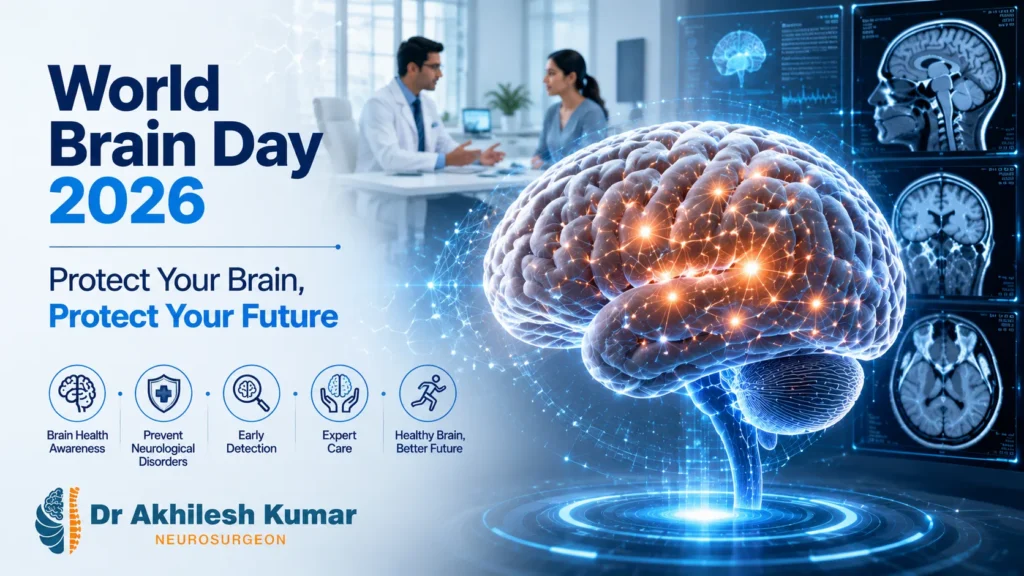
Every year, World Brain Day is celebrated on 22 July to spread awareness about the importance of brain health and the prevention, diagnosis, and treatment of neurological disorders. The brain is the most complex organ of the human body and controls everything we do, including movement, memory, emotions, speech, learning, and decision-making.
A healthy brain is essential for a healthy life. However, millions of people worldwide are affected by neurological conditions such as stroke, brain tumors, epilepsy, migraine, dementia, Parkinson’s disease, and traumatic brain injuries. Many people ignore early warning signs because they consider them temporary problems caused by stress, fatigue, or aging. This delay can sometimes lead to serious complications.
World Brain Day 2026 is an opportunity to remind people that brain health should be a priority at every stage of life. Simple lifestyle changes, awareness about symptoms, regular health check-ups, and timely medical consultation can help protect brain function and reduce the risk of severe neurological problems.
What is World Brain Day?
World Brain Day is an annual global awareness campaign observed on 22 July to highlight the importance of brain health and increase awareness about neurological disorders.
The day focuses on educating people about conditions affecting the brain, spinal cord, and nervous system. It encourages individuals to understand symptoms, seek timely medical advice, and adopt healthy habits that support lifelong brain function.
Neurological disorders can affect people of all ages. Some develop gradually, while others may appear suddenly and require emergency treatment. Conditions such as stroke, epilepsy, brain tumors, and head injuries can significantly affect a person’s quality of life if not treated at the right time.
The main goals of World Brain Day include:
- Increasing awareness about neurological diseases.
- Promoting early diagnosis.
- Encouraging preventive healthcare.
- Improving access to neurological treatment.
- Supporting people living with brain disorders.
Brain health is not only important for older adults. Children, young adults, working professionals, and elderly people all need to take care of their neurological well-being.
Why Brain Health Matters?
The brain controls almost every function of the human body. It allows us to think, communicate, remember, learn, and perform daily activities. Protecting brain health helps maintain independence, productivity, and quality of life.
Poor lifestyle habits, uncontrolled medical conditions, and lack of awareness can increase the risk of neurological problems.
Benefits of Maintaining Good Brain Health
Better Memory and Concentration
A healthy brain improves focus, learning ability, decision-making, and problem-solving skills.
Reduced Risk of Stroke
Managing risk factors such as high blood pressure, diabetes, obesity, and high cholesterol can reduce the chances of stroke.
Healthy Aging
Taking care of your brain throughout life may help reduce age-related memory decline and cognitive problems.
Improved Emotional Well-being
Good sleep, exercise, and stress management support better mental and emotional health.
Better Quality of Life
A healthy brain supports movement, communication, relationships, and independence.
Common Neurological Disorders
Neurological disorders affect the brain, spinal cord, and nerves. These conditions can impact movement, memory, speech, sensation, and overall body function.
Stroke
A stroke occurs when the blood supply to a part of the brain is interrupted due to blockage or bleeding.
Common stroke symptoms include:
- Sudden weakness or numbness
- Difficulty speaking
- Facial drooping
- Loss of balance
- Sudden vision problems
A stroke is a medical emergency where immediate treatment can improve recovery chances.
Brain Tumor
A brain tumor occurs when abnormal cells grow inside the brain. Some tumors are non-cancerous, while others may be malignant.
Possible symptoms include:
- Persistent headaches
- Seizures
- Vision changes
- Memory problems
- Weakness in arms or legs
Early diagnosis by an experienced Brain Surgeon in Lucknow can help determine the appropriate treatment plan.
Epilepsy
Epilepsy is a neurological condition characterized by repeated seizures caused by abnormal electrical activity in the brain.
Treatment may include medications, lifestyle management, and specialist monitoring.
Migraine
Migraine is a neurological condition that causes intense headaches, often with nausea, vomiting, and sensitivity to light or sound.
Proper diagnosis and treatment can help reduce migraine frequency and severity.
Dementia and Memory Disorders
Dementia affects memory, thinking ability, and daily functioning. Alzheimer’s disease is one of the most common causes of dementia.
Early evaluation can help identify the cause and provide appropriate support.
Head Injury and Brain Trauma
Accidents, falls, and sports injuries can cause brain trauma. Even mild injuries should be evaluated if symptoms persist.
Early Signs of Brain Disorders That Should Not Be Ignored
Many brain disorders show early warning signs. Recognizing these symptoms can help in early diagnosis and better treatment outcomes.
Seek medical advice if you experience:
- Persistent or worsening headaches
- Sudden weakness or numbness
- Difficulty speaking or understanding words
- Memory problems affecting daily life
- Frequent dizziness or balance issues
- Seizures
- Vision changes
- Personality changes
- Difficulty walking
- Tingling sensations in hands or feet
Not every symptom indicates a specialist should evaluate a serious disease, but unexplained or persistent neurological symptoms.
Brain Disease Symptoms That Require Emergency Care
Some neurological symptoms require immediate medical attention because they may indicate serious conditions such as stroke, brain hemorrhage, severe head injury, or other life-threatening problems. Quick medical intervention can reduce complications and improve recovery chances.
You should seek emergency care if you notice:
Sudden Face Drooping, Arm Weakness, or Speech Difficulty
These are classic warning signs of stroke. Remember the FAST rule:
- F – Face: Ask the person to smile. Is one side of the face drooping?
- A – Arm: Is one arm weak or numb?
- S – Speech: Is speech unclear or difficult to understand?
- T – Time: Seek emergency medical help immediately.
Severe Sudden Headache
A sudden, extremely severe headache that feels different from previous headaches may indicate bleeding inside the brain or another serious condition.
Emergency attention is especially important if the headache is associated with:
- Vomiting
- Loss of consciousness
- Confusion
- Neck stiffness
- Vision problems
Seizures
A first-time seizure or a seizure lasting more than five minutes requires urgent medical evaluation.
Emergency care is needed if:
- The person does not regain consciousness.
- Seizures happen repeatedly.
- There is difficulty breathing.
- The seizure occurs after a head injury.
Sudden Loss of Balance or Coordination
Difficulty walking, sudden dizziness, or loss of coordination can be signs of stroke or other neurological emergencies.
Sudden Confusion or Unconsciousness
Unexpected confusion, inability to recognize people, extreme drowsiness, or loss of consciousness should never be ignored.
Early treatment can make a significant difference in neurological emergencies.
Stroke Prevention Tips Everyone Should Follow
Stroke is one of the most serious neurological conditions, but many strokes can be prevented by controlling risk factors and following a healthy lifestyle.
Control Blood Pressure
High blood pressure is one of the biggest risk factors for stroke.
To maintain healthy blood pressure:
- Check your blood pressure regularly.
- Reduce salt intake.
- Take prescribed medicines properly.
- Maintain a healthy weight.
Manage Diabetes
Uncontrolled diabetes can damage blood vessels and increase stroke risk.
Follow:
- Regular blood sugar monitoring.
- A healthy diet.
- Regular physical activity.
- Medical advice from your healthcare provider.
Maintain Healthy Cholesterol Levels
High cholesterol can lead to plaque buildup in blood vessels, increasing the risk of stroke.
Include:
- Fruits and vegetables
- Whole grains
- Nuts and seeds
- Healthy fats
Avoid excessive processed and fried foods.
Exercise Regularly
Physical activity improves blood circulation and supports brain health.
Simple activities like:
- Walking
- Yoga
- Swimming
- Cycling
Can provide significant benefits.
Stop Smoking
Smoking damages blood vessels and increases the risk of stroke, heart disease, and other health problems.
Quitting smoking is one of the best decisions for long-term brain health.
Maintain a Healthy Diet
A brain-friendly diet should include:
- Green leafy vegetables
- Fruits
- Whole grains
- Protein-rich foods
- Omega-3-rich foods
Proper nutrition supports brain function and overall health.
Manage Stress and Sleep Well
Chronic stress and poor sleep can negatively affect brain health.
Practice:
- Meditation
- Deep breathing exercises
- Relaxation techniques
- Regular sleep schedule
Memory Loss: When Is It Normal and When Should You Be Concerned?
Forgetting things occasionally is common. Misplacing keys, forgetting names temporarily, or missing an appointment does not always indicate a brain disorder.
However, memory loss that affects daily activities should be evaluated by a specialist.
Normal Age-Related Memory Changes
Examples include:
- Forgetting someone’s name but remembering it later.
- Occasionally misplacing objects.
- Taking slightly longer to recall information.
These changes are often part of normal aging.
Warning Signs of Serious Memory Problems
Consult a neurologist if you notice:
- Repeating the same questions frequently.
- Forgetting familiar routes.
- Difficulty managing daily tasks.
- Trouble recognizing family members.
- Problems handling money or medications.
- Significant personality changes.
These symptoms may be related to conditions such as dementia or other neurological disorders.
Early assessment can help identify the cause and guide proper management.
How Your Lifestyle Affects Brain Health
Your everyday choices have a major impact on brain function. A healthy lifestyle can support memory, concentration and reduce the risk of neurological problems.
Get Quality Sleep
Sleep allows the brain to repair and process information.
Adults should aim for around 7–9 hours of quality sleep every night.
Poor sleep may contribute to:
- Memory difficulties
- Poor concentration
- Mood changes
- Increased health risks
Stay Physically Active
Exercise increases blood flow to the brain and supports healthy brain cells.
Regular physical activity can help improve:
- Memory
- Mood
- Focus
- Overall brain performance
Keep Your Brain Active
Mental stimulation helps maintain cognitive health.
Activities include:
- Reading
- Learning new skills
- Solving puzzles
- Playing strategy games
- Learning a musical instrument
Eat Brain-Healthy Foods
A balanced diet supports brain function.
Include:
- Fresh fruits
- Vegetables
- Nuts
- Seeds
- Whole grains
- Lean proteins
Maintain Social Connections
Spending time with family and friends supports emotional health and reduces feelings of isolation.
Social activities can also help maintain cognitive function.
Avoid Harmful Habits
Avoid:
- Smoking
- Excessive alcohol consumption
- Poor eating habits
- Lack of physical activity
These factors can increase the risk of neurological diseases.
When Should You See a Neurologist?
Many people ignore neurological symptoms until they become severe. Early consultation with a specialist can help detect problems before they become serious.
You should consult a Neurologist in Lucknow if you experience:
- Frequent or severe headaches
- Memory problems
- Seizures
- Tingling or numbness
- Muscle weakness
- Tremors
- Balance problems
- Speech difficulties
- Vision changes
- Persistent dizziness
- Sleep-related neurological issues
A neurologist can perform a detailed evaluation, recommend appropriate tests, and create a treatment plan based on your condition.
If symptoms require surgical management, consultation with an experienced Best Neurosurgeon in Lucknow can help determine the most suitable treatment approach.
Advanced Brain Disorder Treatment with Dr. Akhilesh Kumar
Neurological conditions require expert evaluation, accurate diagnosis, and personalized treatment. Dr. Akhilesh Kumar is a Consultant Neurosurgeon specializing in brain and spine-related disorders.
With experience in neurosurgical care, he provides evaluation and treatment for various neurological conditions, including:
- Brain tumors
- Stroke-related complications
- Head injuries
- Epilepsy and seizure disorders
- Hydrocephalus
- Complex brain and spine conditions
As a Brain Specialist in Lucknow, focuses on patient-centered care, advanced diagnostic evaluation, and selecting treatment options according to each patient’s condition.
Modern neurosurgical care combines clinical expertise, advanced technology, and a personalized approach to improve patient outcomes.
Expert Neurological Care Close to You
Brain health is an important part of overall well-being, and timely medical attention can make a significant difference in the outcome of many neurological conditions. Whether it is a sudden emergency like stroke or a long-term condition such as epilepsy, migraine, memory problems, or a brain tumor, proper evaluation by an experienced specialist is essential.
Many neurological disorders develop gradually, and people often ignore early symptoms thinking they will improve on their own. However, symptoms such as persistent headaches, weakness, numbness, seizures, speech difficulty, memory changes, or balance problems should not be neglected.
Choosing the right specialist helps ensure:
- Accurate diagnosis of the condition.
- Proper interpretation of neurological symptoms.
- Early identification of serious problems.
- Personalized treatment planning.
- Better management of long-term neurological health.
Dr. Akhilesh Kumar, a Consultant Neurosurgeon in Lucknow, provides expert care for various brain and spine-related conditions. His approach focuses on detailed evaluation, advanced treatment options, and helping patients understand their condition and available treatment choices.
For individuals searching for a Best Neurosurgeon in Lucknow, timely consultation can help prevent complications and improve quality of life.
World Brain Day 2026: Every Brain Matters
The message of World Brain Day 2026 is a reminder that every brain is valuable and deserves proper care and attention.
Brain health is not only about treating diseases; it is also about prevention, awareness, and making healthier choices throughout life. From childhood development to healthy aging, protecting brain function should be a lifelong commitment.
Many neurological disorders can have a major impact on individuals and families. Conditions such as stroke, epilepsy, dementia, and brain injuries can affect independence, communication, movement, and daily activities.
However, awareness and early medical care can change outcomes.
On this World Brain Day 2026, everyone can take simple steps to protect their brain:
- Learn about neurological warning signs.
- Maintain a healthy lifestyle.
- Monitor blood pressure, sugar, and cholesterol.
- Stay physically and mentally active.
- Seek medical advice when symptoms appear.
A healthy brain supports a healthier future. Taking care of your brain today can help you maintain better memory, mobility, and independence in the years ahead.
How You Can Support World Brain Day 2026
World Brain Day is not only an awareness event for healthcare professionals; everyone can contribute to spreading knowledge about brain health.
Here are some ways you can support this important cause:
1. Spread Awareness About Brain Health
Share reliable information about neurological diseases, symptoms, and prevention methods with family and friends.
Awareness helps people recognize problems early and seek medical help at the right time.
2. Learn the Warning Signs of Stroke
Knowing the FAST signs of stroke can save a life.
Remember:
- Face drooping
- Arm weakness
- Speech difficulty
- Time to seek emergency help
Quick action can reduce the risk of permanent disability.
3. Encourage Healthy Lifestyle Habits
Promote habits that support brain health:
- Regular exercise
- Balanced nutrition
- Adequate sleep
- Stress management
- Avoiding smoking
Small daily improvements can create long-term benefits.
4. Support People Living With Neurological Conditions
Patients with neurological disorders may require medical treatment, rehabilitation, and emotional support.
Understanding and supporting them helps improve their quality of life.
5. Schedule Regular Health Check-ups
Regular monitoring of:
- Blood pressure
- Blood sugar
- Cholesterol levels
Can help reduce the risk of stroke and other neurological complications.
Frequently Asked Questions
1. When is World Brain Day celebrated?
World Brain Day is celebrated every year on 22 July to increase awareness about brain health, neurological disorders, and the importance of timely diagnosis and treatment.
2. Why is World Brain Day important?
World Brain Day helps educate people about brain diseases, encourages preventive care, promotes early diagnosis, and highlights the importance of access to neurological healthcare.
3. What are the common symptoms of brain disorders?
Common symptoms include:
- Persistent headaches
- Memory problems
- Seizures
- Weakness or numbness
- Speech difficulties
- Balance problems
- Vision changes
- Confusion
Anyone experiencing persistent neurological symptoms should consult a specialist.
4. How can I improve my brain health naturally?
You can improve brain health by:
- Exercising regularly
- Eating a balanced diet
- Sleeping properly
- Managing stress
- Staying mentally active
- Avoiding smoking and excessive alcohol
5. What are the early signs of stroke?
Early stroke signs include:
- Facial weakness
- Weakness in one arm or leg
- Speech difficulty
- Sudden confusion
- Loss of balance
- Sudden vision problems
Immediate medical attention is required.
6. Can brain diseases be prevented?
Not all brain diseases can be prevented, but healthy habits can reduce the risk of many neurological conditions.
Controlling blood pressure, diabetes, and cholesterol, maintaining a healthy lifestyle, and avoiding smoking can protect brain health.
7. Who treats brain disorders?
Brain disorders are treated by neurologists and neurosurgeons depending on the condition.
A Neurologist mainly manages medical conditions affecting the nervous system, while a Neurosurgeon performs surgical treatment when required.
Conclusion: Protect Your Brain, Protect Your Future
World Brain Day 2026 reminds us that brain health is one of the most important investments we can make for ourselves and our families.
The brain controls every aspect of our life, from movement and memory to emotions and communication. Protecting it requires awareness, healthy habits, and timely medical attention.
Do not ignore warning signs such as persistent headaches, seizures, sudden weakness, memory changes, speech difficulties, or balance problems. Early diagnosis and expert guidance can help manage neurological conditions effectively.
Because every brain matters — protect your brain, protect your future.
