
Introduction
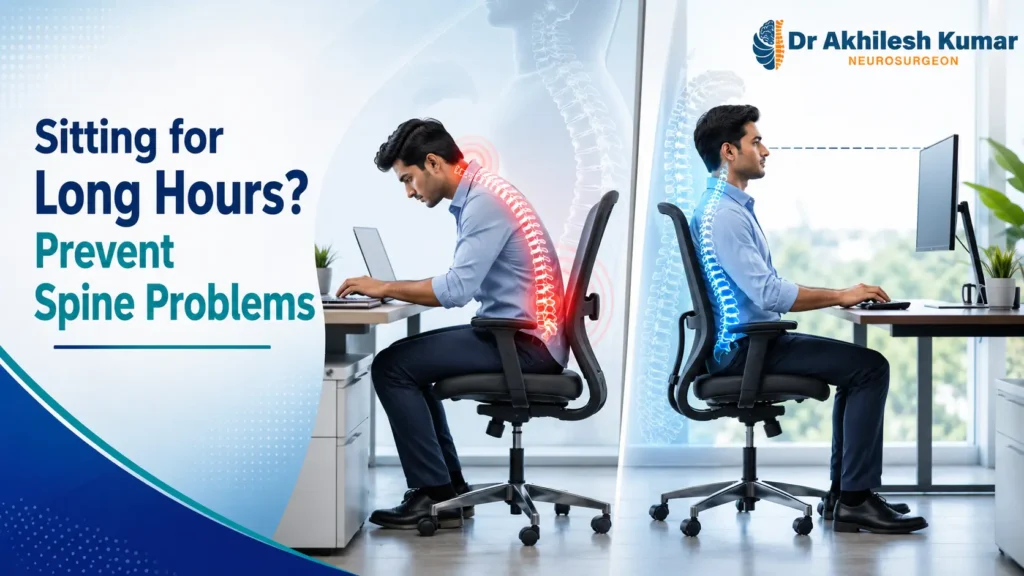
Do you spend most of your day sitting in front of a computer, attending online meetings, driving, or scrolling through your phone? If yes, you’re not alone. Millions of professionals, students, entrepreneurs, and remote workers now spend 8–12 hours a day sitting, often without realizing the impact it has on their spine.
While sitting may seem harmless, maintaining the same posture for prolonged periods places continuous stress on your back, neck, and spinal discs. Over time, this can lead to chronic pain, reduced flexibility, poor posture, and, in some cases, more serious conditions such as cervical spondylosis, lumbar disc prolapse, or sciatica.
The problem isn’t sitting itself—it’s how long you sit, how you sit, and how often you move. Your spine is designed for movement. Walking, stretching, changing positions, and engaging your muscles help distribute pressure evenly across the spinal column. Remaining in one position for hours, however, reduces blood circulation, weakens supporting muscles, and increases pressure on the intervertebral discs.
Many people ignore early symptoms like neck stiffness or occasional back pain, assuming they’ll disappear with rest. Unfortunately, these minor warning signs can gradually develop into chronic spinal disorders if left unaddressed.
The good news is that most sitting-related spine problems are preventable. Small adjustments to your workstation, posture, and daily routine can significantly reduce the strain on your spine and improve your long-term musculoskeletal health.
In this guide, you’ll learn why prolonged sitting affects the spine, recognize the early warning signs of spinal problems, and discover practical, evidence-based strategies to protect your back—whether you work in an office, from home, or spend long hours behind the wheel.
Why Does Sitting for Long Hours Damage Your Spine?
Many people believe standing is harder on the body than sitting. Surprisingly, the opposite is often true.
When you stand or walk, the muscles around your spine remain active, helping distribute your body weight evenly. Walking also nourishes the spinal discs by promoting the exchange of nutrients through regular movement.
However, prolonged sitting changes this balance.
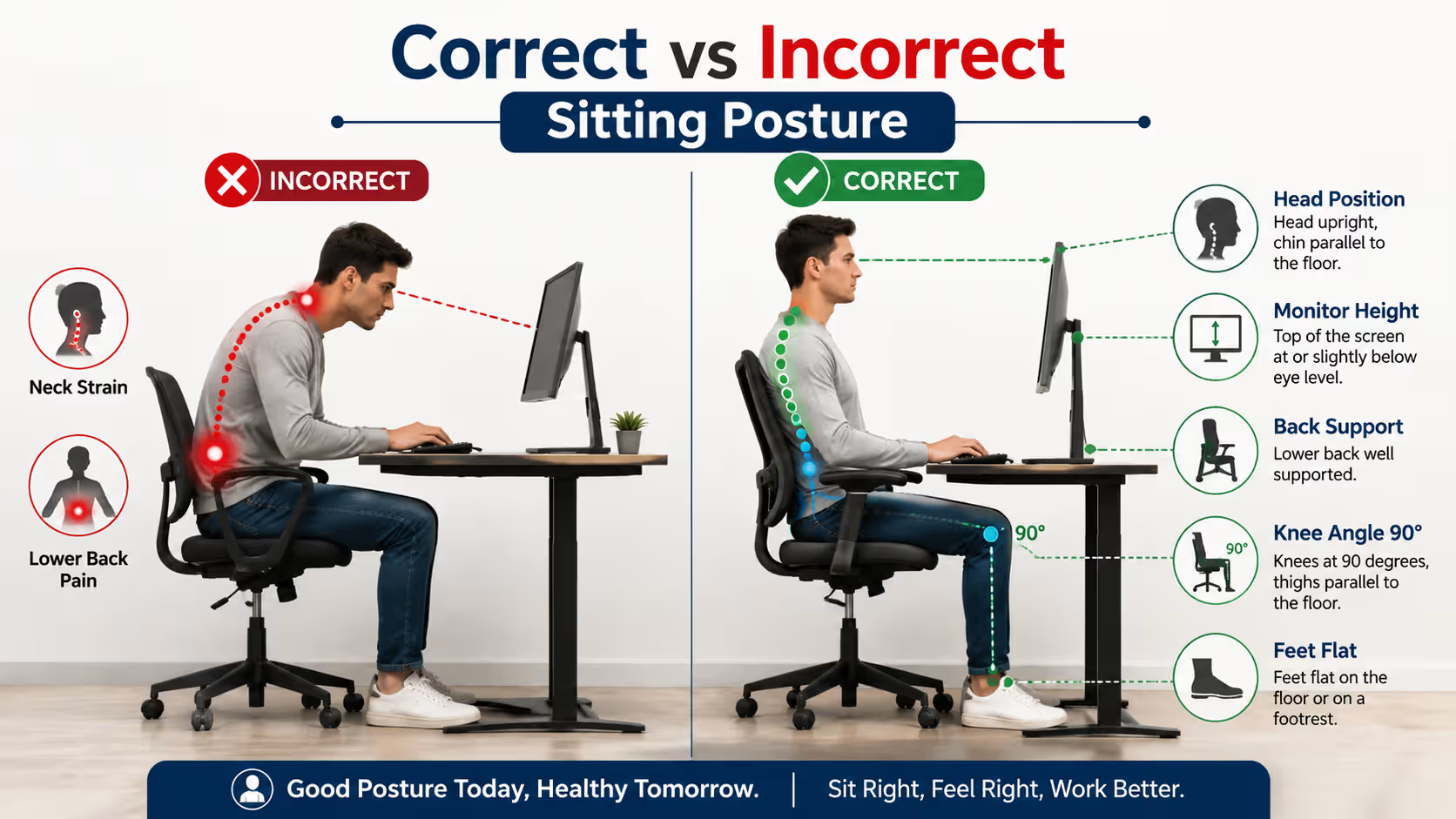
When you remain seated for extended periods, your pelvis tilts backward, the natural curve of your lower back begins to flatten, and your head gradually moves forward toward the screen. This seemingly small change in posture dramatically increases the workload on your cervical and lumbar spine.
What Happens Inside Your Spine When You Sit for Hours?
Think of your spine as a flexible tower made up of 33 vertebrae, separated by soft cushioning discs that act as shock absorbers. These discs don’t have a direct blood supply. Instead, they rely on movement to absorb nutrients and stay healthy.
During prolonged sitting:
- The pressure on the lumbar (lower back) discs increases significantly compared to standing.
- Neck muscles work harder to support a forward-leaning head.
- Core muscles become less active, reducing spinal stability.
- Hip flexor muscles tighten, pulling the pelvis out of alignment.
- Blood circulation slows around the back and pelvic muscles.
- Ligaments remain under constant tension, leading to stiffness and discomfort.
Over months and years, these changes may accelerate wear and tear of the spine, particularly in individuals with poor posture, obesity, smoking habits, or physically inactive lifestyles.
The “Forward Head” Problem: A Modern Epidemic
One of the most common posture-related issues seen today is Forward Head Posture, often caused by working on laptops, desktops, or smartphones.
Your head weighs approximately 4–6 kg in a neutral position. As your neck bends forward to look at a screen, the effective load on the cervical spine increases dramatically. This places excessive stress on the neck muscles, spinal joints, and intervertebral discs.
Common consequences include:
- Persistent neck pain
- Frequent headaches
- Shoulder tightness
- Muscle fatigue
- Reduced neck mobility
- Tingling or numbness radiating into the arms in advanced cases
Correcting screen height and maintaining proper posture can substantially reduce this unnecessary strain.
Sitting Isn’t the Only Problem—Staying Still Is
Many office workers proudly say, “I don’t leave my desk because I’m productive.” Unfortunately, your spine doesn’t share that enthusiasm.
Remaining in the same position for several hours causes the supporting muscles to fatigue while increasing compression on the spinal discs. Even sitting with “perfect posture” all day isn’t ideal if you never move.
This is why spine specialists often encourage frequent movement rather than perfect posture alone.
Simple habits like standing up during phone calls, walking to refill your water bottle, or stretching for two minutes every half hour can reduce spinal loading and improve circulation without interrupting productivity.
Who Is Most at Risk of Sitting-Related Spine Problems?
Although anyone can develop posture-related back pain, some people face a higher risk because of the nature of their work or lifestyle.
You may be more vulnerable if you are:
- An IT professional or software engineer working long hours at a computer
- A banker, accountant, or office executive with a desk-based job
- A student preparing for competitive exams
- A graphic designer, video editor, or digital marketer
- A truck, taxi, or delivery driver spending hours behind the wheel
- A gamer or content creator
- Someone working from home without an ergonomic workstation
- Physically inactive outside work
These individuals often develop symptoms gradually, making it easy to overlook the problem until it starts interfering with daily life.
Early Warning Signs Your Spine Is Under Stress
Your body usually gives subtle signals before a significant spinal problem develops. Recognizing these warning signs early can help prevent long-term complications.
1. Stiffness After Sitting
Do you feel unusually stiff when getting up after working for an hour or more? This often indicates that your spinal joints and surrounding muscles have remained inactive for too long.
2. Neck Pain at the End of the Day
A dull ache around the neck or shoulders after work is one of the earliest signs of poor workstation ergonomics or forward head posture.
3. Lower Back Pain That Improves After Walking
Pain that eases once you start moving is commonly associated with prolonged sitting rather than acute injury.
4. Tingling or Numbness
Occasional tingling in the hands, fingers, legs, or feet may suggest irritation or compression of nearby nerves. While it isn’t always serious, persistent symptoms should never be ignored.
5. Pain Radiating Down One Leg
Pain traveling from the lower back into the buttock or leg could indicate irritation of the sciatic nerve. Early evaluation can help identify the underlying cause before symptoms worsen.
6. Frequent Headaches
Poor neck posture can strain muscles at the base of the skull, contributing to tension-type headaches that often worsen after prolonged screen time.
7. Reduced Flexibility
If bending forward, turning your neck, or twisting your back feels increasingly difficult, your muscles and joints may already be adapting to prolonged inactivity.
Don’t Ignore Persistent Pain
Occasional muscle soreness after a busy day is common. However, pain that lasts for weeks, keeps returning, disturbs your sleep, or begins affecting your daily routine deserves professional attention.
According to Dr. Akhilesh Kumar, one of the Spine Specialists in Lucknow, many spinal conditions respond better when diagnosed early. Ignoring persistent symptoms may allow minor posture-related issues to progress into more complex problems involving the spinal discs or nerves. Early assessment not only helps identify the exact cause of pain but also increases the chances of successful treatment with conservative measures before surgery is ever considered.
10 Expert-Backed Tips to Prevent Spine Problems While Sitting for Long Hours
Making small adjustments to your daily routine can have a significant impact on your spinal health. These recommendations are based on established principles of ergonomics, movement science, and spine care. Instead of focusing only on pain relief, these habits aim to reduce the mechanical stress that prolonged sitting places on your spine.
1. Build a Workstation That Supports Your Spine, Not Strains It
Many people invest in powerful laptops and large monitors but overlook the importance of an ergonomic workspace. Even the healthiest spine can develop problems if you’re forced to work in awkward positions every day.
A spine-friendly workstation should allow your body to remain in a neutral position without unnecessary strain.
Your workstation checklist:
- The top of your monitor should be at or slightly below eye level.
- The screen should be approximately an arm’s length away.
- Your elbows should rest close to your body at a 90-degree angle.
- Wrists should remain straight while typing.
- Feet should rest flat on the floor or on a footrest.
- Your lower back should be supported throughout the day.
Expert Tip: If you work on a laptop, consider using a laptop stand with an external keyboard and mouse. Looking down at a laptop screen for several hours every day is one of the most common causes of neck strain.
2. Learn the “Neutral Spine” Position Instead of Simply “Sitting Straight”
One of the biggest misconceptions is that sitting perfectly upright all day is the ideal posture. In reality, holding any single posture for hours—even a good one—can lead to muscle fatigue.
Instead, aim for a neutral spine, where the natural curves of your neck and lower back are maintained without excessive arching or slouching.
A neutral sitting position includes:
- Head aligned over your shoulders
- Chin parallel to the floor
- Relaxed shoulders
- Natural curve in the lower back
- Hips positioned slightly higher than your knees
- Weight distributed evenly on both hips
Think of posture as something that should be dynamic rather than rigid. Small posture adjustments throughout the day help reduce continuous pressure on the same structures.
3. Your Spine Needs Movement Every 30 Minutes
One of the most effective ways to protect your spine doesn’t require expensive equipment or complicated exercises—it simply requires movement.
When you remain seated for long periods:
- Spinal discs stay compressed.
- Back muscles fatigue.
- Blood circulation slows.
- Joint stiffness increases.
Standing up for just 2–3 minutes every 30 minutes helps restore circulation and reduces prolonged pressure on the lower back.
During these short breaks, you can:
- Walk around your office
- Stretch your shoulders
- Roll your neck gently
- Refill your water bottle
- Climb a flight of stairs
These “micro-breaks” are far more effective than waiting until the end of the day to exercise.
4. Strengthen the Muscles That Protect Your Spine
Your spine depends on surrounding muscles for stability. Weak core muscles force the spinal discs and ligaments to absorb more stress during everyday activities.
A well-designed strengthening routine improves posture, balance, and spinal support.
Helpful exercises include:
- Front Plank
- Bird Dog
- Glute Bridge
- Side Plank
- Dead Bug
These exercises strengthen the deep abdominal muscles, lower back, and hips, creating a stable foundation for the spine.
Important: If you already experience severe back pain, numbness, or a diagnosed spinal condition, consult a healthcare professional before starting a new exercise program.
5. Stretch the Muscles That Become Tight During Sitting
Sitting for long periods shortens several important muscle groups, particularly the hip flexors, hamstrings, chest muscles, and neck muscles.
Tight muscles pull the spine out of its natural alignment, increasing discomfort and reducing flexibility.
Focus on stretching:
- Hip flexors
- Hamstrings
- Chest muscles
- Upper trapezius
- Neck muscles
- Lower back
A simple five-minute stretching routine performed twice daily can improve mobility and reduce muscle stiffness.
6. Stop Looking Down at Your Screen
Many people unknowingly spend hours with their neck bent toward a laptop or smartphone.
This posture increases the workload on the cervical spine and often contributes to:
- Neck pain
- Shoulder tightness
- Headaches
- Muscle fatigue
Raise your monitor so your eyes naturally look straight ahead rather than downward.
If you frequently use a smartphone, hold it closer to eye level instead of bending your neck repeatedly.
Small adjustments today may help prevent long-term neck problems.
7. Sitting Doesn’t Burn Many Calories—Keep Your Body Active
A sedentary lifestyle affects more than your spine. Reduced physical activity weakens muscles, decreases flexibility, and contributes to weight gain, all of which increase stress on the back.
Try incorporating movement throughout your day:
- Walk during phone calls.
- Use the stairs whenever possible.
- Park farther from your destination.
- Take a short walk after lunch.
- Stand while reading lengthy documents.
Your spine benefits from regular movement throughout the day—not just during workouts.
8. Maintain a Healthy Body Weight to Reduce Spinal Stress
Every extra kilogram of body weight increases the workload placed on the spine, especially the lower back.
Excess weight may accelerate age-related changes in the spine and increase the likelihood of developing chronic back pain.
Maintaining a healthy weight through balanced nutrition and regular exercise supports both spinal health and overall well-being.
Even modest weight loss can reduce pressure on spinal joints and improve mobility.
9. Hydration Matters More Than Most People Realize
Intervertebral discs contain a high percentage of water, which helps them absorb shock during daily activities.
Although drinking water alone won’t prevent spinal disorders, staying adequately hydrated supports normal disc function and overall musculoskeletal health.
Simple habits include:
- Keep a water bottle at your desk.
- Drink water regularly instead of waiting until you’re thirsty.
- Limit excessive intake of sugary beverages.
As an added benefit, regular hydration naturally encourages you to stand up for refill and restroom breaks—helping you avoid prolonged sitting.
10. Listen to Pain—It’s Your Body’s Warning System
Pain should never be viewed as a normal part of working long hours.
Occasional stiffness may improve with posture correction and movement, but persistent or worsening pain requires attention.
Seek medical evaluation if you experience:
- Back pain lasting more than two weeks
- Neck pain associated with numbness or tingling
- Pain radiating into the arms or legs
- Muscle weakness
- Difficulty walking
- Loss of balance
- Persistent pain that interrupts sleep
According to Dr. Akhilesh Kumar, recognized as one of the Best Spine Specialists in Lucknow, many patients delay seeking treatment because they assume their symptoms are simply due to aging or long working hours. However, persistent pain may sometimes indicate conditions such as cervical disc disease, lumbar disc prolapse, nerve compression, or spinal stenosis. Early diagnosis often allows these conditions to be managed more effectively and may reduce the need for complex interventions.
Beyond Good Posture: Daily Habits That Keep Your Spine Healthy
Most people believe that buying an ergonomic chair or correcting their sitting posture is enough to prevent back pain. While these changes certainly help, long-term spine health depends on how you move throughout the day—not just how you sit.
Let’s look at some common questions patients ask spine specialists and what current evidence suggests.
Can Sitting for Long Hours Cause a Slipped Disc?
This is one of the most common concerns among office workers.
The answer is not directly—but it can increase your risk.
A slipped (herniated) disc usually develops due to a combination of factors such as aging, repetitive strain, improper lifting techniques, weak supporting muscles, genetics, and prolonged poor posture.
When you sit for several hours without changing position:
- Pressure inside the lumbar discs remains elevated.
- The surrounding muscles become fatigued.
- Core support decreases.
- The lower back bears continuous mechanical stress.
Over time, these changes may contribute to degeneration of the spinal discs, making them more vulnerable to injury.
This is why someone who has spent years sitting with poor posture may suddenly experience severe back pain after bending to lift a relatively light object.
5 Simple Desk Stretches You Can Do in Under 5 Minutes
You don’t need a gym to improve your spine health. These gentle stretches can be performed right at your workstation.
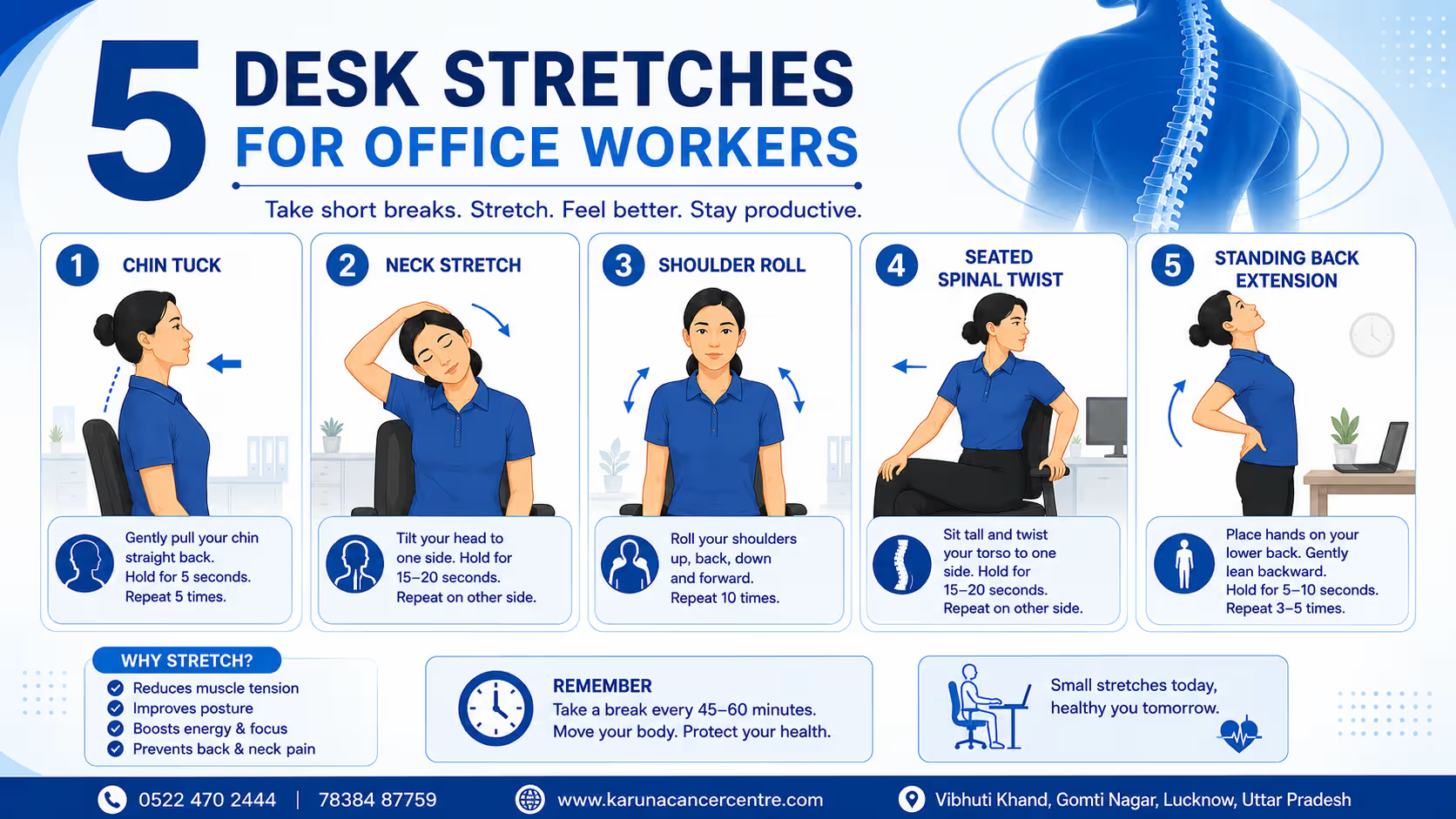
1. Chin Tuck
This exercise helps correct forward head posture.
How to do it:
- Sit upright.
- Pull your chin backward without looking down.
- Hold for 5 seconds.
- Repeat 10 times.
2. Shoulder Blade Squeeze
Ideal for reducing upper back stiffness.
How to do it:
- Sit tall.
- Pull both shoulder blades together.
- Hold for 5–10 seconds.
- Repeat 10 times.
3. Seated Spinal Rotation
Improves spinal mobility.
How to do it:
- Sit upright.
- Place one hand on the opposite knee.
- Rotate your upper body gently.
- Hold for 15 seconds on each side.
4. Standing Back Extension
Helpful after prolonged sitting.
How to do it:
- Stand upright.
- Place your hands on your hips.
- Lean backward gently.
- Hold for 5 seconds.
- Repeat 8–10 times.
5. Hamstring Stretch
Tight hamstrings often contribute to lower back discomfort.
How to do it:
- Extend one leg forward.
- Keep your back straight.
- Lean forward slightly from your hips.
- Hold for 20 seconds.
- Repeat on both sides.
Performing these stretches two or three times during the workday can help reduce stiffness and improve flexibility.
Common Mistakes That Put Extra Stress on Your Spine
Many daily habits seem harmless but gradually overload the spine.
Avoid these common mistakes:
- Sitting on the edge of your chair without back support.
- Crossing your legs for prolonged periods.
- Working on a laptop placed on your lap.
- Looking down at your phone for extended periods.
- Carrying a heavy bag on one shoulder every day.
- Driving for hours without taking breaks.
- Sleeping on an unsupportive mattress.
- Ignoring recurring back or neck pain.
Correcting these habits early is often easier than treating the complications they may cause later.
Spine Myths vs. Facts
| Myth | Fact |
| “Back pain only affects older adults.” | Poor posture and prolonged sitting can cause back pain even in young adults. |
| “Complete bed rest is the best treatment for back pain.” | In most cases, gentle movement and guided activity are more beneficial than prolonged bed rest. |
| “Good posture alone prevents spine problems.” | Posture is important, but regular movement, muscle strength, and ergonomics are equally essential. |
| “If the pain comes and goes, it’s nothing serious.” | Recurring pain should be evaluated, especially if it becomes more frequent or severe. |
| “Spine surgery is the only option for severe back pain.” | Many spinal conditions improve with medication, physiotherapy, lifestyle changes, or minimally invasive procedures when diagnosed early. |
When Should You See a Spine Specialist?
While mild muscle soreness may improve with rest and posture correction, certain symptoms require professional evaluation.
Consult a spine specialist if you experience:
- Back pain lasting longer than two weeks.
- Neck pain associated with numbness or tingling.
- Pain radiating down one or both legs.
- Weakness in the arms or legs.
- Difficulty walking or maintaining balance.
- Persistent pain after an injury or fall.
- Back pain that wakes you from sleep.
- Loss of bladder or bowel control along with back pain (requires immediate medical attention).
Ignoring these warning signs can delay diagnosis and allow certain spinal conditions to progress.
Expert Spine Care in Lucknow
If your work requires long hours of sitting and you’re experiencing persistent neck pain, lower back pain, sciatica, or symptoms suggestive of a slipped disc, it’s important to seek timely medical evaluation.
Dr. Akhilesh Kumar, recognized as one of the Best Spine Specialists in Lucknow, has extensive experience in diagnosing and managing a wide range of spinal disorders, including cervical spondylosis, lumbar disc prolapse, spinal stenosis, sciatica, spinal trauma, and degenerative spine diseases. His treatment approach focuses on identifying the root cause of symptoms and recommending individualized care, which may include lifestyle modification, medication, physiotherapy, minimally invasive procedures, or surgery when clinically indicated.
Early diagnosis often leads to better outcomes, faster recovery, and a greater chance of avoiding long-term complications.
Key Takeaways
Protecting your spine doesn’t require dramatic lifestyle changes—it requires consistent daily habits.
Remember these essentials:
- Keep your workstation ergonomically optimized.
- Avoid sitting continuously for long periods.
- Move every 30–45 minutes.
- Strengthen your core muscles.
- Stretch regularly during the day.
- Stay physically active outside working hours.
- Don’t ignore persistent pain or neurological symptoms.
Your spine supports you every day. Taking care of it today can help you stay active, productive, and pain-free for years to come.
