Introduction
Imagine having a normal conversation with your family when suddenly your speech becomes slurred, one side of your face starts drooping, and you cannot move your arm. Many people assume these symptoms will disappear on their own and decide to wait. Unfortunately, this delay can permanently damage the brain.
A brain stroke is one of the most serious medical emergencies. During a stroke, the blood supply to a part of the brain is interrupted or a blood vessel bursts, preventing brain cells from getting oxygen and nutrients. Without immediate treatment, brain cells begin to die within minutes.
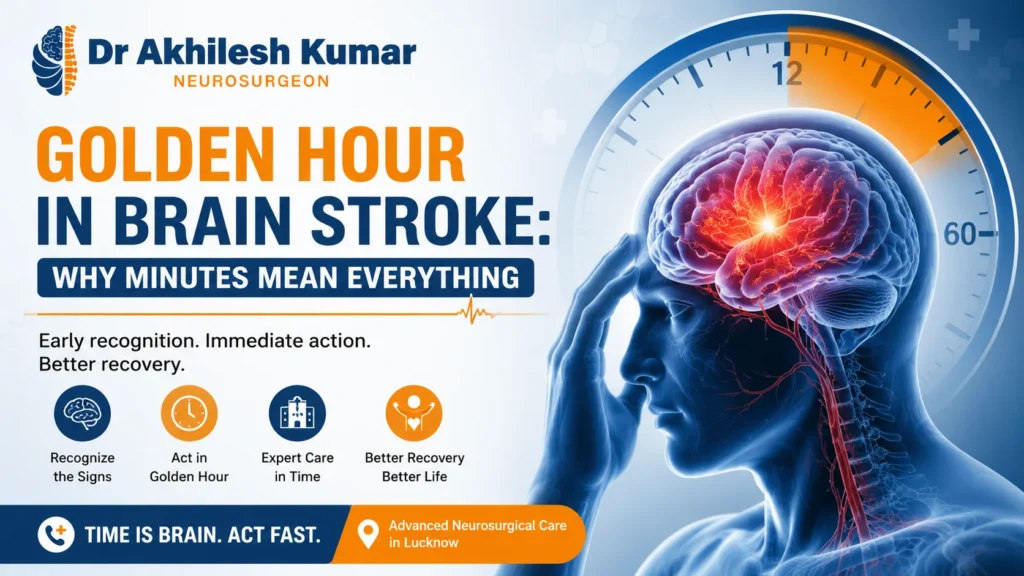
This is why doctors emphasize the importance of the Golden Hour—the first hour after stroke symptoms appear. Receiving prompt medical care during this critical period can save brain tissue, reduce disability, and significantly improve recovery.
According to medical research, nearly 1.9 million brain cells are lost every minute a stroke remains untreated. Every second counts, making early diagnosis and emergency treatment essential.
If you or a loved one experiences symptoms such as sudden weakness, facial drooping, difficulty speaking, or loss of balance, seek emergency medical attention immediately. Timely Brain Stroke Treatment in Lucknow provided by an experienced neurosurgical team can make the difference between a full recovery and lifelong disability.
In this article, we’ll explain what the Golden Hour means, why every minute matters, how to recognize stroke symptoms, and the treatment options available to help save lives.
What is a Brain Stroke?
A brain stroke, also known simply as a stroke, occurs when the blood supply to a part of the brain is suddenly interrupted. Without a constant supply of oxygen and nutrients, brain cells begin to die within minutes, making stroke a life-threatening medical emergency that requires immediate treatment.
The brain controls essential functions such as movement, speech, memory, vision, balance, and thinking. When blood flow is blocked or bleeding occurs inside the brain, these functions can be affected depending on the area involved.
A stroke can happen to anyone, regardless of age, although it is more common in older adults and people with conditions like high blood pressure, diabetes, heart disease, or high cholesterol. Lifestyle factors such as smoking, obesity, and physical inactivity also increase the risk.
The good news is that early recognition and timely medical intervention can significantly improve outcomes. Prompt diagnosis and Stroke Treatment can help minimize brain damage, preserve neurological function, and improve the chances of recovery.
How Does a Brain Stroke Occur?
A stroke usually happens due to one of the following reasons:
- A blood clot blocks an artery supplying the brain.
- A blood vessel inside the brain bursts and causes bleeding.
- Blood flow to brain tissue is reduced, leading to oxygen deprivation.
- Brain cells begin to die rapidly due to lack of oxygen.
Since brain tissue cannot regenerate easily, every minute without treatment increases the risk of permanent disability.
Types of Brain Stroke
There are two main types of brain stroke, and understanding the difference is important because the treatment approach depends on the type of stroke.
1. Ischemic Stroke
An ischemic stroke is the most common type, accounting for nearly 85% of all stroke cases.
It occurs when a blood clot or fatty deposit blocks an artery supplying blood to the brain. As a result, the affected brain tissue is deprived of oxygen and nutrients.
Common Causes
- Blood clots
- Narrowed arteries (Atherosclerosis)
- Heart rhythm disorders such as atrial fibrillation
- High cholesterol
Treatment
- Clot-busting medications (when appropriate)
- Mechanical thrombectomy (clot removal in selected patients)
- Blood-thinning medicines
- Rehabilitation
2. Hemorrhagic Stroke
A hemorrhagic stroke occurs when a blood vessel inside the brain ruptures, causing bleeding into or around the brain.
The leaked blood increases pressure inside the skull and damages surrounding brain tissue.
Common Causes
- Uncontrolled high blood pressure
- Brain aneurysm
- Arteriovenous malformations (AVMs)
- Head injury
- Blood clotting disorders
Treatment
- Emergency stabilization
- Blood pressure control
- Surgery (if required)
- Intensive care monitoring
- Rehabilitation
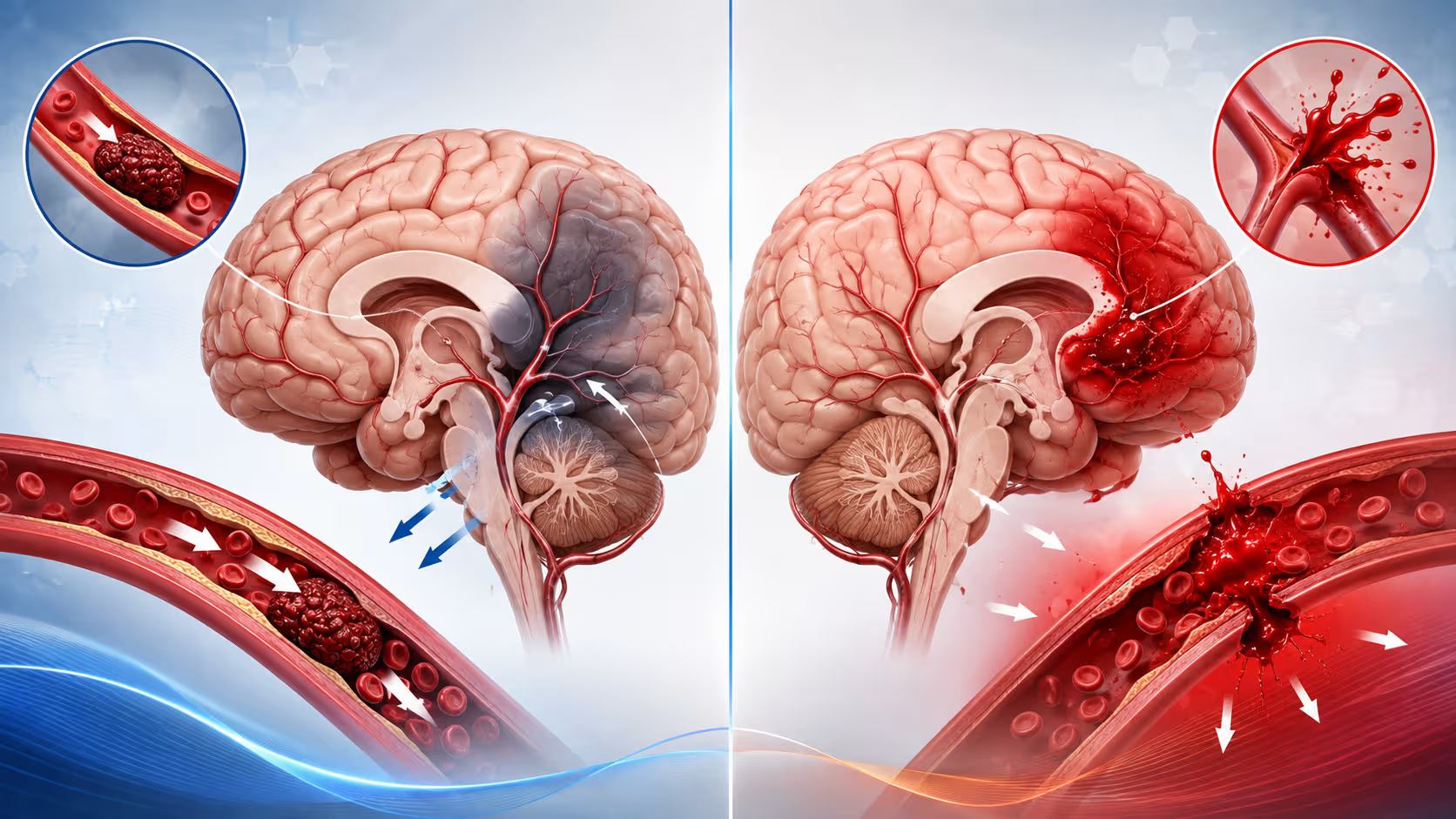
Chart: Types of Brain Stroke
| Feature | Ischemic Stroke | Hemorrhagic Stroke |
|---|---|---|
| Cause | Blocked blood vessel | Ruptured blood vessel |
| Percentage of Cases | Approximately 85% | Approximately 15% |
| Blood Flow | Blocked | Bleeding into the brain |
| Emergency Treatment | Clot-dissolving medication or clot removal | Bleeding control and possible surgery |
| Main Goal | Restore blood flow quickly | Stop bleeding and reduce brain pressure |
Key Takeaway: Although ischemic stroke is more common, both types require immediate emergency medical attention. Delaying treatment can lead to permanent brain damage.
What is the Golden Hour in Brain Stroke?
The Golden Hour refers to the first 60 minutes after the onset of stroke symptoms. This is the most critical period because the chances of saving brain tissue and preventing permanent disability are highest when treatment begins immediately.
During this time, doctors can quickly assess the patient using neurological examinations and brain imaging, identify the type of stroke, and start the most appropriate treatment without delay.
Many people mistakenly believe that stroke symptoms will disappear on their own. Unfortunately, every minute spent waiting results in the loss of millions of brain cells.
Why is the Golden Hour So Important?
Early treatment during the Golden Hour can:
- Save healthy brain tissue
- Reduce the severity of brain damage
- Improve speech and movement recovery
- Lower the risk of permanent disability
- Increase the chances of returning to normal life
- Improve overall survival
This is why emergency evaluation and Brain Stroke should begin as soon as symptoms appear.
Remember: In stroke care, “Time is Brain.” The sooner treatment starts, the better the chances of recovery.
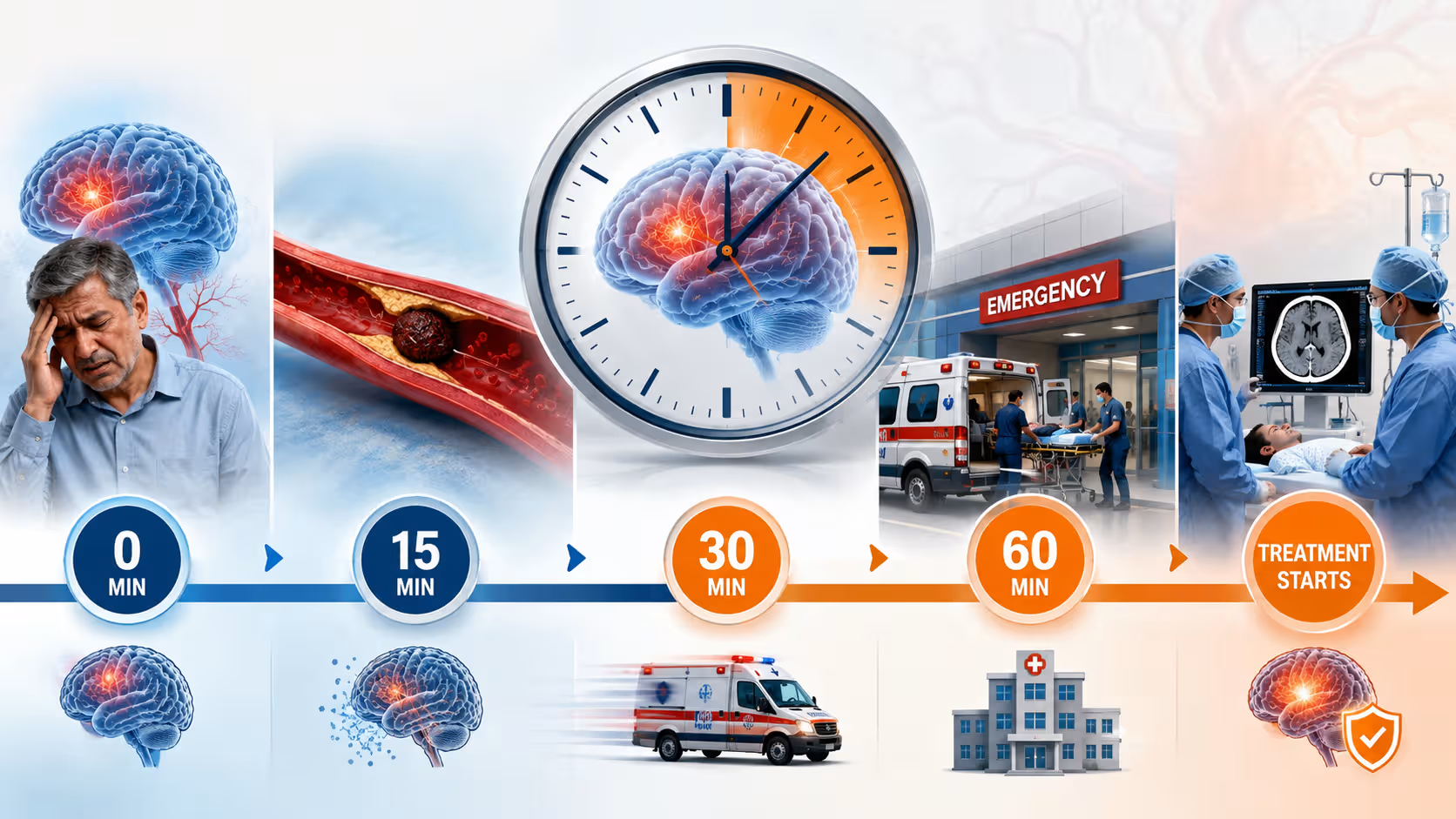
Why Every Minute Matters During a Stroke
Unlike many other medical conditions, brain stroke causes damage every single minute treatment is delayed.
Medical experts estimate that an untreated stroke destroys approximately:
- 1.9 million brain cells every minute
- 14 billion neural connections (synapses) every minute
- Around 12 kilometers of nerve fibers every hour
As brain cells die, the affected person may permanently lose important functions such as speech, movement, memory, coordination, or vision.
The earlier blood flow is restored, the more brain tissue can be preserved.
What Happens If Treatment is Delayed?
Delayed treatment may lead to:
- Permanent paralysis
- Speech impairment
- Difficulty swallowing
- Memory problems
- Vision loss
- Long-term disability
- Increased risk of death
This is why patients should never wait to “see if symptoms improve.” Immediate evaluation by an experienced stroke team and the Neurosurgeon in Lucknow can significantly improve the chances of recovery.
Chart: Brain Damage Timeline During Stroke
| Time After Symptoms Begin | What Happens Inside the Brain | Medical Priority |
|---|---|---|
| 0–15 Minutes | Brain cells begin losing oxygen | Call emergency services immediately |
| 15–60 Minutes (Golden Hour) | Maximum opportunity to save brain tissue | Immediate hospital evaluation and brain imaging |
| 1–3 Hours | Brain damage progresses rapidly | Emergency stroke treatment should continue without delay |
| 3–4.5 Hours | Some patients may still be eligible for clot-busting medication | Specialist assessment is essential |
| Beyond 6 Hours | Advanced procedures may still help selected patients | Comprehensive stroke center evaluation |
| Beyond 24 Hours | Higher risk of permanent disability and complications | Rehabilitation and supportive care become increasingly important |
Clinical Insight: The faster a patient reaches a stroke-ready hospital, the greater the chance of preserving brain function and reducing long-term disability.
Common Symptoms of Brain Stroke
One of the biggest reasons stroke becomes life-threatening is that many people fail to recognize its early warning signs. Some symptoms may appear suddenly and disappear within a few minutes, leading people to ignore them. However, even temporary symptoms can indicate a serious stroke or a Transient Ischemic Attack (TIA), often called a “mini-stroke.”
A stroke can affect different parts of the brain, so the symptoms vary from person to person. The key is to remember that stroke symptoms usually appear suddenly.
Common Warning Signs of a Brain Stroke
If you notice any of the following symptoms in yourself or someone nearby, seek emergency medical care immediately:
- Sudden weakness or numbness in the face, arm, or leg, especially on one side of the body
- Facial drooping or an uneven smile
- Difficulty speaking or slurred speech
- Trouble understanding what others are saying
- Sudden loss of vision in one or both eyes
- Blurred or double vision
- Sudden dizziness or loss of balance
- Difficulty walking or coordinating movements
- Severe headache with no known cause (more common in hemorrhagic stroke)
- Sudden confusion or altered consciousness
- Difficulty swallowing
- Loss of coordination or unexplained falls
Important: Stroke symptoms usually develop suddenly—not gradually. Even if the symptoms disappear after a few minutes, they should never be ignored.
Who Is More Likely to Miss Stroke Symptoms?
Certain patients often delay treatment because they mistake stroke symptoms for fatigue, low blood sugar, stress, or aging.
This commonly happens in:
- Older adults living alone
- People with diabetes
- Patients with uncontrolled high blood pressure
- Individuals with a history of previous stroke
- People who wake up with stroke symptoms
- Family members who assume the symptoms will improve on their own
Remember: Waiting at home can cost valuable brain function. Early Brain Stroke Treatment in Lucknow offers the best chance of recovery.
The FAST Test: A Simple Way to Recognize Stroke Quickly
Healthcare professionals worldwide recommend the FAST Test because it helps identify stroke symptoms within seconds. Everyone should know this simple method—it can save a life.
F – Face Drooping
Ask the person to smile.
Look for:
- One side of the face drooping
- Uneven smile
- Difficulty moving facial muscles
- Numbness on one side of the face
If the smile looks uneven, it could be a sign of a stroke.
A – Arm Weakness
Ask the person to raise both arms.
Watch for:
- One arm drifting downward
- Inability to lift one arm
- Sudden weakness or numbness
- Loss of grip strength
Weakness on one side of the body is one of the most common signs of a stroke.
S – Speech Difficulty
Ask the person to repeat a simple sentence, such as:
“Today is a beautiful day.”
Warning signs include:
- Slurred speech
- Difficulty finding words
- Speaking incoherently
- Inability to understand simple instructions
Speech problems often appear suddenly during a stroke.
T – Time to Call Emergency Services
If you notice any one of the above signs:
- Call emergency medical services immediately.
- Do not wait to see if the symptoms improve.
- Note the exact time when symptoms started (or when the person was last known to be normal).
- Reach the nearest stroke-ready hospital without delay.
The sooner treatment begins, the greater the chances of preserving brain function.
FAST Test Summary Table
| Letter | What to Check | Possible Stroke Sign |
|---|---|---|
| F | Face | One side drooping or uneven smile |
| A | Arm | Weakness or inability to raise one arm |
| S | Speech | Slurred or confused speech |
| T | Time | Call emergency services immediately |
Pro Tip: Save the FAST Test on your phone or share it with your family. Recognizing these signs quickly can make a life-saving difference.
What Should You Do During the Golden Hour?
The first hour after stroke symptoms begin is critical. Staying calm and acting quickly can improve the patient’s chances of recovery.
Follow these steps immediately:
Step 1: Call Emergency Medical Services
Do not try to diagnose the condition at home.
Call emergency services immediately if stroke is suspected.
Step 2: Note the Time Symptoms Started
Doctors need to know:
- When symptoms first appeared.
- When the patient was last seen behaving normally.
This information helps determine the most appropriate treatment.
Step 3: Keep the Patient Calm and Safe
- Help them sit or lie down safely.
- Loosen tight clothing if needed.
- Keep the head slightly elevated if they are awake.
- Reassure them while waiting for medical help.
Step 4: Do Not Give Food, Water, or Medication
A stroke can affect swallowing, increasing the risk of choking.
Avoid giving:
- Food
- Water
- Tea or coffee
- Home remedies
- Medicines (including aspirin) unless advised by a doctor
Step 5: Monitor the Patient
While waiting for medical help:
- Observe breathing.
- Watch for changes in consciousness.
- Stay with the patient.
- Be prepared to provide symptom details to healthcare providers.
Step 6: Reach a Stroke-Ready Hospital Immediately
Patients should be taken to a hospital equipped to provide emergency stroke evaluation and treatment.
Timely Brain Stroke Treatment in Lucknow may include rapid imaging, clot-dissolving medication (when appropriate), minimally invasive clot removal procedures, or emergency neurosurgical care, depending on the type of stroke.
What NOT to Do During a Brain Stroke
Many well-meaning actions can unintentionally delay treatment or worsen the patient’s condition.
Avoid these common mistakes:
❌ Do not wait for symptoms to improve.
❌ Do not let the patient sleep.
❌ Do not drive long distances if emergency medical services are available.
❌ Do not give aspirin unless a doctor confirms the type of stroke.
❌ Do not offer food, water, or alcohol.
❌ Do not massage the patient’s arms or legs.
❌ Do not rely on home remedies or herbal treatments.
❌ Do not assume the symptoms are due to stress or fatigue.
❌ Do not ignore symptoms that disappear after a few minutes, as they may indicate a Transient Ischemic Attack (TIA), which requires urgent medical evaluation.
Remember: Every minute of delay increases the risk of permanent brain injury.
Brain Stroke Treatment in Lucknow
Modern stroke care has advanced significantly, and many patients can achieve better outcomes when they receive treatment promptly at a well-equipped medical center.
The treatment plan depends on several factors, including:
- The type of stroke (ischemic or hemorrhagic)
- The severity of symptoms
- The patient’s overall health
- The time elapsed since symptom onset
Early evaluation by an experienced neurosurgical and stroke care team is essential to determine the most appropriate treatment.
Emergency Stroke Assessment
Before treatment begins, doctors typically perform:
- Detailed neurological examination
- CT Scan of the brain
- MRI Brain (if required)
- CT or MR Angiography
- Blood tests
- Blood pressure monitoring
- ECG and heart evaluation
These investigations help identify the cause of the stroke and guide treatment decisions.
Thrombolysis (Clot-Dissolving Medication)
For selected patients with an ischemic stroke, doctors may administer clot-dissolving medication within the recommended treatment window after careful evaluation.
Benefits
- Restores blood flow to the brain
- Reduces brain damage
- Improves the chances of recovery
- May reduce long-term disability
Eligibility depends on several medical factors, so rapid hospital evaluation is crucial.
Mechanical Thrombectomy
Some patients with large artery blockages may benefit from mechanical thrombectomy, a minimally invasive procedure in which specialists remove the blood clot using advanced catheter-based techniques.
This procedure may be recommended after brain imaging confirms a suitable blockage and the patient meets established medical criteria.
Treatment for Hemorrhagic Stroke
When a stroke is caused by bleeding in the brain, treatment focuses on:
- Controlling the bleeding
- Managing blood pressure
- Reducing pressure inside the skull
- Treating the underlying cause
- Preventing further complications
In some cases, surgery may be required to remove accumulated blood or repair the affected blood vessel.
Stroke ICU Care
Many stroke patients require close monitoring in a specialized Stroke ICU.
This may include:
- Continuous neurological monitoring
- Blood pressure control
- Oxygen therapy (when needed)
- Blood sugar management
- Prevention of complications such as infections or blood clots
Stroke Rehabilitation
Recovery does not end after emergency treatment.
A comprehensive rehabilitation program may involve:
- Physiotherapy to improve strength and movement
- Occupational therapy to regain daily living skills
- Speech and language therapy for communication and swallowing difficulties
- Psychological support for emotional well-being
- Nutritional guidance to support overall recovery
Starting rehabilitation early can improve long-term outcomes and help patients regain independence.
Why Early Treatment Matters
Receiving prompt Brain Stroke Treatment can:
- Reduce the extent of brain damage
- Improve survival rates
- Lower the risk of permanent disability
- Increase the likelihood of returning to daily activities
- Improve quality of life after recovery
If you or a loved one experiences sudden stroke symptoms, do not delay. Immediate medical evaluation by an experienced stroke care team and the Best Neurosurgeon in Lucknow can significantly improve the chances of a successful recovery.
Who Is at Higher Risk of Brain Stroke?
Although a brain stroke can affect anyone, certain health conditions and lifestyle habits significantly increase the risk. Knowing these risk factors allows you to take preventive steps before a stroke occurs.
High Blood Pressure (Hypertension)
High blood pressure is the leading cause of brain stroke. It damages blood vessels over time, making them more likely to become blocked or rupture.
Diabetes
Uncontrolled blood sugar damages blood vessels and increases the risk of clot formation, making stroke more likely.
High Cholesterol
Excess cholesterol can build up inside arteries, narrowing them and reducing blood flow to the brain.
Heart Diseases
Conditions such as atrial fibrillation (AF), heart valve disorders, and previous heart attacks increase the likelihood of blood clots reaching the brain.
Smoking
Smoking damages blood vessels, raises blood pressure, and promotes clot formation.
Excessive Alcohol Consumption
Heavy alcohol intake can increase blood pressure and raise the risk of both ischemic and hemorrhagic stroke.
Obesity
Being overweight is associated with hypertension, diabetes, and high cholesterol, all of which increase stroke risk.
Physical Inactivity
A sedentary lifestyle contributes to poor cardiovascular health and increases the likelihood of stroke.
Family History
People with a close family history of stroke may have a higher risk due to genetic and lifestyle factors.
Age
Although strokes can occur at any age, the risk generally increases after 55 years.
Risk Factor Checklist
| Risk Factor | Can It Be Controlled? |
|---|---|
| High Blood Pressure | ✅ Yes |
| Diabetes | ✅ Yes |
| High Cholesterol | ✅ Yes |
| Smoking | ✅ Yes |
| Obesity | ✅ Yes |
| Physical Inactivity | ✅ Yes |
| Heart Disease | Partially |
| Family History | ❌ No |
| Increasing Age | ❌ No |
Good News: Most stroke risk factors are manageable through healthy lifestyle changes and regular medical check-ups.
How to Prevent a Brain Stroke
While not every stroke can be prevented, adopting healthy habits can significantly reduce your risk.
Maintain Healthy Blood Pressure
Regularly monitor your blood pressure and follow your doctor’s advice regarding medication and lifestyle changes.
Keep Diabetes Under Control
Maintain healthy blood sugar levels through:
- Balanced diet
- Regular exercise
- Medication as prescribed
- Routine health check-ups
Eat a Heart-Healthy Diet
Include:
- Green leafy vegetables
- Fresh fruits
- Whole grains
- Lentils and beans
- Nuts and seeds
- Fish (if appropriate)
- Low-fat dairy products
Limit:
- Processed foods
- Excess salt
- Sugary drinks
- Deep-fried foods
- Saturated and trans fats
Exercise Regularly
Aim for at least 150 minutes of moderate physical activity per week, unless your doctor advises otherwise.
Examples include:
- Brisk walking
- Cycling
- Swimming
- Yoga
- Light strength training
Quit Smoking
Stopping smoking can significantly reduce your stroke risk over time.
Limit Alcohol Consumption
If you drink alcohol, do so in moderation and discuss safe limits with your healthcare provider.
Maintain a Healthy Weight
Achieving and maintaining a healthy body weight reduces the risk of high blood pressure, diabetes, and heart disease.
Manage Stress
Chronic stress may contribute to unhealthy habits and elevated blood pressure. Consider:
- Meditation
- Deep breathing exercises
- Adequate sleep
- Hobbies
- Spending time with family
Schedule Regular Health Check-ups
Routine medical examinations can help detect:
- High blood pressure
- Diabetes
- High cholesterol
- Heart rhythm disorders
Early diagnosis allows timely treatment and lowers the risk of stroke.
Recovery After a Brain Stroke
Recovery from a stroke is a gradual process, and every patient’s journey is unique. The extent of recovery depends on factors such as the type of stroke, the area of the brain affected, the severity of damage, and how quickly treatment was started.
Many patients experience significant improvement with timely medical care and a structured rehabilitation program.
What Does Stroke Recovery Involve?
Recovery often requires a multidisciplinary approach that may include:
Physiotherapy
Helps improve:
- Muscle strength
- Balance
- Walking ability
- Coordination
Occupational Therapy
Supports patients in regaining independence in daily activities such as:
- Dressing
- Eating
- Bathing
- Writing
- Household tasks
Speech and Language Therapy
Recommended for patients who experience:
- Difficulty speaking
- Difficulty understanding language
- Swallowing problems
Psychological Support
Many stroke survivors experience:
- Anxiety
- Depression
- Emotional changes
Counseling and family support can play an important role in recovery.
Lifestyle Modification
Patients are encouraged to:
- Follow prescribed medications
- Control blood pressure and diabetes
- Eat a healthy diet
- Stay physically active (as advised)
- Avoid smoking and excessive alcohol
Stroke Recovery Timeline
| Time After Stroke | Recovery Goals |
|---|---|
| First 24 Hours | Stabilize the patient and prevent complications |
| First Week | Begin early rehabilitation if medically appropriate |
| 1–3 Months | Improve movement, speech, and daily functioning |
| 3–6 Months | Continue rehabilitation and regain independence |
| Beyond 6 Months | Long-term recovery and prevention of future strokes |
Recovery Tip: Early treatment combined with consistent rehabilitation offers the best chance of improving quality of life.
When Should You Consult a Neurosurgeon?
Some stroke patients require specialized neurosurgical evaluation, particularly when the stroke is caused by bleeding, swelling, or a large blood vessel blockage.
Seek immediate medical attention if you experience:
- Sudden weakness or numbness on one side of the body
- Difficulty speaking or understanding speech
- Sudden vision loss
- Severe, unexplained headache
- Loss of consciousness
- Difficulty walking or maintaining balance
- Recurrent mini-strokes (TIAs)
If you notice any of these symptoms, do not wait. Early evaluation by the Best Neurosurgeon in Lucknow can help determine the cause and guide appropriate treatment.
Why Choose Dr. Akhilesh Kumar for Brain Stroke Treatment in Lucknow?
Choosing the right specialist is an important part of stroke care. Patients should seek treatment from a qualified neurosurgeon with experience in evaluating and managing brain emergencies.
Dr. Akhilesh Kumar is committed to providing comprehensive neurosurgical care with a patient-centered approach.
Stroke Care Approach
- Comprehensive neurological evaluation
- Prompt diagnosis using advanced imaging
- Evidence-based treatment planning
- Management of ischemic and hemorrhagic strokes
- Surgical care when indicated
- Post-stroke rehabilitation guidance
- Personalized follow-up and long-term care
If you or your loved one develops sudden stroke symptoms, seeking timely Brain Stroke Treatment in Lucknow can improve the chances of recovery and reduce the risk of long-term disability.
Frequently Asked Questions
1. What is the Golden Hour in a brain stroke?
The Golden Hour refers to the first hour after stroke symptoms begin. Receiving immediate medical care during this period offers the best chance of reducing brain damage and improving recovery.
2. What are the first warning signs of a brain stroke?
Common warning signs include facial drooping, arm weakness, slurred speech, sudden numbness, severe headache, vision changes, dizziness, and loss of balance.
3. Can a brain stroke be cured if treatment is delayed?
Some treatments may still be possible depending on the type of stroke and the time since symptoms began. However, delaying treatment increases the risk of permanent brain damage and disability. Immediate medical evaluation is essential.
4. Who should consult the Best Neurosurgeon in Lucknow after a stroke?
Anyone with suspected stroke symptoms, recurrent mini-strokes (TIAs), brain bleeding, or complex neurological conditions should seek prompt evaluation by a qualified neurosurgeon.
5. Can a person recover completely after a brain stroke?
Recovery varies from person to person. Early diagnosis, timely treatment, and a structured rehabilitation program can significantly improve recovery and help many patients regain independence.
Conclusion
A brain stroke is a true medical emergency where every minute matters. The first hour, known as the Golden Hour, offers the greatest opportunity to protect brain tissue, reduce complications, and improve long-term recovery.
Recognizing the warning signs early, acting without delay, and reaching a stroke-ready hospital can make a life-changing difference. Never ignore sudden weakness, facial drooping, speech difficulty, or loss of balance—even if the symptoms seem mild or disappear quickly.
If you or someone you know experiences symptoms of a stroke, seek emergency medical care immediately. Prompt Brain Stroke Treatment in Lucknow and evaluation by the Neurosurgeon in Lucknow can help ensure timely diagnosis and appropriate treatment.
Remember, Time is Brain. Acting fast today can help protect a life tomorrow.
Don’t Wait—Every Minute Counts!
If you notice sudden weakness, facial drooping, slurred speech, or any other signs of a brain stroke, seek emergency medical attention immediately.
For expert evaluation and comprehensive Brain Stroke Treatment in Lucknow, consult Dr. Akhilesh Kumar, an experienced neurosurgeon dedicated to providing timely, evidence-based care for patients with neurological emergencies.
Early action can reduce the risk of permanent disability and improve the chances of a better recovery.
