
Epilepsy is a neurological condition that can affect people of all ages. It causes recurrent seizures due to abnormal electrical activity in the brain. With major advances in neurology, neuroimaging, anti-seizure medicines, epilepsy surgery, and neurostimulation, many patients today can achieve good seizure control and lead active, independent lives.
If you or a loved one experiences recurrent seizures, getting an accurate diagnosis and timely treatment is essential. Consulting an experienced best neurology doctor in India can help identify the type and cause of epilepsy and create an individualized treatment plan.
Dr. Akhilesh Kumar provides neurological and neurosurgical evaluation for patients requiring advanced assessment and treatment planning. Patients looking for specialized neurological care may also search for a best neurosurgeon in Lucknow, especially when epilepsy surgery or another neurosurgical procedure is being considered.
What Is Epilepsy?
Epilepsy is a chronic neurological disorder characterized by a tendency to have recurrent unprovoked seizures. A seizure can affect movement, awareness, behaviour, sensations, or consciousness depending on the area of the brain involved.
Not every seizure means a person has epilepsy. For example, seizures caused by very low blood sugar, certain infections, or acute medical problems may have a different underlying cause.
A proper evaluation is therefore important before starting long-term treatment.
Common Causes of Epilepsy
The cause of epilepsy can vary from person to person. Some common causes include:
- Head injury
- Stroke
- Brain infections
- Brain tumours or structural abnormalities
- Genetic factors
- Developmental conditions
- Birth-related brain injury
- Previous brain surgery or trauma
- Unknown causes
Modern diagnostic tools can help doctors identify structural or functional abnormalities that may be responsible for seizures.
Modern Diagnosis: The First Step Toward Effective Treatment
The success of epilepsy treatment depends heavily on identifying the correct seizure type and underlying cause.
A neurological evaluation may include:
1. Detailed Clinical History
The doctor may ask about:
- What happens before, during, and after a seizure
- Duration and frequency of episodes
- Loss of consciousness
- Body movements
- Memory problems or confusion
- Family history
- Previous head injuries or illnesses
A video recorded safely by a family member during an episode can sometimes provide useful information for the treating doctor.
2. EEG
An electroencephalogram, or EEG, records electrical activity in the brain and can help identify abnormal patterns associated with certain types of epilepsy.
3. MRI Brain
A high-quality MRI can identify structural causes such as scars, developmental abnormalities, vascular problems, or other brain lesions.
4. Advanced Epilepsy Evaluation
In selected patients, particularly those with difficult-to-control seizures, additional investigations may be required. These can include prolonged video EEG monitoring and other specialized assessments to determine whether a patient may benefit from surgery or advanced therapies.
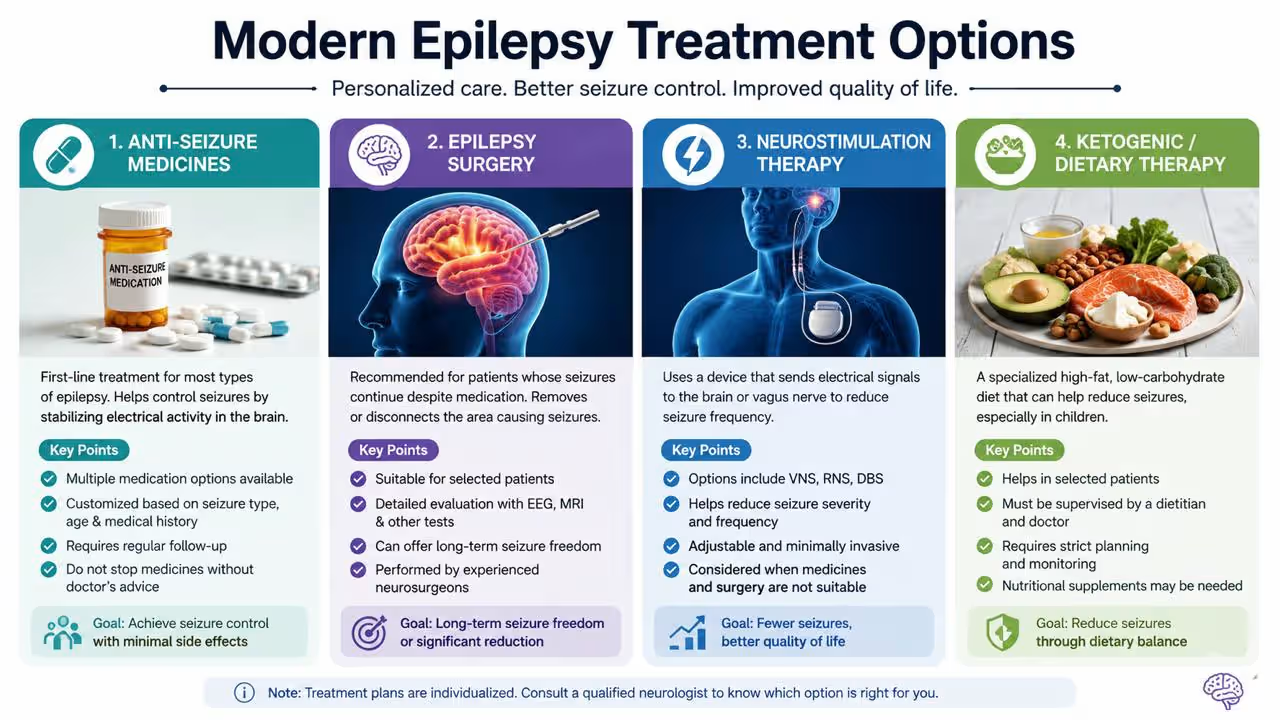
Best Epilepsy Treatment in India: Modern Treatment Options
India now has access to many advanced epilepsy treatment approaches. The right treatment depends on the patient’s seizure type, age, medical history, underlying cause, and response to previous medicines.
Anti-Seizure Medicines
Medication is usually the first-line treatment for epilepsy. Modern anti-seizure medicines can help control seizures in many patients.
The doctor selects medication based on factors such as:
- Type of seizure
- Age of the patient
- Pregnancy considerations
- Other medical conditions
- Possible drug interactions
- Side effects
- Lifestyle and daily activities
It is important not to stop anti-seizure medication suddenly without medical advice, as this may increase the risk of seizures.
Epilepsy Surgery
Some patients continue to experience seizures despite appropriate medication. In selected cases, epilepsy surgery may be considered.
Surgery may be useful when doctors can identify a specific area of the brain responsible for seizures and determine that treatment can be performed safely.
Depending on the condition, surgical options may include:
- Resective epilepsy surgery
- Laser-based procedures in selected settings
- Disconnective procedures
- Other specialized neurosurgical approaches
This is where collaboration between an experienced neurologist or another specialized epilepsy surgery centre can become important.
Neurostimulation
Neurostimulation is another modern approach for selected patients with drug-resistant epilepsy.
Depending on availability and suitability, treatment may involve devices that help modify abnormal electrical activity in the nervous system.
These therapies are generally considered after detailed specialist evaluation.
Dietary Therapy
Certain dietary approaches, including the ketogenic diet, may be considered for selected patients, particularly some children and individuals with specific epilepsy syndromes.
Dietary treatment should be medically supervised because nutritional requirements and potential side effects need careful monitoring.
Drug-Resistant Epilepsy: When Medicines Are Not Enough
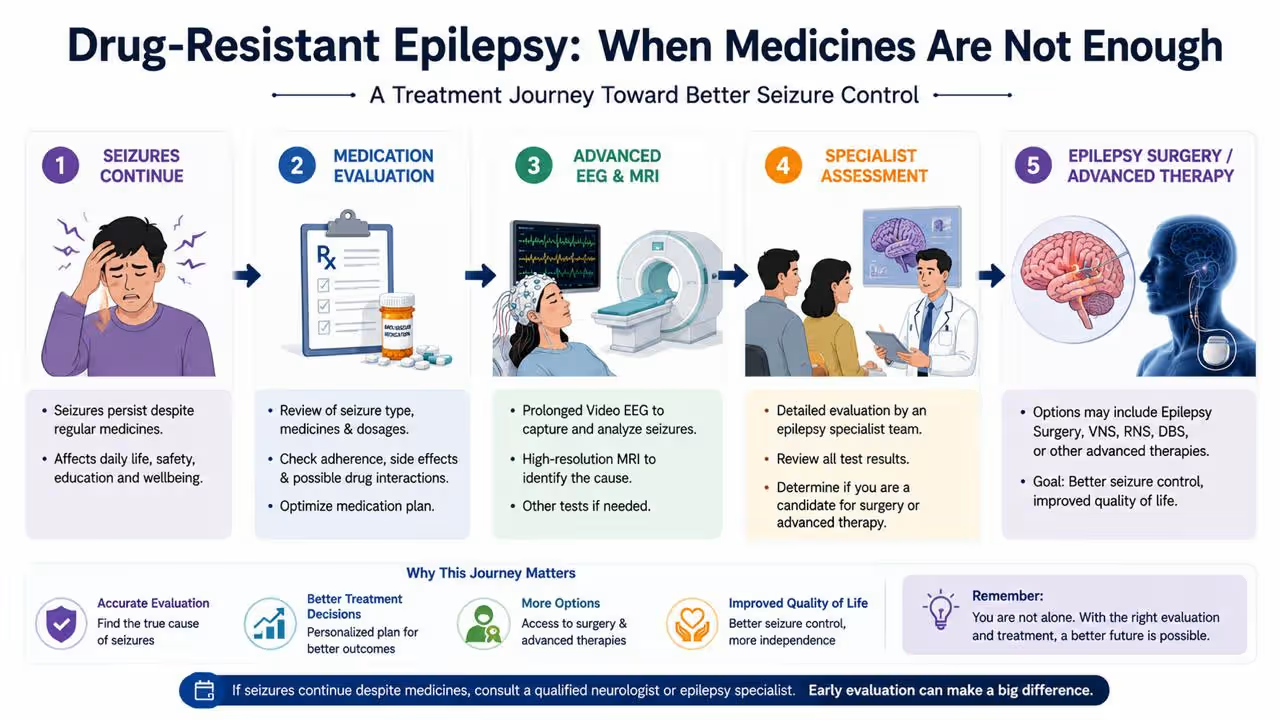
Drug-resistant epilepsy is generally considered when seizures continue despite adequate trials of appropriate anti-seizure medications.
Patients with persistent seizures should not assume that there are no further treatment options.
A comprehensive epilepsy evaluation may help determine whether the patient could benefit from:
- Advanced medication strategies
- Video EEG monitoring
- High-resolution brain imaging
- Epilepsy surgery
- Neurostimulation
- Dietary therapy
- Multidisciplinary epilepsy care
Consulting a specialist or best neurology doctor in India can help patients understand the next appropriate step.
What Are the Success Rates of Epilepsy Treatment?
Epilepsy treatment success cannot be described with one universal percentage because outcomes depend on several factors.
These include:
- The type of epilepsy
- The underlying cause
- The location of seizure activity in the brain
- Age of the patient
- Response to medication
- Accuracy of diagnosis
- Whether the patient is suitable for surgery
- Presence of other neurological conditions
Many people achieve good seizure control with appropriate anti-seizure medication. However, some patients may continue to have seizures and require advanced evaluation.
For carefully selected patients with drug-resistant epilepsy, surgery may offer a significant reduction in seizures and, in some cases, long-term seizure freedom. However, outcomes vary depending on the procedure and the patient’s individual condition.
For this reason, patients should be cautious about clinics or websites promising a guaranteed epilepsy cure or a fixed success rate for every patient.
Advances Improving Epilepsy Treatment
Better Brain Imaging
Modern MRI techniques can improve the identification of structural abnormalities associated with seizures.
Prolonged Video EEG Monitoring
Video EEG can help doctors correlate clinical seizure events with electrical activity in the brain.
Personalized Medication Selection
Doctors can increasingly tailor medication choices according to seizure type, patient characteristics, potential side effects, and other health conditions.
Advanced Surgical Planning
Detailed imaging and functional assessments can help specialists plan procedures more precisely for suitable patients.
Neurostimulation Technologies
Advanced stimulation therapies may provide additional treatment options for selected patients who are not suitable candidates for conventional epilepsy surgery.
Why Early Epilepsy Treatment Matters
Repeated uncontrolled seizures can affect education, employment, driving eligibility, safety, mental wellbeing, and overall quality of life.
Early specialist consultation can help:
- Identify the correct seizure type
- Rule out other conditions
- Start appropriate treatment
- Reduce the risk of seizure-related injuries
- Identify drug-resistant epilepsy earlier
- Refer suitable patients for advanced treatment
If seizures continue despite treatment, a second opinion or evaluation at a specialized epilepsy centre may be beneficial.
When Should You Consult a Neurology Specialist?
Seek urgent medical attention for a first seizure or an emergency situation, especially when a seizure is prolonged, repeated without recovery, associated with injury, breathing difficulty, pregnancy, or another serious medical concern.
For ongoing seizure problems, consultation with a best neurologist can help establish an accurate diagnosis and treatment strategy.
Dr. Akhilesh Kumar can evaluate patients with neurological concerns and guide appropriate investigation, medical management, or referral for specialized treatment when required. For patients in Uttar Pradesh, searching for a best neurosurgeon in Lucknow may also be relevant when a detailed neurosurgical opinion is needed.
Living Well With Epilepsy
Along with medical treatment, certain lifestyle measures may help reduce avoidable seizure triggers in some people.
Patients should:
- Take medicines exactly as prescribed
- Avoid stopping medication without medical advice
- Get adequate sleep
- Manage stress
- Avoid known personal seizure triggers
- Limit activities that may be dangerous during uncontrolled seizures
- Attend regular follow-up appointments
Family members should also learn basic seizure first aid.
During a seizure, stay calm, protect the person from injury, and do not put anything in their mouth. Emergency medical help may be needed in certain situations, including prolonged or repeated seizures.
Conclusion
The best epilepsy treatment in India is not the same for every patient. Effective treatment begins with an accurate diagnosis, identification of the seizure type, and a personalized treatment plan.
Modern advances in EEG monitoring, MRI, anti-seizure medicines, epilepsy surgery, neurostimulation, and multidisciplinary care have created more options for people with difficult-to-control epilepsy.
For patients seeking guidance from a best neurologist, timely specialist consultation can help determine the most appropriate next step. Dr. Akhilesh Kumar provides neurological and neurosurgical evaluation for patients requiring specialized care. Individuals who require surgical assessment may also benefit from consultation with an experienced best neurosurgeon in Lucknow.
Early diagnosis, regular follow-up, and the right treatment strategy can make a meaningful difference in seizure control and quality of life.
Frequently Asked Questions About Epilepsy Treatment
1. What is the best treatment for epilepsy in India?
The best treatment depends on the type and cause of epilepsy. Options may include anti-seizure medicines, dietary therapy, epilepsy surgery, or neurostimulation for selected patients.
2. Can epilepsy be completely cured?
Some patients can become seizure-free, while others require long-term treatment. The outcome depends on the type and cause of epilepsy and the patient’s response to treatment.
3. How successful are epilepsy medicines?
Many patients achieve good seizure control with appropriately selected anti-seizure medicines. However, treatment response varies from person to person.
4. When is epilepsy surgery recommended?
Epilepsy surgery may be considered for selected patients whose seizures continue despite appropriate medication and who have undergone detailed specialist evaluation.
5. Who should consider a second opinion for epilepsy?
A second opinion may be useful when seizures remain uncontrolled, the diagnosis is uncertain, medication causes significant side effects, or surgery or advanced treatment is being considered.
6. Can children undergo epilepsy treatment?
Yes. Children with epilepsy can receive specialized treatment based on their seizure type, age, developmental needs, and underlying condition.
7. What tests are used to diagnose epilepsy?
Common tests include a neurological examination, EEG, MRI brain, blood tests when appropriate, and prolonged video EEG monitoring in selected cases.
8. Can stress trigger seizures?
Stress may act as a trigger for some people with epilepsy, although triggers vary between individuals.
9. Should epilepsy medicines be stopped after seizures are controlled?
Medicines should never be stopped without medical advice. A neurologist can determine whether medication reduction or discontinuation is appropriate.
10. How do I choose the best neurology doctor in India for epilepsy?
Look for a qualified specialist with experience in neurological disorders and access to appropriate diagnostic facilities. For complex or drug-resistant epilepsy, experience with advanced epilepsy evaluation and multidisciplinary care is particularly important.
Medical Disclaimer: This article is for general educational purposes and should not replace professional medical advice, diagnosis, or treatment. Epilepsy treatment decisions should always be made after consultation with a qualified healthcare professional.
