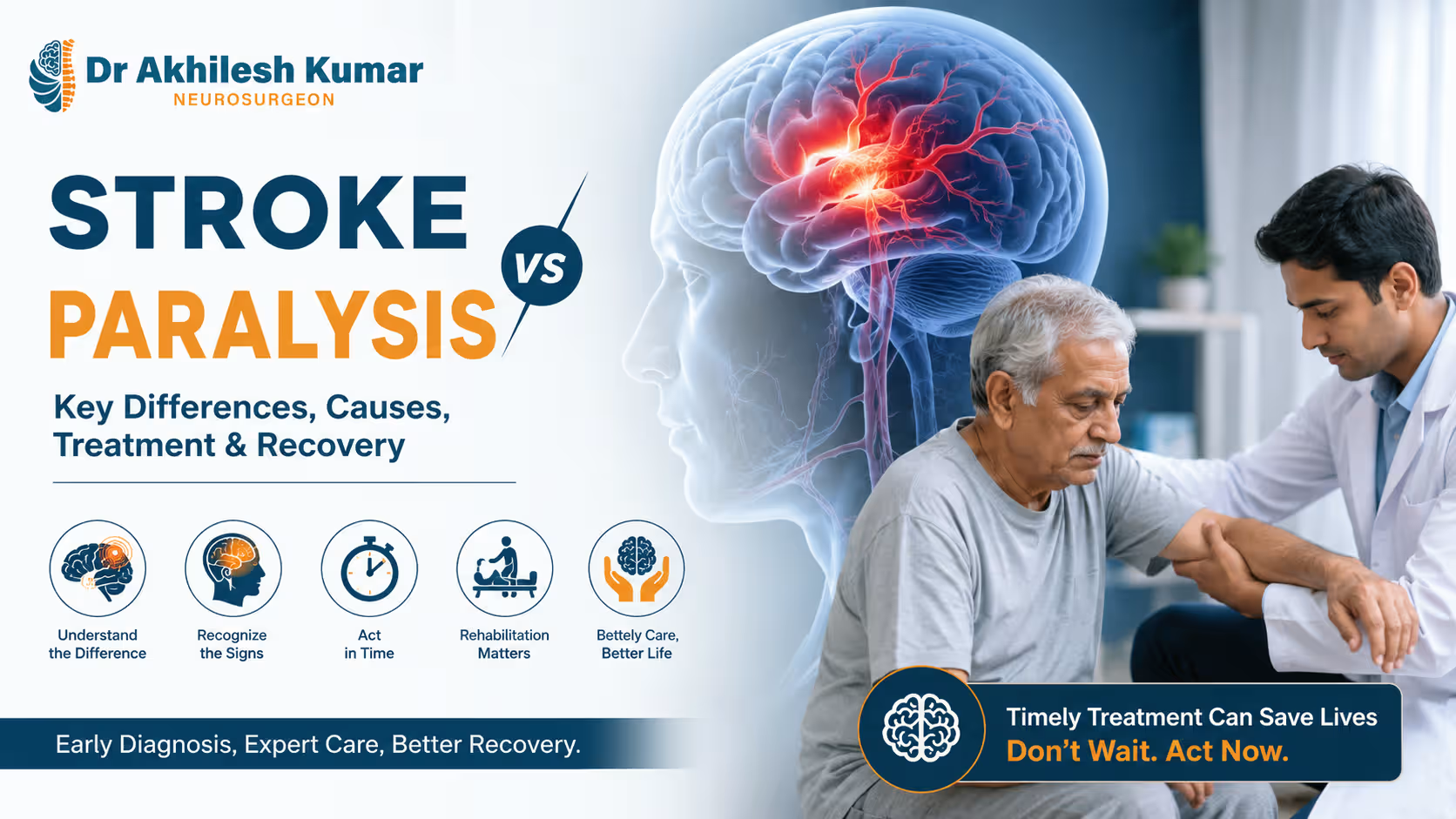
When a medical emergency involves sudden loss of movement or speech, the terms “stroke” and “paralysis” are often used interchangeably by the general public. However, from a medical perspective, these are two distinct concepts that are closely related but not identical.
“Stroke and paralysis are not the same condition. A stroke occurs when blood flow to the brain is interrupted, while paralysis refers to the loss of muscle movement in part of the body. Stroke can cause paralysis, but paralysis can also occur due to other neurological conditions like spinal cord injuries or tumors.”
Understanding the nuances between these two is critical for early diagnosis, effective treatment, and successful rehabilitation.
Introduction
In the realm of neurological health, confusion often leads to delayed action. Many people believe that paralysis is simply another word for a stroke. In reality, a stroke is a medical event (the “cause”), while paralysis is a condition or symptom (the “effect”) that often follows that event.
With the rising global incidence of neurological disorders, the importance of recognizing symptoms early cannot be overstated. A delay of even a few minutes can mean the difference between a full recovery and a lifelong disability. Modern medicine, led by experts like Dr Akhilesh Kumar, has made significant strides in treating these conditions. Immediate intervention can save millions of neurons, preserving brain function and physical mobility.
This guide aims to demystify these terms, explore their connection, and provide a roadmap for recovery and prevention.
What Is a Stroke?
Definition of Stroke
A stroke, often called a “brain attack,” occurs when the blood supply to part of the brain is interrupted or reduced. This deprives brain tissue of oxygen and nutrients. Within minutes, brain cells begin to die. Because the brain controls every function of the body, a stroke is a life-threatening emergency.
How a Stroke Affects the Brain
The brain is the body’s control center. Different areas of the brain control different functions—movement, speech, memory, and emotion. When a stroke occurs, the part of the body controlled by the damaged brain region cannot function properly. For example, if a stroke damages the right motor cortex, the left side of the body may lose the ability to move.
Types of Stroke
Not all strokes are the same. Understanding the type is vital for determining the correct stroke treatment.
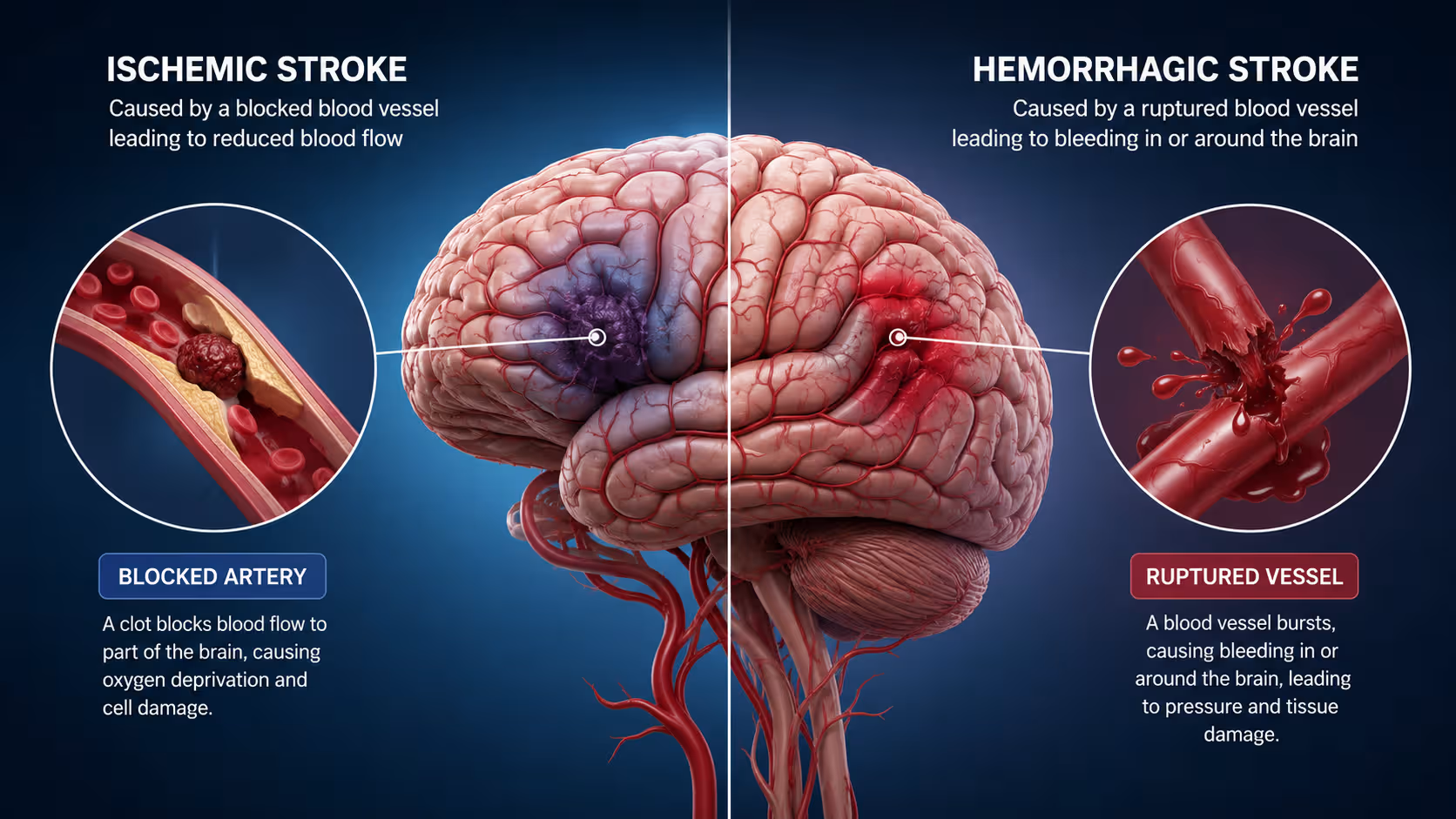
Ischemic Stroke
This is the most common type, accounting for about 87% of all cases. It occurs when a blood clot (thrombus or embolus) blocks an artery leading to the brain. High blood pressure and cholesterol are major risk factors.
Hemorrhagic Stroke
This occurs when a blood vessel in the brain leaks or ruptures. This causes bleeding into or around the brain, creating pressure and damaging cells. Uncontrolled hypertension and aneurysms are common causes.
Transient Ischemic Attack (TIA)
Often called a “ministroke,” a TIA is a temporary blockage of blood flow. Symptoms last for a short time (minutes to hours) and then disappear. While it doesn’t cause permanent damage, it is a major warning sign of a future massive stroke.
What Is Paralysis?
Definition of Paralysis
Paralysis is the loss of the ability to move one or more muscles. It may also be accompanied by a loss of feeling (sensory loss) in the affected area. It happens when there is a failure in the communication system between the brain and the muscles.
How Paralysis Affects the Body
Movement is a complex process involving the brain, the spinal cord, and the nerves. If any part of this “wiring” is damaged, the signal to move a muscle cannot reach its destination. This results in the muscle becoming limp (flaccid paralysis) or stiff and spasming (spastic paralysis).
Temporary vs Permanent Paralysis
Paralysis is not always forever. Some forms, such as Bell’s Palsy or certain stroke-related weaknesses, can be temporary with the right paralysis treatment. However, if the nerve damage or brain cell death is extensive, the paralysis may be permanent.
Different Forms of Paralysis
The extent of paralysis depends on where the damage occurred.
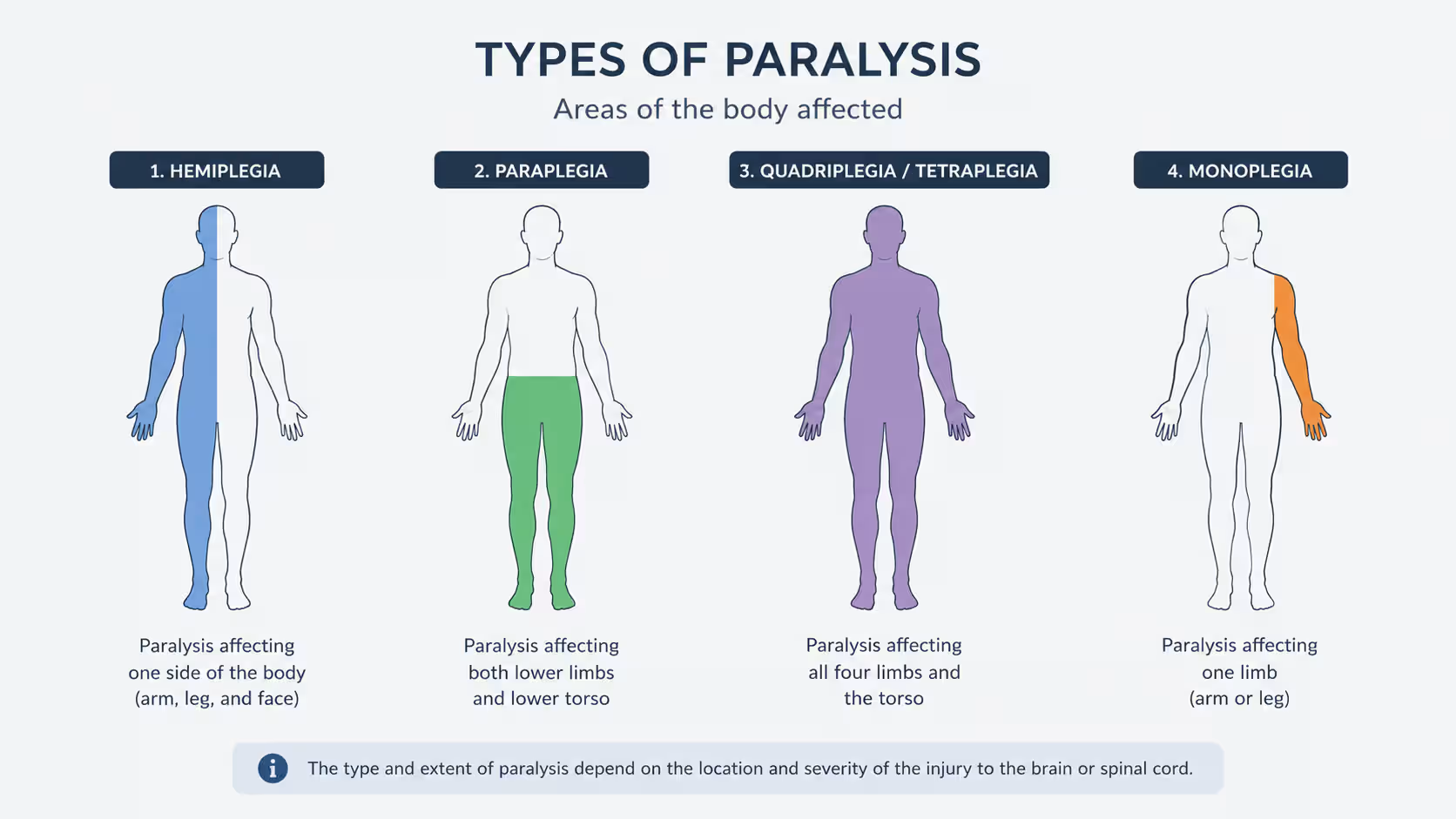
Monoplegia
Paralysis that affects only one limb (e.g., just the left arm).
Hemiplegia
Paralysis affecting one side of the body (e.g., the left arm and left leg). This is the most common form seen after a stroke.
Paraplegia
Paralysis that affects the lower half of the body, usually both legs, often resulting from spinal cord injuries.
Quadriplegia (Tetraplegia)
Paralysis of all four limbs and the torso.
Stroke vs Paralysis: Understanding the Key Differences
To better understand these concepts, let’s look at how they compare side-by-side.
| Feature | Stroke | Paralysis |
| Definition | A medical emergency where blood flow to the brain is cut off. | The loss of muscle function in part of the body. |
| Cause | Blood clots or ruptured blood vessels in the brain. | Stroke, spinal injury, nerve damage, or neurological diseases. |
| Symptoms | Sudden numbness, confusion, trouble speaking, and vision loss. | Inability to move limbs, loss of sensation, and muscle weakness. |
| Body Areas Affected | Primarily, the brain (which then affects the body). | Can be localized (one limb) or widespread (full body). |
| Treatment | Clot-busters, surgery, and immediate medical intervention. | Physical therapy, assistive devices, surgery, and nerve stimulation. |
| Recovery Potential | High if treated within the “Golden Hour.” | Varies based on the cause and extent of nerve damage. |
Understanding the Comparison
As the table illustrates, a stroke is the mechanism of injury, whereas paralysis is a functional loss. You can have paralysis without having a stroke (e.g., from a car accident injuring the spine), but many people who have a stroke will experience some degree of paralysis.
Can a Stroke Cause Paralysis?
Yes, paralysis is one of the most common complications of a stroke.
Why Paralysis Happens After a Stroke
When the brain’s “motor strips” are damaged by a lack of oxygen, they can no longer send signals through the spinal cord to the muscles. The muscles themselves are usually healthy, but they aren’t receiving the “instruction” to move.
Which Side of the Body Gets Affected?
The brain is cross-wired. The right hemisphere controls the left side of the body, and the left hemisphere controls the right. Therefore, a stroke in the right side of the brain results in hemiplegia on the left side of the body.
Brain Damage and Muscle Control
The severity of paralysis depends on the size of the stroke. A small “lacunar” stroke might only cause slight weakness in a hand, while a large “middle cerebral artery” stroke can lead to complete paralysis of one side of the body and face.
Factors Affecting Severity
Factors include:
-
Time to treatment: Faster treatment reduces brain tissue death.
-
Location: Strokes in the brainstem can be particularly devastating.
-
Age and Health: Younger patients with fewer co-morbidities often have better resilience.
Common Symptoms of Stroke You Should Never Ignore
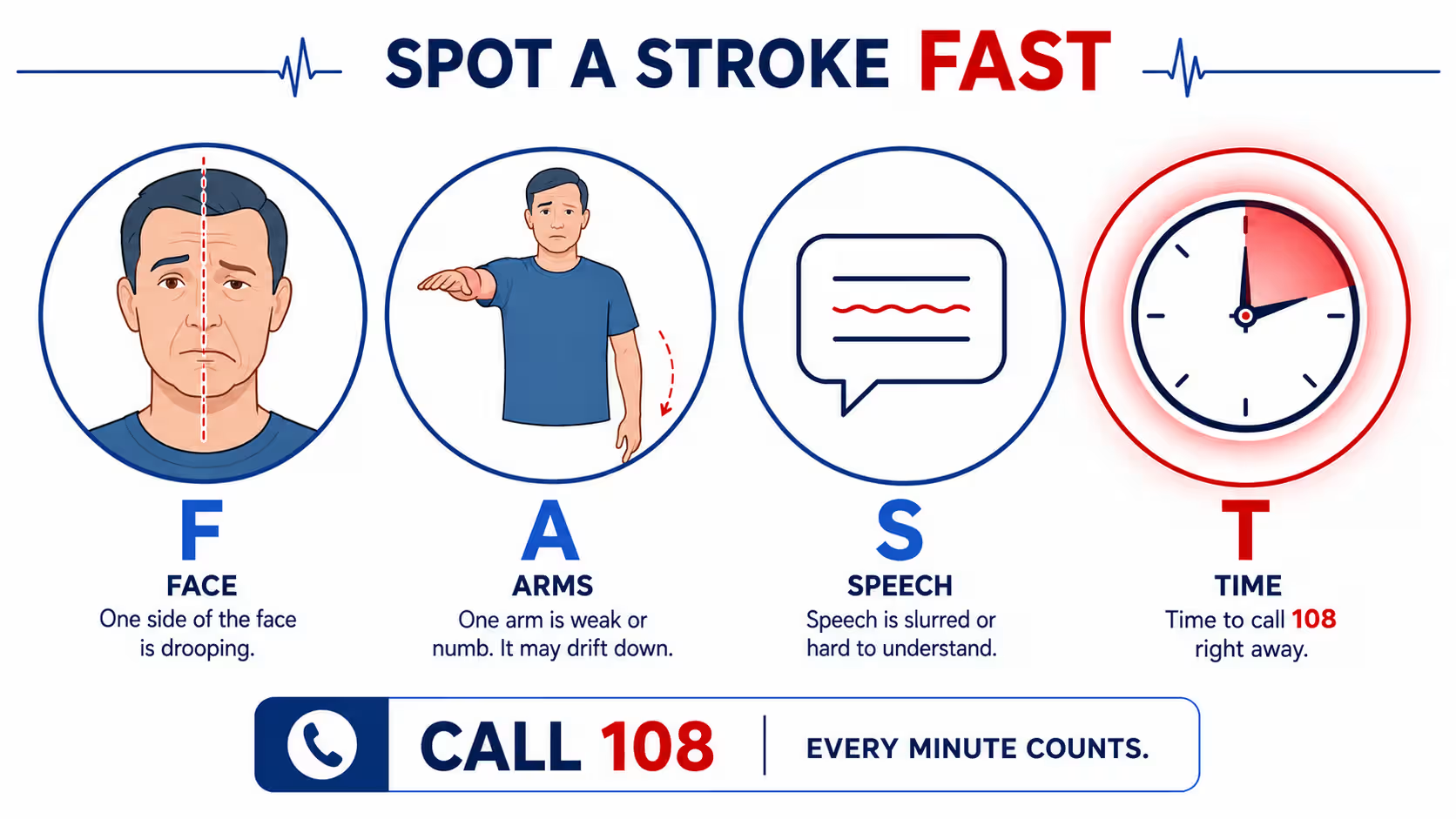
Recognizing brain stroke symptoms can save a life. Use the FAST method:
-
F (Face): Ask the person to smile. Does one side of the face droop?
-
A (Arms): Ask them to raise both arms. Does one arm drift downward?
-
S (Speech): Is their speech slurred or strange?
-
T (Time): If you see these signs, call emergency services immediately.
Other Critical Symptoms
-
Sudden Weakness: Especially on one side.
-
Facial Drooping: A sudden “slack” look to the mouth or eye.
-
Difficulty Speaking: Trouble finding words or understanding others.
-
Loss of Balance: Sudden dizziness or lack of coordination.
-
Vision Changes: Sudden blurring or loss of vision in one or both eyes.
-
Severe Headache: A “thunderclap” headache with no known cause.
Common Causes of Paralysis
While stroke is a leading cause, it is not the only one. Paralysis causes include:
-
Stroke: The leading cause of long-term adult disability.
-
Spinal Cord Injury: Trauma from falls or accidents.
-
Brain Tumors: Growth that presses on motor control centers.
-
Multiple Sclerosis: An autoimmune disease that attacks nerve coverings.
-
Neurological Disorders: Conditions like ALS or Guillain-Barré Syndrome.
-
Infections and Trauma: Meningitis or severe head injuries.
Can Stroke-Related Paralysis Be Reversed?
This is the question every patient and family asks. The short answer is: Often, yes.
The Importance of Early Treatment
The “Golden Hour” refers to the first 60 minutes after symptoms begin. If a patient receives medical care within this window, doctors can use thrombolytic (clot-busting) drugs to restore blood flow, potentially preventing paralysis entirely.
Brain Plasticity and Recovery
The human brain is remarkable. Through a process called neuroplasticity, the brain can “rewire” itself. Healthy areas of the brain can learn to take over functions previously handled by the damaged areas. This is the foundation of stroke recovery.
Rehabilitation and Physiotherapy
Recovery doesn’t happen by sitting still. Intense physical therapy forces the brain to create new neural pathways. By repeatedly attempting movements, the patient “re-teaches” the brain how to control the body.
Factors That Influence Recovery
-
The extent of the initial brain damage.
-
The patient’s motivation and participation in therapy.
-
Access to an expert Stroke Specialist in Lucknow.
-
The presence of secondary health issues like diabetes or heart disease.
Treatment Options for Stroke
Emergency Stroke Treatment
Emergency care focuses on stopping the stroke as it happens.
-
Clot-Busting Medications: tPA (Tissue Plasminogen Activator) can dissolve clots if given within 3 to 4.5 hours.
-
Mechanical Thrombectomy: A procedure where a surgeon, such as a Best Brain Surgeon in Lucknow, uses a catheter to physically remove a large clot from the brain.
-
Surgery for Certain Stroke Cases: In hemorrhagic strokes, surgery may be needed to repair a burst vessel or relieve pressure on the brain.
-
Long-Term Medical Management: Using blood thinners, statins, and blood pressure medication to prevent a second stroke.
Treatment Options for Paralysis
Paralysis treatment is focused on rehabilitation and adaptation.
-
Physiotherapy: Exercises to improve muscle tone, strength, and range of motion.
-
Occupational Therapy: Helping patients relearn daily tasks like dressing, eating, and writing.
-
Speech Therapy: Essential for those whose stroke affected their ability to swallow or speak.
-
Assistive Devices: Using walkers, wheelchairs, or orthotic braces to maintain independence.
-
Surgical Interventions: Nerve transfers or tendon releases in chronic cases.
-
Psychological Support: Dealing with the emotional impact of a loss of mobility.
Stroke Recovery Timeline: What Patients Can Expect
Recovery is a marathon, not a sprint.
| Recovery Period | What Happens |
| First 24 Hours | Focus on stabilization, preventing further brain damage, and determining the stroke cause. |
| First Week | Early mobilization (sitting up, moving in bed) and assessments by therapists. |
| First Month | Intense rehabilitation begins. This is the period of the most rapid natural recovery. |
| 3 Months | Many patients see significant gains in walking and basic self-care. |
| 6 Months | Progress may slow, but steady gains continue with consistent therapy. |
| 1 Year and Beyond | Long-term management. Focus on fine motor skills and community reintegration. |
Rehabilitation After Stroke: Step-by-Step Recovery
Stroke rehabilitation is a multidisciplinary effort.
-
Regaining Muscle Strength: Starting with passive movements (therapist moves the limb) and progressing to active resistance.
-
Improving Balance: Using specialized equipment to prevent falls and improve gait.
-
Speech and Communication Recovery: Re-learning word formation and using communication aids if necessary.
-
Daily Activity Training: Adapting the home environment to ensure safety and autonomy.
-
Emotional Recovery: Addressing post-stroke depression, which affects nearly 1/3 of survivors.
Can Stroke Be Prevented?
Prevention is always better than cure. 80% of strokes are preventable through lifestyle changes:
-
Blood Pressure Control: The #1 risk factor for stroke.
-
Diabetes Management: High blood sugar damages blood vessels over time.
-
Healthy Diet: Focus on fruits, vegetables, and low-salt intake.
-
Physical Activity: At least 30 minutes of moderate exercise five days a week.
-
Smoking Cessation: Smoking doubles your risk of an ischemic stroke.
-
Regular Health Checkups: To monitor cholesterol and heart rhythm (AFib).
Myths and Facts About Stroke and Paralysis
-
Myth 1: Stroke and Paralysis Are the Same Thing.
-
Fact: A stroke is a brain event; paralysis is a symptom that can result from a stroke or other injuries.
-
-
Myth 2: Paralysis Always Means Permanent Disability.
-
Fact: Many people regain significant movement through neuroplasticity and dedicated stroke recovery programs.
-
-
Myth 3: Young People Cannot Have a Stroke.
-
Fact: While more common in seniors, strokes can affect children, young adults, and even infants.
-
-
Myth 4: Recovery Stops After a Few Months.
-
Fact: While the fastest progress happens early, the brain can continue to adapt for years.
-
-
Myth 5: Stroke Symptoms Always Cause Pain.
-
Fact: Most strokes are painless. The primary signs are weakness and confusion, not pain.
-
-
Myth 6: Nothing Can Be Done After Paralysis Develops.
-
Fact: Modern paralysis treatment and assistive technologies allow many patients to lead fulfilling, active lives.
-
When Should You See a Neurologist or Neurosurgeon?
If you notice any of the following, seek professional help immediately:
-
Sudden Weakness or Numbness: Even if it goes away (which could be a TIA).
-
Recurrent Headaches: Chronic, severe headaches shouldn’t be ignored. If you are seeking specialized Migraine Treatment in Lucknow, it is vital to ensure these aren’t symptoms of vascular issues.
-
Speech Difficulties: Struggling to find words or slurring.
-
Balance Problems: Unexplained dizziness or frequent stumbles.
-
Recovery Concerns After Stroke: If a loved one is not meeting recovery milestones.
Consulting an expert like Dr Akhilesh Kumar ensures that you receive a precise diagnosis. As the Best Brain Surgeon in Lucknow, Dr. Kumar offers advanced surgical and medical interventions tailored to the specific needs of neurological patients.
Final Thoughts
Stroke and paralysis are complex, life-altering conditions, but they are not a “dead end.” While they are different—one being a cause and the other an effect—they both demand immediate medical attention and long-term commitment to recovery.
Early diagnosis by an experienced team can dramatically improve outcomes. With the help of specialists like Dr Akhilesh Kumar, recognized as a Best Brain Surgeon in Lucknow, patients can access the latest treatments to mitigate brain damage and maximize their chances of regaining independence. Whether it is through emergency intervention or specialized Migraine Treatment in Lucknow to manage related neurological issues, timely care is the key to a better quality of life.
FAQs (Frequently Asked Questions)
1. What is the difference between stroke and paralysis?
A stroke is a loss of blood flow to the brain, while paralysis is the loss of muscle function. Stroke is one of the leading causes of paralysis.
2. Can paralysis after a stroke be reversed?
In many cases, yes. Through early medical intervention and intensive rehabilitation, the brain can rewire itself to regain control over paralyzed muscles.
3. How quickly should stroke treatment begin?
Treatment should begin immediately. The “Golden Hour” is the first 60 minutes, and the effectiveness of many treatments drops significantly after 3 to 4.5 hours.
4. What are the first warning signs of a stroke?
Think FAST: Facial drooping, Arm weakness, Speech difficulty, and Time to call for help.
5. Is paralysis always permanent?
No. Depending on the cause and the speed of treatment, paralysis can be temporary or significantly improved with therapy.
6. Which type of stroke is most common?
Ischemic stroke, caused by a blood clot, is the most common, accounting for nearly 90% of cases.
7. How long does stroke recovery take?
The timeline varies for everyone. Significant progress often occurs in the first 3-6 months, but recovery can continue for years.
8. Can young adults suffer from a stroke?
Yes. Risk factors like sedentary lifestyle, smoking, and underlying heart conditions are increasing stroke rates in younger populations.
9. What therapy helps paralysis recovery?
Physiotherapy, occupational therapy, and speech therapy are the primary forms of rehabilitation.
10. When should I consult a stroke specialist?
Immediately if you suspect a stroke, or as soon as possible for rehabilitation planning and to prevent a recurrence.
CTA
Stroke is a medical emergency, while paralysis is often a symptom of underlying neurological damage. Understanding the difference can help patients seek treatment quickly and improve recovery outcomes.
If you or a loved one experiences stroke symptoms, weakness, numbness, or paralysis, consult Dr Akhilesh Kumar for expert neurological evaluation. Early diagnosis by an experienced Stroke Specialist in Lucknow can make a significant difference in treatment success and long-term recovery. Don’t wait—timely action is your best defense against neurological disability.
