
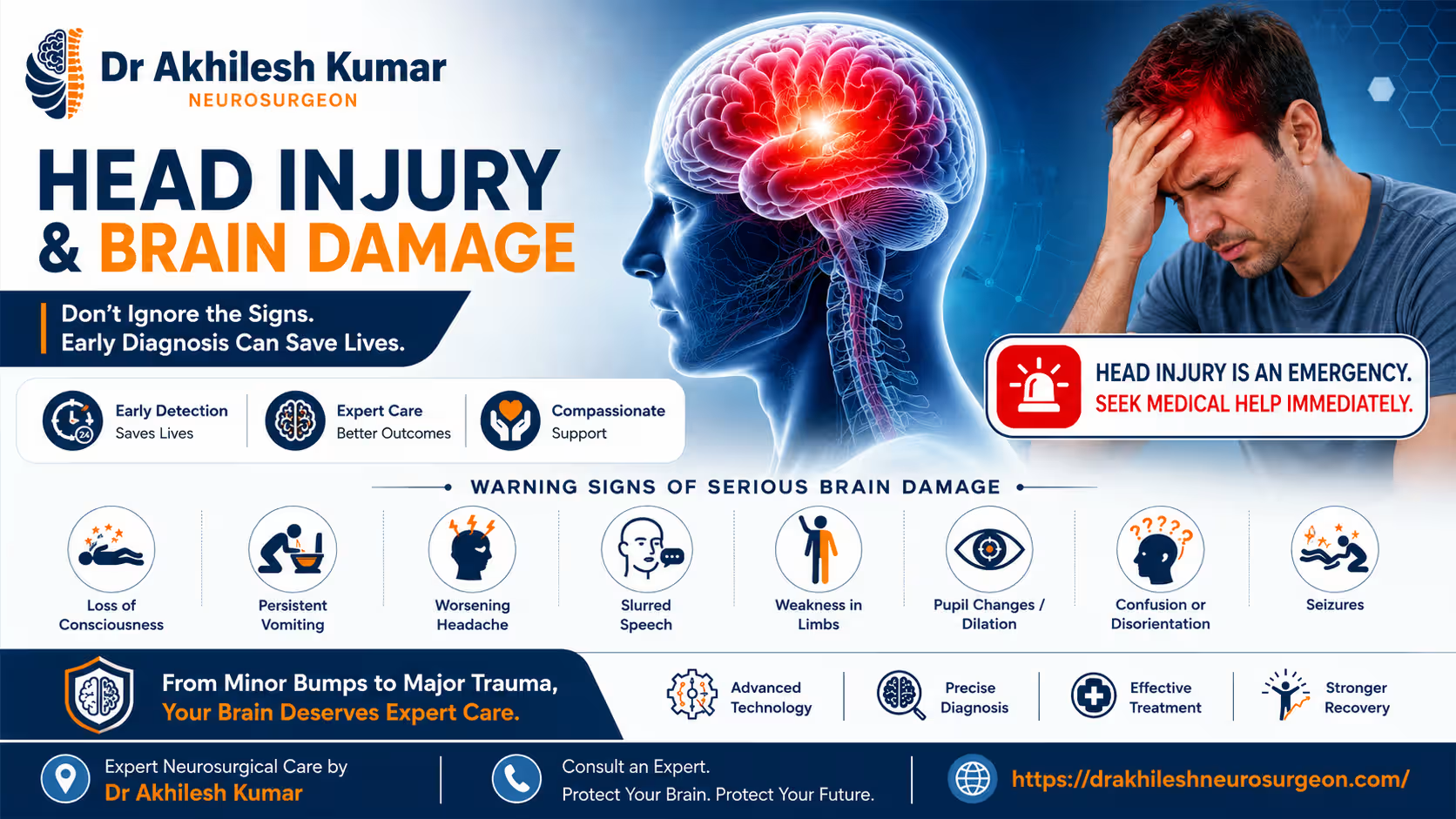
A head injury is one of the most deceptive medical conditions a person can face. Unlike a broken arm or a visible cut, an injury to the head often hides its true severity beneath the surface. You might trip, hit your head, and feel perfectly fine for an hour, only to collapse shortly after due to internal complications. This “silent” nature of brain trauma is why medical professionals like Dr Akhilesh Kumar emphasize that no head injury should ever be ignored.
Signs of serious brain damage after a head injury include loss of consciousness, persistent vomiting, worsening headaches, seizures, slurred speech, and weakness in limbs. If you experience confusion or pupil dilation changes, seek emergency medical evaluation immediately to prevent long-term complications.
What Is a Head Injury? Causes, Symptoms & Treatment
Understanding Head Injuries
A head injury is a broad term that describes any trauma to the scalp, skull, or brain. These injuries range from a simple bruise on the forehead to a devastating “closed head injury” where the brain is shaken violently inside the skull. Because the brain is floating in cerebrospinal fluid within a hard bony structure, sudden acceleration or deceleration can cause the brain to bounce against the skull walls, leading to bruising, torn tissues, and bleeding.
How Head Injuries Affect the Brain
The brain controls every function of our body—from the rhythm of our heart to the memories of our childhood. When a head injury occurs, the physical impact can disrupt the delicate electrochemical signals between neurons. In more severe cases, the blood vessels may rupture, leading to a hematoma (a collection of blood) that puts pressure on the brain tissue. This pressure can cut off oxygen supply, leading to cell death and potential brain damage.
Mild, Moderate, and Severe Head Injuries
Medical professionals categorize head injuries based on their severity:
-
Mild Head Injury: Usually involves a brief change in mental status or consciousness. Concussions fall into this category.
-
Moderate Head Injury: May involve a loss of consciousness lasting from a few minutes to a few hours, followed by days or weeks of confusion.
-
Severe Head Injury: Often involves prolonged unconsciousness or coma and carries a high risk of permanent disability.
Why Early Diagnosis Matters
Time is the most critical factor in neurosurgery. Early diagnosis allows doctors to manage intracranial pressure, stop internal bleeding, and prevent secondary brain damage. Dr Akhilesh Kumar often notes that the first “golden hour” after an injury is crucial for determining the long-term outcome of the patient.
Head Injury vs. Brain Injury: What’s the Difference?
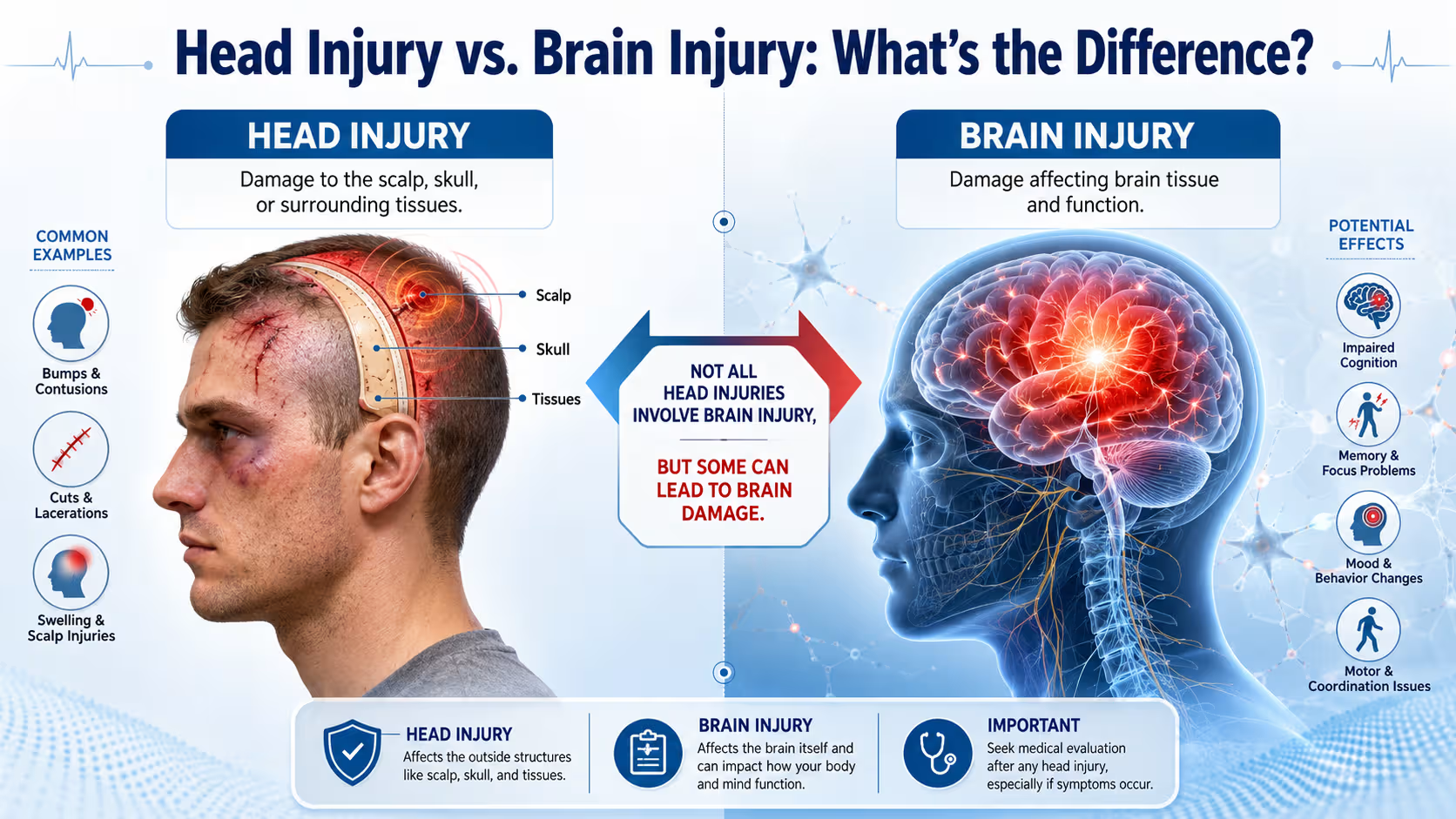
While the terms are often used interchangeably, there is a distinct medical difference between the two.
What Is a Head Injury?
A head injury refers to any trauma to the head, including the external structures. This includes scalp lacerations, a “goose egg” bump, or a fractured jaw. A head injury does not always involve the brain.
What Is a Brain Injury?
A brain injury, specifically a Traumatic Brain Injury (TBI), occurs when the forces of the impact are strong enough to affect the internal brain tissue. A person can have a severe brain injury without any visible marks on their scalp.
Can a Head Injury Cause Brain Damage?
Yes. A significant impact can cause the brain to swell or bleed. Because the skull is a fixed space, any extra volume (like blood or swelling) compresses the brain. This compression is what leads to permanent brain damage.
Key Differences Patients Should Know
| Feature | Head Injury | Brain Injury (TBI) |
| Location | Scalp, skull, face | Brain tissue, nerves, and blood vessels |
| Visibility | Often visible (cuts, bruises) | Often “invisible” on the outside |
| Symptoms | Localized pain, bleeding | Confusion, memory loss, seizures |
| Risk | Usually low, unless fractured | High risk of permanent disability |
| Diagnosis | Physical exam | CT Scan, MRI, Neurological testing |
Types of Head Injuries You Should Know
Understanding the specific type of injury can help in predicting the necessary treatment and recovery path.
1. Concussion
The most common type of TBI, a concussion, is caused by a sudden “jolt” to the head. While often called “minor,” repeated concussions can lead to long-term cognitive issues.
2. Skull Fracture
This is a break in the cranial bone. While the bone itself will heal, the danger lies in the possibility of bone fragments piercing the brain or the risk of infection if the skin is broken.
3. Contusion (Brain Bruise)
A contusion is an actual bruise on the brain tissue. This often occurs at the site of impact or on the opposite side of the brain (known as a coup-contrecoup injury) as the brain bounces back and forth.
4. Hematoma
A hematoma is a collection of blood outside of blood vessels. In the brain, this can be an Epidural Hematoma (between the skull and the brain’s outer lining) or a Subdural Hematoma (between the brain and its lining). These are surgical emergencies.
5. Diffuse Axonal Injury (DAI)
This occurs when the brain’s long connecting nerve fibers (axons) are torn as the brain shifts and rotates inside the skull. DAI is one of the most dangerous types of head injuries and often leads to a coma.
6. Penetrating Head Injury
This occurs when an object (like a bullet or a sharp fragment) pierces the skull and enters the brain tissue. These are highly localized but extremely severe injuries.
Common Causes of Head Injuries in Adults and Children
The risk of head injuries varies significantly by age and lifestyle.
-
Road Traffic Accidents: The leading cause of severe TBI. High-speed collisions, especially involving motorcycles, often lead to complex brain trauma.
-
Falls: The number one cause of head injuries in children under 14 and adults over 65. Even a fall from a standing height can be fatal for an elderly person on blood thinners.
-
Sports Injuries: Contact sports like football, boxing, and even soccer are common sources of concussions.
-
Workplace Accidents: Construction sites and industrial environments pose a high risk for falling objects or falls from heights.
-
Physical Assault: Blunt force trauma from physical altercations remains a significant cause of emergency room visits.
-
Bicycle and Motorcycle Accidents: Without proper helmet use, these accidents frequently result in skull fractures and intracranial bleeding.
How Serious Is a Head Injury?
Determining the severity of a head injury isn’t always straightforward. A person might “black out” for a second and be fine, while another might stay conscious but develop a fatal brain bleed hours later.
Factors That Determine Severity
-
Force of Impact: How fast was the object moving?
-
Location of Hit: Hits to the temple or the base of the skull are often more dangerous.
-
Age: Infants and the elderly have more fragile brain structures.
-
Pre-existing Conditions: People on blood thinners (anticoagulants) are at a massive risk for internal bleeding after even a minor bump.
Why Symptoms May Not Appear Immediately
This is known as the “Talk and Die” syndrome. In some cases of internal bleeding, there is a “lucid interval” where the patient feels fine. However, as the blood accumulates, the pressure inside the skull rises, leading to a sudden and rapid decline in consciousness. This is why monitoring for 24–48 hours is mandatory after any significant head strike.
Early Signs and Symptoms of a Head Injury
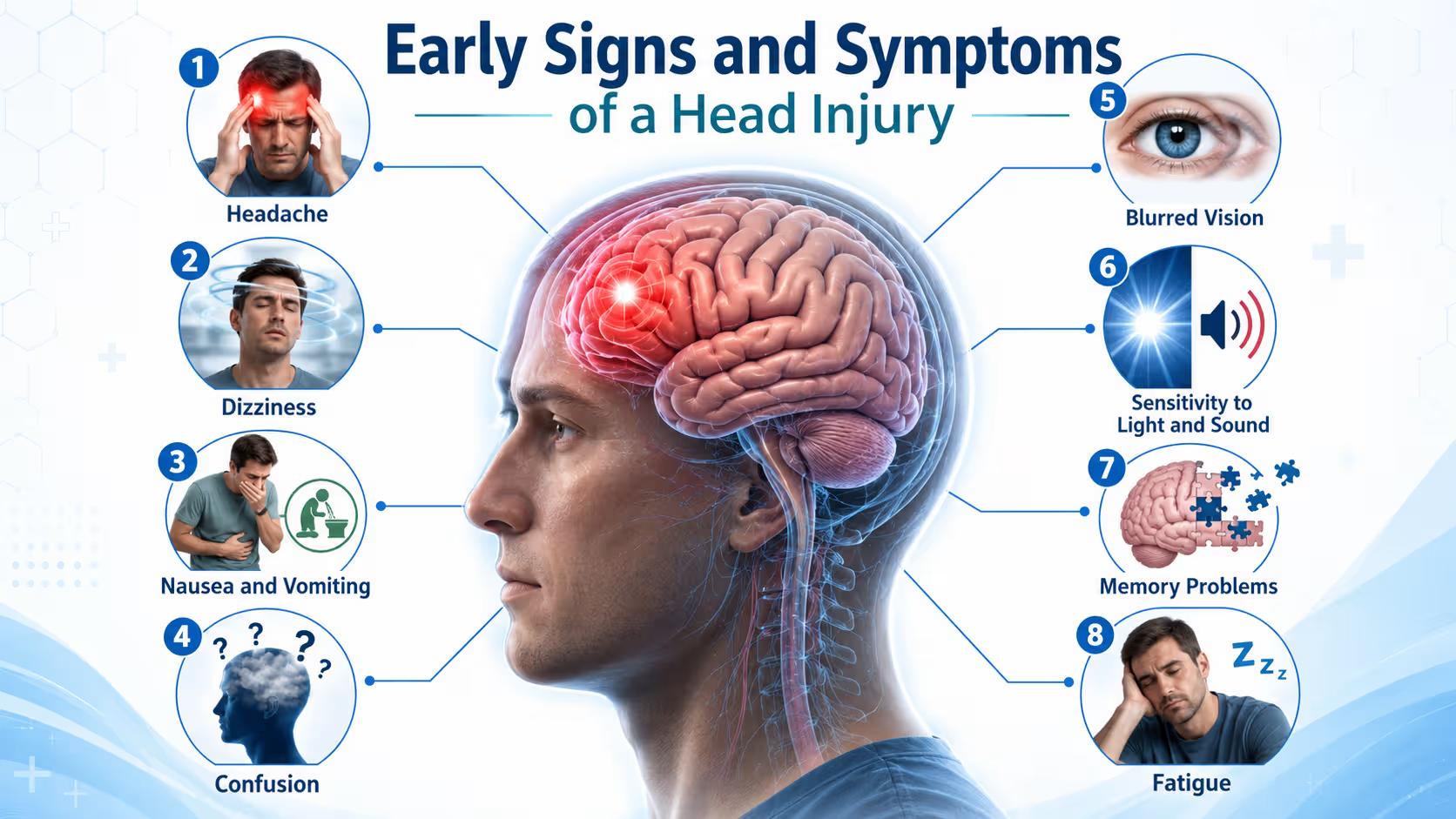
If you or a loved one hits their head, monitor for these early symptoms. While they may seem minor, they indicate that the brain has been affected.
-
Headache: The most common symptom. A mild, steady headache is expected, but it should not be ignored.
-
Dizziness: Feeling “off-balance” or like the room is spinning.
-
Nausea and Vomiting: A single episode of vomiting may occur, but repeated vomiting is a major red flag.
-
Confusion: Not knowing the date, where you are, or feeling “foggy.”
-
Blurred Vision: Difficulty focusing or seeing double.
-
Sensitivity to Light and Sound: Normal room lighting or conversation feels painfully loud or bright.
-
Memory Problems: Forgetting the events leading up to the accident (retrograde amnesia) or being unable to form new memories (anterograde amnesia).
-
Fatigue: Feeling an overwhelming urge to sleep.
Red Flag Symptoms After a Head Injury
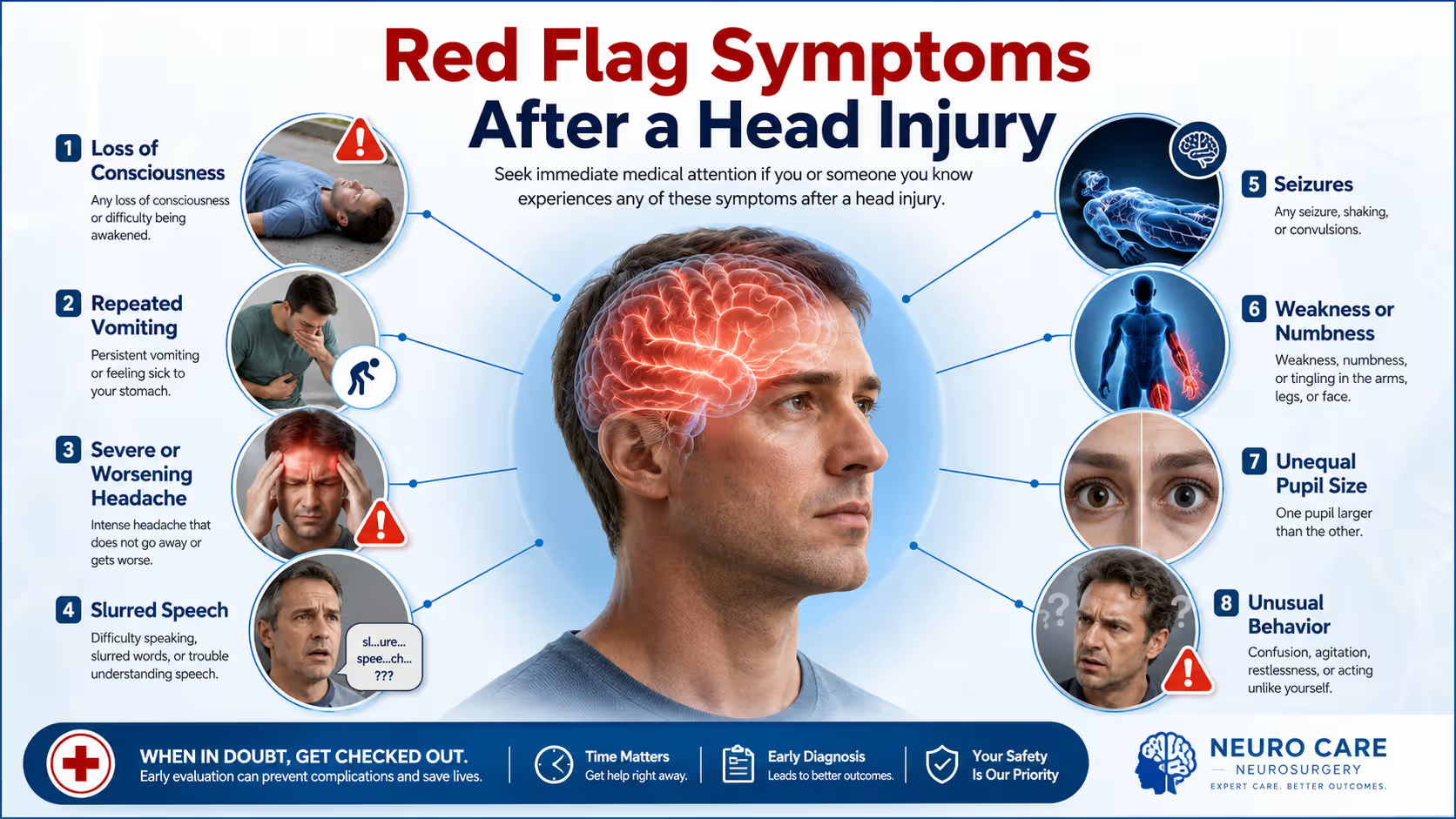
If any of the following “Red Flag” symptoms appear, you must seek immediate help from the Best Neurosurgeon in Lucknow. These signs indicate that the brain is under significant stress or is actively being damaged.
-
Loss of Consciousness: Even if it only lasted for a few seconds.
-
Repeated Vomiting: This suggests increased intracranial pressure.
-
Severe or Worsening Headache: A headache that gets worse instead of better with rest.
-
Slurred Speech: Difficulty forming words or talking nonsense.
-
Seizures: Any twitching, fitting, or “blanking out” episodes.
-
Weakness or Numbness: Inability to move an arm or leg, or a “pins and needles” sensation.
-
Unequal Pupil Size: One pupil (the black part of the eye) is significantly larger than the other.
-
Unusual Behavior: Sudden aggression, agitation, or crying for no apparent reason.
Signs of Internal Bleeding After a Head Injury
Internal bleeding, or intracranial hemorrhage, is a medical emergency that requires the expertise of the Brain Surgeon in Lucknow.
What Is a Brain Hemorrhage?
When a blood vessel in the brain bursts, blood spills into the surrounding tissue or the space between the brain and the skull. Because the skull cannot expand, this blood compresses the brain, potentially causing a stroke or brain death.
Warning Signs Chart: Internal Bleeding
| Symptom | Why it Happens | Urgency |
| Dilated Pupils | Pressure on the cranial nerves | EMERGENCY |
| Extreme Drowsiness | The brain is losing oxygen/blood flow | EMERGENCY |
| Weakness on One Side | Bleeding is affecting the motor cortex | EMERGENCY |
| Projectile Vomiting | Extreme pressure on the brain stem | EMERGENCY |
| Low Heart Rate/High BP | The “Cushing Triad” response | CRITICAL |
When Should You Go to the Hospital After a Head Injury?
It is always better to be safe than sorry. However, certain situations demand an immediate trip to the emergency room.
Immediate Emergency Situations
-
The person is unconscious or cannot be fully woken up.
-
The person is having a seizure.
-
There is a visible deformity in the skull or a penetrating wound.
-
Clear fluid or blood is leaking from the nose or ears (this may be cerebrospinal fluid).
Head Injuries in Children
Children cannot always communicate how they feel. Look for:
-
Inconsolable crying.
-
Refusal to nurse or eat.
-
Changes in sleep patterns.
-
Loss of interest in favorite toys.
-
Bulging soft spot (fontanelle) in infants.
Head Injuries in Older Adults
Older adults are at higher risk for “Chronic Subdural Hematomas,” where a slow bleed occurs over weeks. If an elderly person becomes increasingly confused or loses balance weeks after a fall, they need a neurosurgical evaluation immediately.
How Doctors Diagnose Serious Head Injuries
When you arrive at the hospital, doctors will use several tools to assess the damage.
-
Glasgow Coma Scale (GCS): A 15-point scale used to check a patient’s level of consciousness based on eye, verbal, and motor responses.
-
CT Scan: The “gold standard” for emergency head injuries. It quickly shows bone fractures and fresh blood.
-
MRI Scan: Used later to see more detailed images of brain tissue and old bleeds.
-
Neurological Exam: Testing reflexes, balance, and vision.
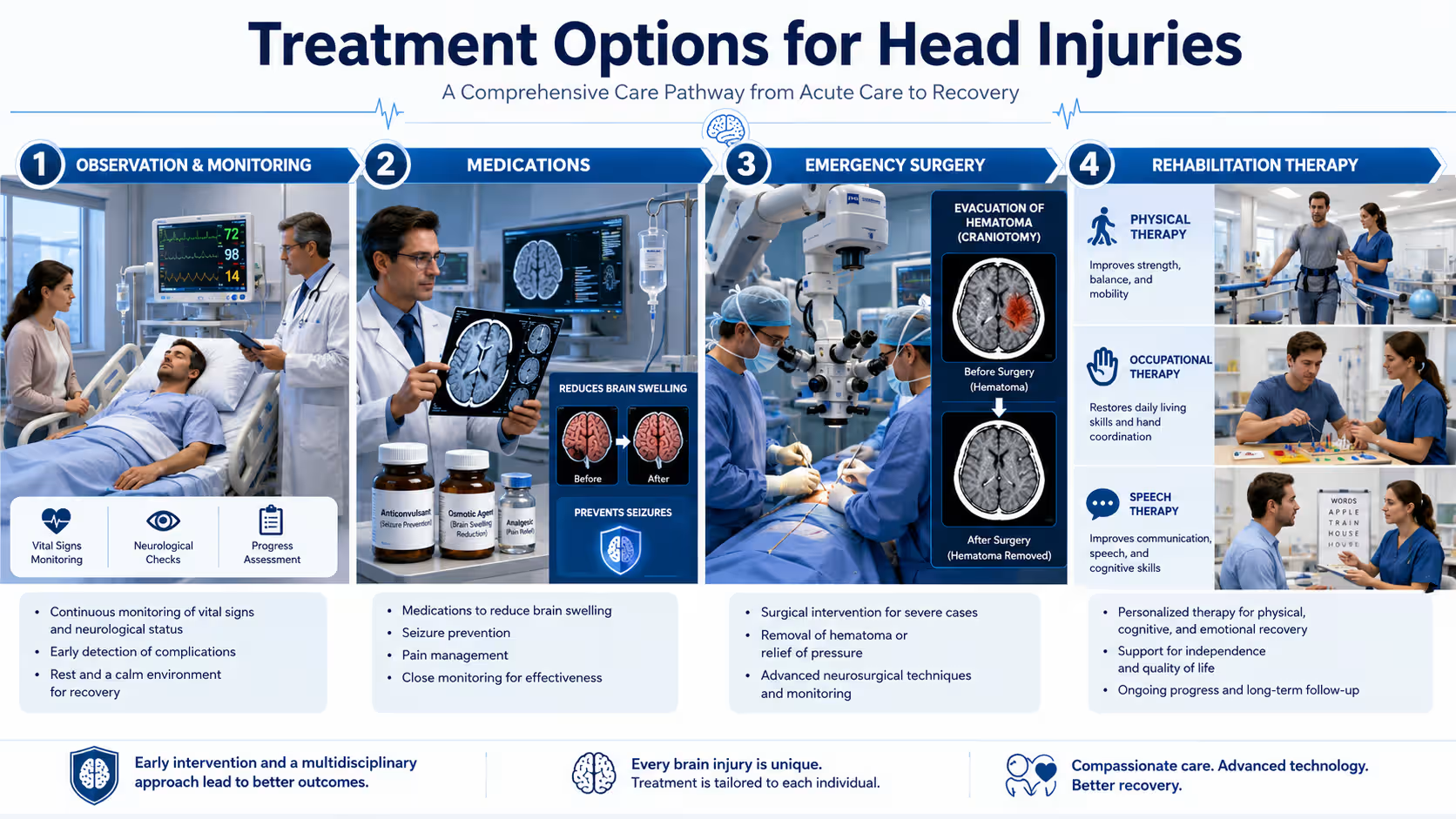
Treatment Options for Head Injuries
Treatment depends entirely on the severity of the injury.
-
Observation and Monitoring: For mild concussions, rest and 24-hour observation at home are usually sufficient.
-
Medications: Diuretics to reduce brain swelling and anti-seizure medications to prevent convulsions.
-
Emergency Surgery: If there is a large hematoma, a neurosurgeon may perform a craniotomy (opening the skull) to remove the blood and relieve pressure.
-
Rehabilitation Therapy: Physical, occupational, and speech therapy are often required to help the brain “re-wire” itself after an injury.
How Long Do Head Injury Symptoms Last?
The recovery timeline is highly individual.
-
Mild Concussion: Most people feel better within 7 to 10 days, though some symptoms, like headaches, may linger for a month.
-
Moderate Injury: Recovery can take 3 to 6 months.
-
Severe Injury: This often requires years of rehabilitation, and some deficits may be permanent.
-
Post-Concussion Syndrome: Some patients experience headaches, dizziness, and cognitive fogginess for months after the initial injury.
Can a Head Injury Cause Permanent Brain Damage?
Unfortunately, yes. When brain cells die due to a lack of oxygen or physical trauma, they do not regenerate easily.
Potential Long-Term Effects:
-
Cognitive: Difficulty with memory, attention, and executive function.
-
Physical: Chronic pain, paralysis, or loss of coordination.
-
Emotional: Depression, anxiety, and sudden mood swings.
Early intervention by an expert can significantly mitigate these risks. By treating the injury before the “secondary cascade” of cell death begins, surgeons can save vital brain functions.
Preventing Serious Head Injuries
Prevention is the best “treatment” for brain damage.
-
Helmet Safety: Always wear a certified helmet when riding a bike or motorcycle.
-
Seat Belt Use: Modern cars are designed to protect the head, but only if you are buckled in.
-
Fall Prevention: Use handrails, improve lighting in homes, and remove trip hazards like loose rugs, especially for the elderly.
-
Sports Safety: Ensure coaches are trained in concussion protocols. Never return to play the same day after a head injury.
Head Injury Care and Neurosurgical Treatment in Lucknow
In a city as busy as Lucknow, road traffic accidents and falls are common. When a head injury strikes, having access to rapid, high-quality neurosurgical care is the most important factor in the patient’s outcome.
Dr Akhilesh Kumar emphasizes that rapid diagnosis is the cornerstone of treating serious head injuries. In cases of internal bleeding or brain swelling, every minute lost can mean thousands of lost brain cells. The Best Neurosurgeon in Lucknow utilizes advanced diagnostic facilities and modern surgical techniques to manage complex traumatic brain injuries.
Timely treatment doesn’t just save lives; it saves the quality of life. For those seeking the Best Brain Surgeon in Lucknow, it is essential to choose a specialist who understands both the emergency surgical needs and the long-term rehabilitative needs of a brain-injury patient. Early treatment and expert intervention significantly improve the chances of a full neurological recovery and help reduce the risk of long-term disability.
Final Thoughts
A head injury is a serious event that requires vigilance and professional medical care. From mild concussions to severe traumatic brain injuries, the spectrum of symptoms can be confusing. However, by remembering the “Red Flags”—such as loss of consciousness, repeated vomiting, and confusion—caregivers and patients can act quickly to prevent permanent damage.
The brain is the seat of who we are. Protecting it after an injury is not optional; it is essential. If you or someone you know has suffered a blow to the head, do not wait for the “perfect” symptom to appear. Internal bleeding and neurological decline can happen rapidly. Early diagnosis and specialist intervention are your best tools for a successful recovery.
FAQs
Q.What are the first signs of a serious head injury?
The first signs include a loss of consciousness (even brief), confusion about the time or place, a persistent or worsening headache, and repeated vomiting.
Q.What symptoms indicate internal bleeding in the brain?
Signs of internal bleeding (intracranial hemorrhage) include a “blown” or dilated pupil, weakness on one side of the body, extreme drowsiness, and a sudden, severe decline in mental state.
Q.When should I go to the hospital after hitting my head?
You should go to the hospital immediately if you lose consciousness, are experiencing severe pain, feel confused, have a seizure, or if the person is an infant or an elderly individual on blood thinners.
Q.Can a concussion cause permanent brain damage?
While most concussions resolve with rest, repeated concussions (Second Impact Syndrome) or a single severe concussion can lead to long-term cognitive and emotional issues.
Q.What are the danger signs after a head injury in children?
In children, watch for excessive crying that won’t stop, refusal to eat or nurse, a change in their walking or crawling, and extreme irritability or lethargy.
Q.Can symptoms appear days after a head injury?
Yes. Some conditions, like a chronic subdural hematoma, can cause symptoms to appear days or even weeks after the initial impact. This is common in elderly patients.
Q.How is a brain injury diagnosed?
Diagnosis usually involves a physical neurological exam followed by imaging tests like a CT scan to look for fractures and bleeding, or an MRI for more detailed tissue analysis.
CTA
A head injury should never be ignored, especially if symptoms worsen or new neurological signs develop. Early diagnosis can help prevent serious complications and improve recovery outcomes.
If you or a loved one has experienced a head injury and is showing concerning symptoms, consult Dr Akhilesh Kumar for expert evaluation and treatment. Timely care from an experienced Best Brain Surgeon in Lucknow can make a critical difference in recovery and long-term brain health.
